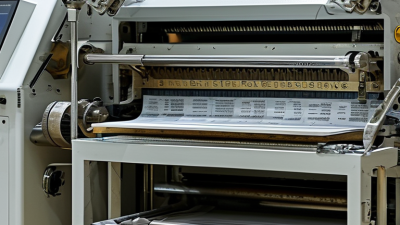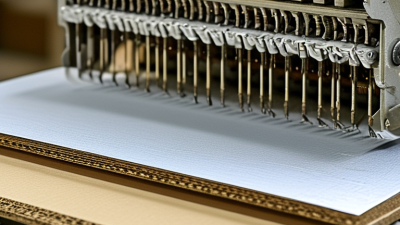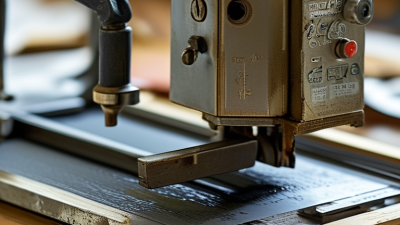
Choosing a Hot Foil Machine manufacturer is about more than comparing prices or brochure specifications. Buyers need to know how a machine performs during real production: whether foil registers cleanly, pressure stays even, and setup changes waste little material. A sample stamped on a smooth carton can look perfect. The same design may behave differently on textured stock.
Quality expert W. Edwards Deming offered a useful manufacturing principle: “Quality is everyone’s responsibility.” His words are not specific to foil stamping, but they fit the buyer’s task: assess the machine, the operator support, and the production process together. Ask manufacturers for demonstrations using your own material. Check achievable sheet size, stamping speed, temperature control, tooling compatibility, and access to spare parts. These details matter on a busy shop floor.
There is no universal best choice. A compact machine may suit short runs, while a larger automatic model can support higher-volume work. Yet specifications alone do not tell the whole story. A polished brochure can hide a difficult setup. That deserves a closer look. This guide compares manufacturers for global buyers, focusing on practical capabilities, service access, customization, and the evidence behind performance claims. Use it as a shortlist, then verify each supplier against your applications and local support needs.
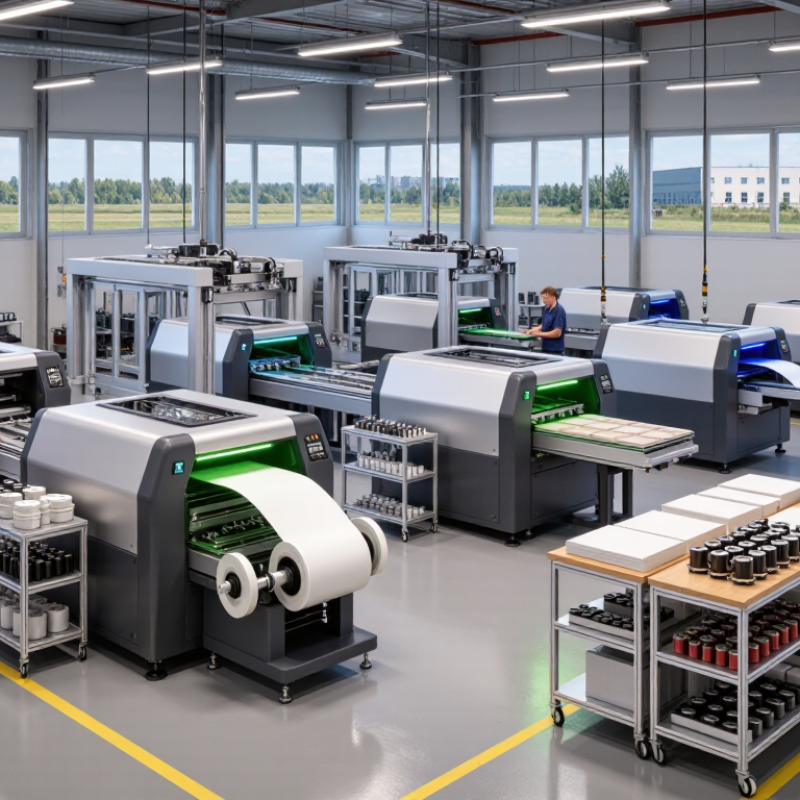
A hot foil stamping machine transfers a decorative or functional foil layer onto a surface using heat, pressure, and a shaped die. The die is heated to a controlled temperature. Foil passes between the die and the material, held by a carrier film. When the press closes, heat activates the foil’s bonding layer. Pressure attaches it where the die makes contact. The carrier film then lifts away. Simple in principle. Not always simple in practice.
Operators adjust temperature, pressure, dwell time, and alignment for each material. A paper carton may need different settings from a coated label. Too little heat can leave gaps; too much may blur edges or mark the surface. Test runs help reveal these problems before full production. Fine lettering is especially sensitive to small alignment shifts. It is tempting to reuse yesterday’s settings, but material batches and room conditions can change the result.
Tips: Start with a short test strip and adjust one setting at a time. Check foil release, edge sharpness, and surface marks under good light. Record settings that work, but treat them as a guide, not a guarantee. Keep the die clean and follow the machine’s safety instructions around heated parts and moving platens.

Hot foil machines transfer a thin metallic or pigmented film onto a surface using heat, pressure, and a patterned die. Temperature, dwell time, and pressure must work together. Too little heat can leave broken edges; too much may distort delicate stock. Small details matter.
Flatbed presses suit cartons, labels, and other sheet-fed work, especially when jobs vary in size. Rotary machines use continuous web material and can support faster, longer runs, but setup and registration require care. Roll-to-roll systems are common for films and flexible packaging, while semi-automatic presses offer a practical balance for smaller workshops. Fully automatic lines can reduce handling, yet they are not automatically the best choice.
Control systems may include digital temperature settings, pressure adjustment, and sensors for foil feed or sheet alignment. These features help operators repeat settings, but they cannot compensate for a poorly matched die, substrate, or foil. A useful test is a short production run with the actual material, checking fine text, solid areas, and foil adhesion after cooling. One assumption deserves a second look: higher speed does not always mean lower cost. Waste during setup can erase the gain. An imperfect first trial is common; record the settings and change one variable at a time.
Leading hot foil machine manufacturers distinguish themselves through repeatable control, not impressive speed claims alone. Smithers’ The Future of Global Packaging to 2028 estimates the packaging market reached $1.17 trillion in 2023 and may grow to $1.42 trillion by 2028. That scale raises the cost of inconsistent finishing. Buyers should ask for registration tolerances, foil-waste data, and sustained production results on their own stock. Ask for a live test. A clean sample matters, but so does the hundredth sheet.
Strong suppliers also explain how machines handle real production variables. A stable heating system, adjustable pressure, and accurate foil feeding help maintain crisp edges across different board thicknesses. Operators should be able to change jobs without lengthy, specialist-only adjustments. Request test results for setup time, defect rates, and energy use, then verify the measurement method. A useful reference is ISO 12647-2, which defines process-control parameters for offset printing; it does not certify foil machines, but highlights why measurable control matters. Service response, spare-part availability, and operator training deserve equal scrutiny. One detail is often overlooked: a machine that performs well in a showroom may behave differently on a busy production floor. I would want evidence from longer runs, not just a polished demonstration.
A buyer-focused view of the capabilities to assess when comparing suppliers.
How to use this chart: The points are an illustrative 100-point evaluation framework, not survey results or ratings of specific manufacturers. Adjust the weights to reflect your production needs, then assess suppliers using verifiable specifications, sample runs, service commitments, and documentation.
Global reach in hot foil machinery is not measured by export claims alone. Established manufacturers typically serve buyers through regional distributors, installation teams, and parts inventories. Production is concentrated in industrial hubs across East Asia, Europe, and South Asia, while sales networks often extend into North America and the Middle East. For a packaging converter, practical reach means more than a machine arriving at the plant. It means a technician can calibrate the foil feed, platen pressure, and registration before a production run begins. A wide network can help. It does not guarantee fast support.
Logistics matter too. UNCTAD’s Review of Maritime Transport 2024 reports that more than 80% of global trade by volume moves by sea. For heavy presses, shipping routes, port handling, and delivery schedules can affect installation costs and lead times.
Buyers should compare local service coverage, spare-part response times, operator training, and language support—not just quoted machine speed. Ask for references from installations in similar climates and production settings. A catalogue can still hide weak local support. That detail deserves scrutiny.
A useful comparison also checks whether the manufacturer can maintain consistent foil registration across different substrates, from coated paperboard to textured stock.
Hot foil machines are rarely judged by press speed alone. Buyers should compare usable sheet size, pressure consistency, registration accuracy, warm-up time, and foil changeover. Ask suppliers to run your own stock, die, and foil—not a showroom sample. Watch the first sheets closely: uneven pressure can leave pale edges, while excess heat may distort a coated surface. A polished demonstration can hide setup time. That matters.
Service and lifetime cost deserve equal scrutiny. Request written response times, parts availability, training details, and warranty exclusions. The 2024 True Cost of Downtime report estimates that unplanned downtime costs large manufacturers about 11% of annual revenue. A foil press is not the same as a factory-wide production line, but the finding underlines why repair access matters. For total cost, include tooling, energy, routine maintenance, operator hours, rejected sheets, and freight. NIST’s Life-Cycle Costing Manual treats purchase, operation, maintenance, and end-of-life expenses as part of an asset’s cost. Compare quotes over the same service period. A cheaper machine may become costly if a small sensor takes weeks to replace. One point buyers sometimes miss: service promises are only useful when response times and spare-part terms are written down.
| Evaluation Dimension | Sample Weight | What Buyers Should Check | Evidence to Request | Why It Matters to Total Cost |
|---|---|---|---|---|
| Application and machine fit | 20% | Confirm the machine suits the substrate, part size, foil type, required working area, production method, and available workspace. | Written application review; sample trial using the buyer’s material, artwork, and intended foil; documented machine specifications. | A machine that does not match the job may require process changes, additional equipment, or replacement. |
| Finished-product quality | 15% | Assess transfer consistency, registration, impression quality, temperature stability, and repeatability across the intended production run. | Trial samples; agreed acceptance criteria; inspection method; details of setup and adjustment procedures. | Inconsistent results can increase rejects, rework, setup time, and material consumption. |
| Output and production requirements | 10% | Compare the quoted cycle time and changeover requirements with the buyer’s actual product mix and production plan. | Written cycle-time assumptions, including loading, unloading, alignment, and changeover where applicable. | Realistic throughput estimates help buyers assess labor needs and production capacity without relying on headline speed alone. |
| Tooling and consumables | 10% | Check compatibility, availability, lead times, and replacement requirements for dies, foil, and other process-specific tooling or consumables. | Tooling specifications, sample tooling quotation, recommended consumables, and replenishment lead times. | Tooling and consumable costs recur over the machine’s operating life and can affect production continuity. |
| Installation, training, and service | 15% | Clarify installation responsibilities, operator and maintenance training, service response arrangements, and remote-support options. | Written scope of supply; training plan; service contact process; stated response targets and support hours. | Unclear support arrangements can add commissioning expense and extend downtime when problems occur. |
| Safety and regulatory documentation | 10% | Review guarding, emergency stops, electrical documentation, operating instructions, and the compliance requirements applicable in the destination market. | Machine risk and safety documentation; applicable declarations or certificates; electrical drawings and manuals. | Missing or unsuitable documentation may create extra work, delay installation, or prevent use in the intended market. |
| Total cost of ownership | 15% | Compare the complete delivered and operating cost—not only the quoted machine price—over the buyer’s chosen evaluation period. | Itemized quotation covering machine, options, packaging, freight, insurance, installation, training, tooling, and service terms. | TCO = purchase price + delivery and installation + tooling and consumables + energy and maintenance + downtime costs − residual value. |
| Supplier capability and documentation | 5% | Assess technical communication, specification clarity, change control, export experience, and the completeness of the handover documentation. | Final specification, agreed delivery scope, drawings where applicable, parts list, operation manual, and maintenance schedule. | Clear documentation reduces specification disputes and supports smoother commissioning, operation, and future servicing. |
| Sample evaluation weight total | 100% | Use the same criteria and evidence requirements for every supplier under review. | ||
Scoring method: Buyers may score each dimension from 1 (does not meet requirements) to 5 (fully meets documented requirements), then apply the sample weights. The weights are a customizable buyer framework, not market-survey results. Confirm all specifications, delivery terms, service commitments, and compliance requirements in writing before placing an order.