Leave Your Message

What Is the Top Hot Foil Machine to Buy?

Choosing the right Hot Foil Machine is not simply a matter of selecting the highest-priced model. The best choice depends on your materials, production volume, workspace, and finishing goals. A small craft studio may need a compact machine with precise temperature control. A busy print shop may require stronger pressure, faster heating, and interchangeable type or die systems.

A reliable evaluation should examine real operating details. Check the heating range, platen size, pressure adjustment, foil compatibility, and warm-up time. Look for clear manufacturer instructions, accessible replacement parts, and a warranty that explains actual coverage. Safety features also matter, including stable construction, insulated handles, and dependable electrical protection. These details can prevent frustrating results, such as uneven gold transfer on textured card or weak impressions on leather.

The “top” model is rarely universal. It should perform consistently with your intended materials and daily workload. User reviews can reveal practical weaknesses, but they should be compared with technical specifications and independent demonstrations. A machine may look excellent in polished photographs yet feel awkward after repeated use. That possibility deserves attention. My own assessment would remain cautious without testing pressure consistency, foil waste, and long-session heat stability. This guide will compare leading options through those practical standards, helping buyers make a more confident and informed decision. Some preferences remain subjective. That is worth admitting.
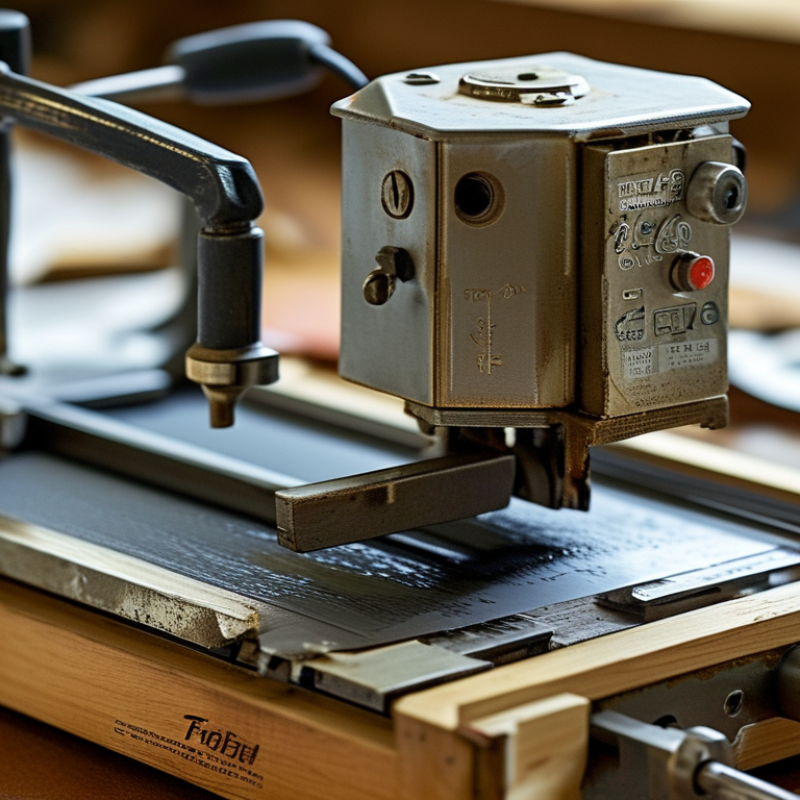
What Is the Top Hot Foil Machine to Buy?

What Is a Hot Foil Machine and How Does It Work?

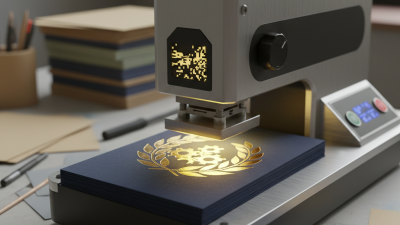
A hot foil machine transfers a metallic or pigmented foil onto paper, card, leather, or plastic. It uses heat, pressure, and timed contact. A heated die presses the design against a foil carrier. The coating releases only where the die touches. The result can feel sharp, raised, glossy, or slightly textured.

Machine performance depends on temperature, pressure, dwell time, and substrate quality. Platen machines suit invitations, packaging samples, and short production runs. Roll-fed systems support continuous work and consistent registration. Digital systems can reduce setup time for variable designs. Smithers’ The Future of Print Embellishment to 2028 reports that global print embellishment is worth more than US$15 billion, with continued growth driven by premium packaging and tactile effects. That demand does not make every machine a good purchase. Some models look powerful, yet struggle with uneven stock or fine lettering.

Tips: Test your actual material before buying. Record temperature, pressure, speed, and foil type. Begin with a simple solid shape. Fine details often fail first. Keep the work area clean, because dust can create tiny gaps. Also check die size, maximum sheet dimensions, heating stability, and replacement-part access. A machine rated for high pressure may still produce inconsistent results. This is an easy detail to overlook. Experienced operators also leave a small adjustment margin, because real paper rarely behaves perfectly.
Which Features Define a High-Quality Hot Foil Machine?

A high-quality hot foil machine should deliver stable heat, even pressure, and accurate foil movement. In practice, temperature stability matters more than a flashy control panel. Look for digital temperature adjustment with clear readings and responsive controls. A stable platen should recover heat quickly after repeated impressions. Test it on thin paper and textured stock. Small details matter.

Pressure control is equally important for clean, consistent impressions. A calibrated lever or pneumatic system should feel smooth during operation. The machine must hold pressure evenly across the entire plate. Uneven contact leaves pale corners or broken lettering.

Before buying, inspect the frame, hinges, and platen alignment carefully. I once trusted a compact machine because its first sample looked excellent, but longer runs exposed uneven pressure.

Reliable foil feeding prevents wrinkles and wasted material. Choose a machine with adjustable feed length and tension control. This helps align fine lettering and repeated patterns. Safety features deserve close attention. Guarded heating areas, emergency stopping, and clear operating instructions reduce avoidable risks. Serviceability also affects long-term value. Accessible replacement parts and responsive technical support can matter more than decorative extras. Ask for sample tests using your actual paper, foil, and artwork. A machine may look precise in a showroom, yet perform differently during daily production.

How Do You Compare Hot Foil Machine Types and Applications?

What Is the Top Hot Foil Machine to Buy?

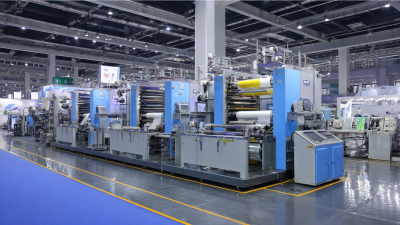
Comparing hot foil machine types starts with the product, not the machine price. Flatbed systems suit short runs, rigid cartons, invitations, and detailed embossing. They press foil against a fixed sheet, creating sharp edges on thick stock. Rotary machines work faster on continuous rolls or high-volume packaging. Their pressure remains consistent, but setup demands more technical control. Digital foil systems avoid traditional dies and support variable names, codes, and artwork. They can reduce preparation time, although foil adhesion may vary across coated surfaces.

Application changes the buying decision. A commercial printer producing 500 luxury boxes needs different equipment from a converter producing 50,000 labels. Smithers’ packaging forecast values the global packaging market at approximately US$1.2 trillion by 2028. That scale encourages automation, yet volume alone should not decide the purchase. Ask about substrate thickness, foil width, registration tolerance, heating zones, and changeover time. Measure actual waste during a trial.

FSEA technical guidance repeatedly emphasizes testing foil, ink, coating, and substrate together. This matters because a beautiful sample can hide production problems. PMMI’s packaging trend reports also identify automation and material efficiency as continuing priorities. I would compare hourly output, not brochure speed. A machine rated at 6,000 sheets per hour may perform slower after alignment and cleaning. That is easy to overlook. Personally, I would request samples using the exact stock, artwork, and foil planned for production. A small test can expose uneven pressure, weak adhesion, or excessive setup labor before a costly decision.

What Is the Top Hot Foil Machine to Buy?

Comparing hot foil machine types by typical application suitability

The chart uses a practical 1–5 suitability scale, where 5 indicates the strongest fit for the application. Manual machines are generally preferred for short runs and customization, semi-automatic machines balance flexibility and productivity, while automatic machines are usually the best choice for continuous, high-volume packaging and label production.

What Should You Consider Before Buying a Hot Foil Machine?

The top hot foil machine is not automatically the fastest or most expensive model. Your materials should guide the choice. Test paper, leather, coated card, and synthetic surfaces before buying. Each reacts differently to heat and pressure. A stable temperature controller matters for clean, repeatable impressions. Adjustable pressure is equally important. Too much force can flatten fine details or mark the reverse side.

Check the heating area, die size, foil width, and working speed. A compact machine may suit small batches, while production work needs stronger cycle control. Look for clear safety instructions, replaceable parts, and responsive technical support. Read the manual before judging the machine. Some specifications sound impressive but reveal little about daily performance. I would also inspect the frame, handle, wiring, and emergency controls. Small weaknesses become expensive during busy periods.

Tips: Request a sample test with your own materials. Compare setup time, foil transfer, waste, and cleanup. Keep notes under the same temperature and pressure settings. A cheaper machine can become costly if it requires repeated adjustments. However, paying more does not guarantee better results. I would leave room for a second opinion, because personal preference affects workflow. Check the warranty, service terms, and delivery conditions in writing. Avoid choosing from photographs alone. A short demonstration is useful, but several hours of practical testing is better.

What Is the Top Hot Foil Machine to Buy? - What Should You Consider Before Buying a Hot Foil Machine?

The best hot foil machine depends on the required production volume, material size, stamping area, level of automation, and available budget. The comparison below uses typical specifications and practical buying considerations for common hot foil machine categories.

Hot Foil Machine Comparison and Buying Guide
Machine Type Typical Foil Application Area Typical Working Temperature Typical Production Capacity Suitable Materials Typical Power Requirement Advantages Limitations Best For Overall Suitability
Manual Tabletop Hot Foil Machine Approximately 50 × 70 mm to 100 × 150 mm Approximately 80–200°C, depending on foil and substrate About 50–250 impressions per hour, depending on operator speed Paper, card stock, leather, coated boards, labels, and small flat items Usually 300–800 W Low initial cost, compact footprint, simple setup, and good control for short runs Operator-dependent output, limited stamping area, and lower production consistency Craft work, samples, personalization, small businesses, and prototypes ★★★★☆
Pneumatic Tabletop Hot Foil Machine Approximately 100 × 150 mm to 200 × 300 mm Approximately 80–200°C About 150–600 impressions per hour Paper, cartons, leather goods, synthetic leather, plastic sheets, and coated materials Usually 500–1,500 W, plus a compressed-air supply More consistent pressure, faster cycling, and reduced operator fatigue Requires an air compressor, regular air maintenance, and a suitable workspace Small-to-medium production runs and repeated logo or text stamping ★★★★★
Semi-Automatic Flatbed Hot Foil Machine Approximately 150 × 200 mm to 300 × 400 mm Approximately 80–220°C About 300–1,200 impressions per hour Packaging board, book covers, folders, labels, leather products, and flat promotional items Usually 1,000–3,000 W Improved repeatability, larger working area, adjustable pressure, and higher throughput Higher purchase cost, larger footprint, and more setup requirements Growing workshops, print finishing departments, and regular commercial orders ★★★★★
Automatic Flatbed Hot Foil Machine Approximately 250 × 350 mm to 600 × 900 mm Approximately 80–220°C About 800–3,000 impressions per hour, depending on format and feeding system Cartons, paperboard, book covers, cards, labels, and other flat sheets Usually 2,000–8,000 W High consistency, efficient repeat production, programmable settings, and reduced manual handling Higher investment, more complex maintenance, and greater space requirements Commercial print finishing and medium-to-high volume packaging work ★★★★★
Roll-On or Continuous Hot Foil Machine Determined by web width; commonly 100–300 mm usable width Approximately 80–200°C Often measured by material speed rather than impressions; commonly 5–30 m/min Continuous labels, narrow webs, films, coated paper, synthetic materials, and flexible packaging Usually 1,000–5,000 W Efficient for continuous production, consistent foil feeding, and reduced handling between pieces Less suitable for irregular individual items and requires careful web-tension control Label converters and manufacturers using continuous roll materials ★★★★☆
Cylindrical or Round-Object Hot Foil Machine Typically 20–100 mm object diameter; decoration length varies by tooling Approximately 80–220°C About 100–800 pieces per hour, depending on object shape and loading method Pens, bottles, tubes, cylindrical containers, and curved promotional products Usually 500–2,000 W Designed for curved surfaces and can provide durable decorative results Requires specialized fixtures, careful alignment, and compatible surface coatings Personalized cylindrical products and curved packaging components ★★★★☆
Key Factors to Check Before Buying:
  • Stamping area: Select a working area larger than the biggest design you plan to produce.
  • Pressure control: Adjustable pressure helps prevent incomplete transfers, surface damage, and uneven impressions.
  • Temperature control: Digital temperature adjustment and stable heat recovery improve foil-transfer consistency.
  • Foil compatibility: Confirm that the machine supports the foil width, foil type, substrate, and release characteristics required for your work.
  • Material handling: Check whether the machine is designed for flat sheets, individual items, continuous rolls, or curved products.
  • Production volume: Manual machines are practical for occasional work, while pneumatic and automatic machines are better for repeat production.
  • Available utilities: Pneumatic models need an air compressor, and higher-powered machines may require a suitable electrical circuit.
  • Tooling and setup: Verify die availability, maximum die height, registration adjustment, foil feeding, and changeover time.
  • Safety and maintenance: Look for guarded hot surfaces, emergency controls, stable construction, accessible replacement parts, and clear operating instructions.
  • Recommended choice: For most small-to-medium commercial applications, a pneumatic tabletop or semi-automatic flatbed machine offers a practical balance of consistency, speed, flexibility, and operating cost.

How Can You Choose the Best Hot Foil Machine for Your Needs?

How Can You Choose the Best Hot Foil Machine for Your Needs?

Choosing a hot foil machine starts with your actual production routine, not its advertised maximum speed. Measure your largest sheet, daily volume, foil width, and common materials. A compact manual unit may suit invitations and short runs. A pneumatic or automatic model becomes more practical for repeat orders. Check temperature stability, pressure adjustment, registration accuracy, and platen size. Small errors show quickly on dark paper.

Material testing matters.

According to Grand View Research’s 2024 packaging machinery report, the global market was valued at approximately 52.8 billion dollars in 2023 and is projected to grow at about 5.8% annually through 2030. This growth reflects stronger demand for automation and consistent output. However, automation is not always the best answer. If your orders change frequently, complex programming may waste setup time. Ask suppliers for samples using your paper, board, synthetic stock, and preferred foil. Request measured cycle times, not optimistic demonstrations.

Energy use and maintenance also deserve attention. The International Energy Agency reports that electric motors account for nearly 45% of global electricity consumption, making efficient drive systems worth examining. Look for standby controls, accessible heating elements, replaceable wear parts, and clear safety documentation. A machine with lower purchase cost can become expensive through downtime. I would also test noise, operator comfort, and cleaning access before buying. Those details seem minor. They rarely stay minor.