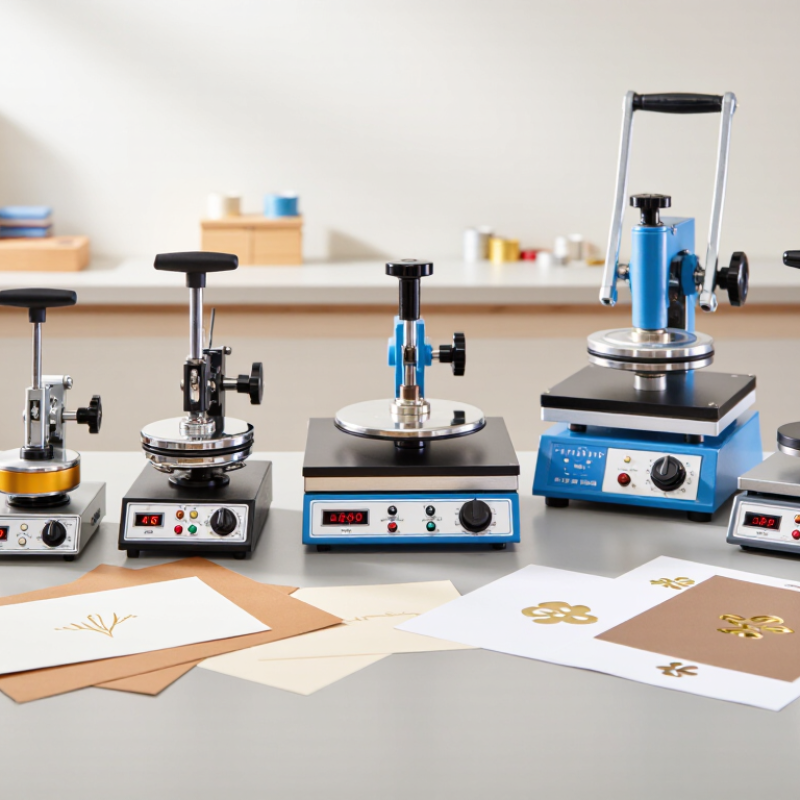
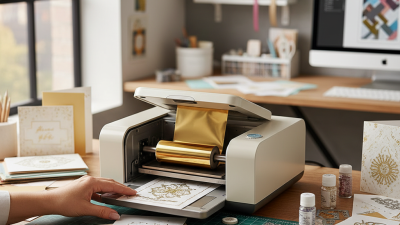
| Manual flatbed press |
Hand-fed sheets or individual items; a heated flat die presses foil onto the workpiece. |
100–150°C; set according to the foil and substrate. |
Prototypes, short runs, cards, invitations, and small craft projects. |
Simple setup, relatively low equipment complexity, and good flexibility for small jobs. |
Output depends on operator consistency; each item generally requires manual positioning and feeding. |
| Pneumatic flatbed press |
Flat die applies pressure using compressed air; workpieces are commonly positioned by hand. |
100–150°C; verify the recommended setting for the chosen foil. |
Repeat jobs on paper, card, and other compatible flat materials. |
More consistent pressure than a purely hand-operated press and less manual force for the operator. |
Requires a suitable air supply, careful setup, and consistent workpiece placement. |
| Hydraulic flatbed press |
Hydraulic force closes a heated flat platen or die onto the material. |
100–150°C; pressure and dwell time also affect the result. |
Applications requiring substantial, controlled pressing force on compatible materials. |
Can deliver strong, adjustable pressure for demanding flatbed work. |
Typically larger and more involved to install and maintain than a small manual press; confirm substrate compatibility. |
| Clamshell press |
Upper heated platen swings down toward a fixed lower platen; commonly hand-fed. |
100–150°C; use test impressions to establish a suitable setting. |
Small to medium flat items, packaging samples, stationery, and craft work. |
Compact footprint and straightforward access to the work area. |
Platen alignment, even contact, and safe hand positioning are important during operation. |
| Swing-away flatbed press |
Heated head moves away from the lower platen before the workpiece is positioned. |
100–150°C; actual settings vary with foil, substrate, and die. |
Flat items that benefit from open access for positioning or alignment. |
Provides clear access to the platen and can make setup and loading easier. |
Requires room for the moving head; accurate registration and consistent pressure still need to be checked. |
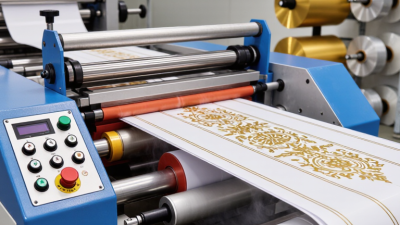
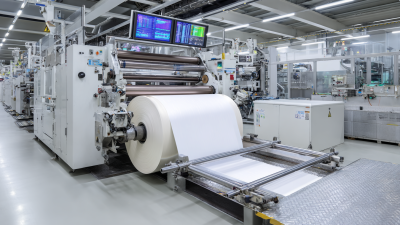
| Rotary or roll-to-roll foil system |
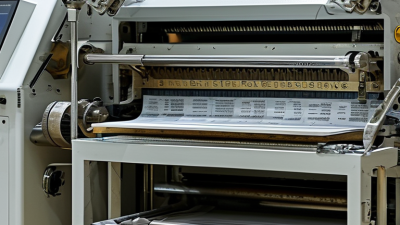
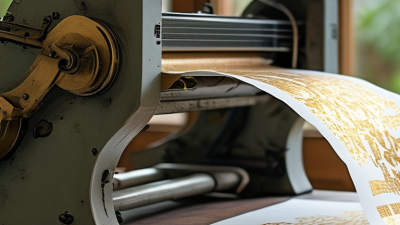
Material and foil move continuously or in indexed steps through heated rollers or a rotary stamping station. |
100–150°C is a general reference range; production settings depend on the system and materials. |
Continuous or repeat processing of compatible rolls, labels, and web materials. |
Supports repeatable processing across longer runs when the material path and registration are properly controlled. |
Setup is more specialized; tension, feed alignment, registration, and foil compatibility need attention. |
| Automatic platen press |
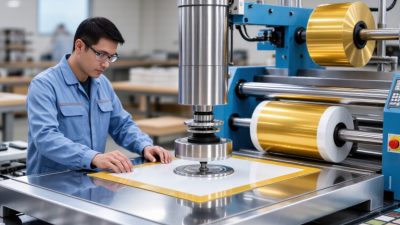
Mechanized feeding and a repeating flatbed press cycle; configuration varies by machine. |
100–150°C; confirm the equipment and foil supplier’s recommendations. |
Repeated production jobs with consistent layouts and suitable sheet materials. |
Can reduce repetitive manual handling and improve repeatability in a properly configured workflow. |
Requires setup, guarding, and operator training; job changes and complex registration may add preparation time. |