How to Choose the Best Hot Foil Machine?
Choosing a Hot Foil Machine is a production decision, not just a search for the lowest purchase price. The right press must match the jobs you actually run: foil type, substrate, image area, run length, changeover frequency, and available operator skill. Smithers’ report, The Future of Global Packaging to 2028, projects the worldwide packaging market will reach about $1.42 trillion by 2028. That broad growth does not guarantee demand for every finisher, but it highlights why print businesses need equipment suited to changing customer requirements.
Look closely at measurable details. Can the machine hold consistent temperature and pressure across a fine type line? How quickly can operators change dies, and how much foil is wasted during setup? Ask vendors for a sample run using your stock, artwork, and smallest critical details. Then compare output quality, cycle time, tooling costs, maintenance access, and training—not just the machine’s advertised speed. A glossy sample is useful. A repeatable production test is better.
One important limitation: no source material was provided to verify a named Hot Foil Machine expert’s exact words. Rather than invent a quotation, this introduction leaves it out. That is worth reflecting on: buying advice sounds authoritative only when its evidence can be checked. Use this guide to assess specifications against real jobs, ask for documented performance, and identify trade-offs before committing. A small test can reveal a lot.
Understanding Hot Foil Machines and Their Main Types
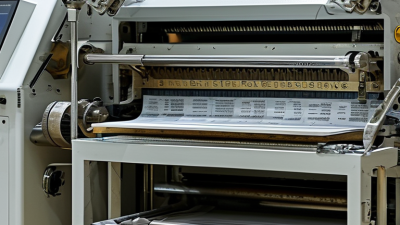
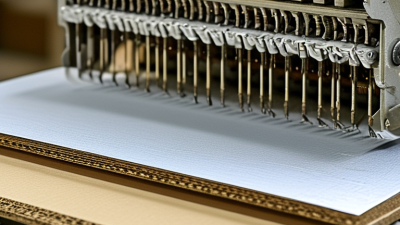
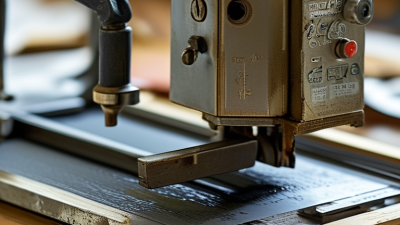
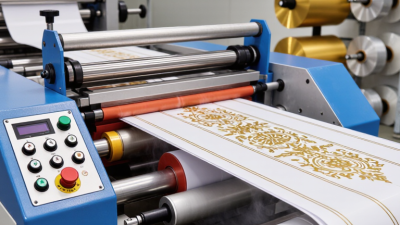
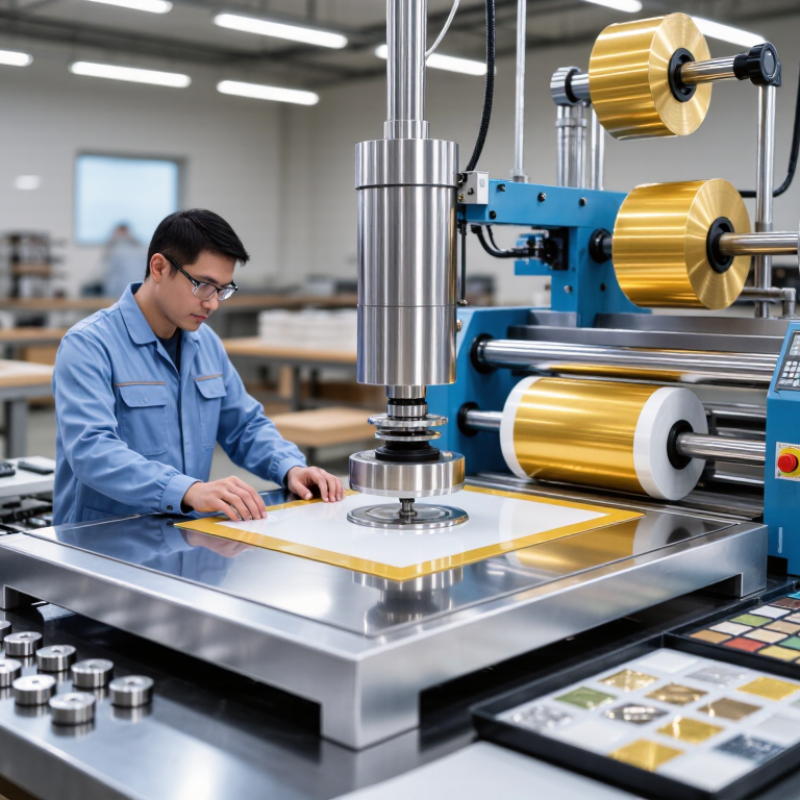
Hot foil machines transfer a thin decorative layer onto paper, card, leather, or selected plastics using heat, pressure, and a die. Their main types differ by how the material and die meet. Flatbed machines press a flat heated plate onto a stationary sheet. They suit short runs, invitations, and small packaging batches, though manual feeding can limit output. Cylinder machines use a rotating cylinder to apply pressure across sheets. Rotary machines feed continuous material through rotating dies, making them better suited to long production runs and labels.
Automation is another useful distinction. Manual and semi-automatic machines offer hands-on control for small jobs; fully automatic models support faster, more consistent feeding and registration. Smithers’ 2023 report, The Future of Global Printing to 2028, valued the worldwide print market at about US$818.5 billion in 2022. That figure covers printing broadly, not hot foil equipment alone, but it shows why finishing quality matters across print applications. The numbers do not choose a machine for you. Match the format to your actual work: a flatbed may handle varied, occasional jobs, while rotary equipment needs steady volume to justify setup. Registration can still drift. Test your substrate, foil, and smallest details before committing to a machine.
Identifying Your Materials, Projects, and Production Needs
Begin with the material, not the machine’s advertised speed. Paper, coated card, leather, and fabric respond differently to heat and pressure. A foil that bonds cleanly to smooth card may lift from textured stock. Some coatings can discolor or soften, so check material guidance and test a small offcut. Test first. Note the temperature, pressure, and dwell time that produce a crisp impression without scorching or flattening the surface.
Then match the machine’s working area and controls to your projects. Small labels may need precise alignment more than a large platen. Book covers and packaging require enough room for the design, margins, and positioning tools. If designs vary often, adjustable temperature and pressure can make setup easier. Still, more controls do not guarantee better results. A poorly aligned die can waste foil even on a capable machine.
Estimate your real production rhythm. Occasional custom pieces may not justify equipment built for long runs, while repeated batches need consistent heating and a suitable duty cycle. Ask how quickly the machine recovers between impressions, and whether its platen accommodates your largest regular job. Keep a simple test log; it is easy to forget which setting worked. A small test feels slow, but redoing a full batch is slower.
Comparing Key Features, Capacity, and Ease of Use
When comparing hot foil machines, look beyond the listed features and consider the jobs you actually produce. Temperature control matters because different foil materials and surfaces may need different settings. A clear display, adjustable pressure, and a timer make test runs easier to repeat. Small details count. A loose pressure knob can slow down a busy afternoon.
Capacity should match your typical work, not an imagined peak order. Check the platen size against your largest common design, then consider how often you need to reload materials. A compact machine may suit cards and short runs, while larger formats need more working space and a stable bench. “Bigger” is not always better.
Ease of use shows up during setup. Look for accessible controls, straightforward adjustments, and room to position paper without awkward reaching. If possible, test a sample on the stock you use most; a neat impression on one material may not transfer perfectly to another. I would also leave room in the decision for maintenance and operator learning. Specs help, but they do not reveal every small frustration. A simple machine can still need practice.
How to Choose the Best Hot Foil Machine?
Suggested evaluation weights for comparing capacity, key features, and ease of use. These are decision priorities, not measured market statistics.
Prioritize working area and production capacity for your intended jobs, then compare control features, setup effort, and routine upkeep. Check each machine’s specifications against your materials and workload.
Evaluating Safety, Maintenance, and Operating Costs
A hot foil machine should suit the size and frequency of your jobs, not just look capable on paper. Check that the heated platen is guarded and the machine sits firmly on the bench. Ask how operators stop the unit quickly and whether routine adjustments can be made without reaching near hot parts. Safety is practical. Before choosing, watch a full setup and shutdown, not only a polished demonstration.
Maintenance affects both output and cost. Foil dust and adhesive residue can collect around the die, while worn pads or poor alignment may leave uneven impressions. Ask how often parts need inspection, what tools are required, and how quickly common replacements can be obtained.
Tips: During a demo, run a small batch on your own material. Note setup time, rejected pieces, foil use, and the time needed to clean the machine. Keep those figures.
Compare operating costs per acceptable impression, rather than comparing purchase prices alone. Include electricity, foil waste, replacement pads, operator training, and downtime during changeovers. A simple spreadsheet helps, though its first estimate may be wrong; actual scrap rates often differ from trial runs. Don’t assume the fastest cycle is cheapest. A slightly slower setting may produce cleaner results with less wasted foil.