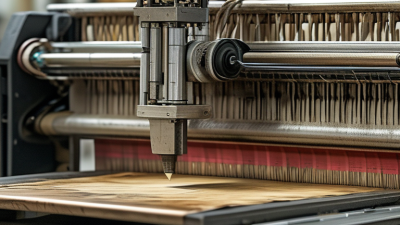
Choosing the best Foil Printing Machine in 2026 requires more than comparing speed, price, or maximum sheet size. A machine may produce brilliant gold lettering, yet struggle with thin paper, textured board, or short production runs. That difference becomes visible beside a window, under retail lighting, or in a customer’s hand.
Grand View Research valued the global commercial printing market at approximately USD 489.3 billion in 2023. Its report expects continued growth through 2030, supported by packaging, labels, and premium print effects. Smithers’ global printing outlook also identifies packaging embellishment as a resilient area, although automation and sustainability are changing buying decisions. These reports do not provide one universal winner. They show a market moving toward flexible, efficient, and digitally connected equipment.
Jean-Pascal Bobst, CEO of Bobst Group, has emphasized that “the future of packaging is connected, sustainable, and digital.” That statement matters for every Foil Printing Machine shortlist. Connectivity can reduce setup errors. Energy control can lower waste. Digital interfaces can help smaller teams maintain repeatable results. Still, the promise is not always the reality. Some specifications look impressive on paper. They may feel less impressive after several hours of adjustment.
This guide examines foil quality, registration accuracy, running costs, maintenance, operator experience, and application range. There is no perfect machine. The best choice depends on your materials, order volume, finishing goals, and tolerance for compromise.
What Is the Best Foil Printing Machine in 2026?
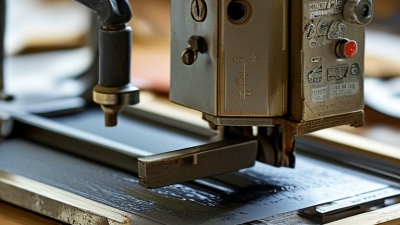
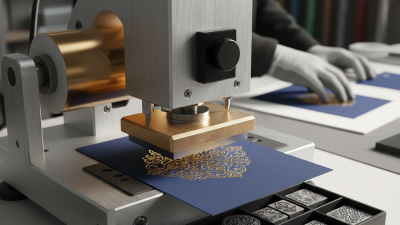
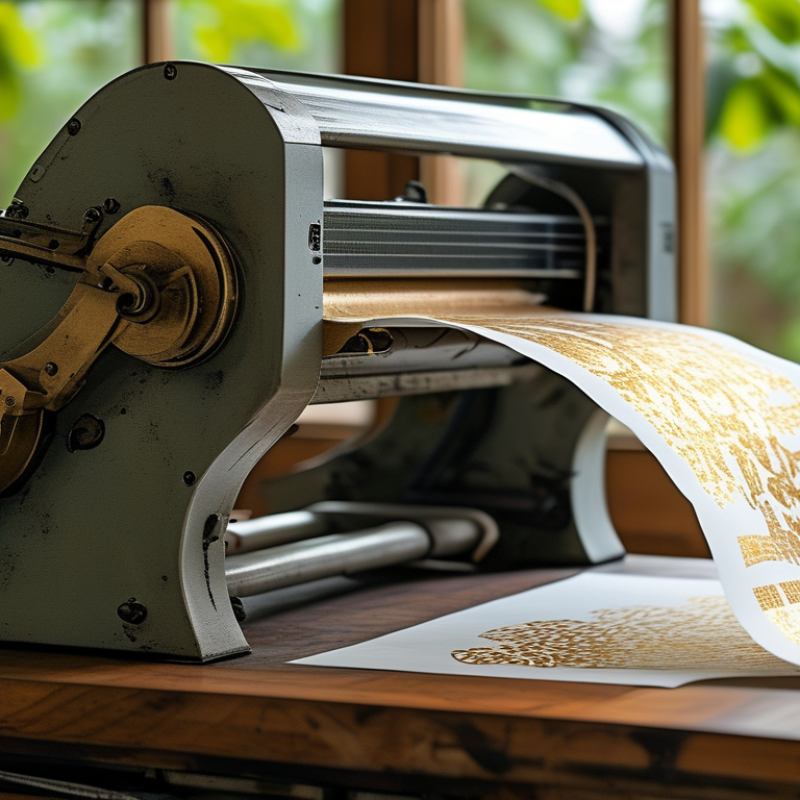
Foil printing machines create reflective details by combining heat, pressure, and transfer film. In hot foil stamping, a heated die presses the foil against paper or board. The adhesive layer bonds to selected areas. The die controls the shape, edge, and depth of each impression. Some newer systems use digital toner or adhesive patterns instead of fixed dies. This reduces setup time for short runs.
The machine can produce metallic text, fine borders, logos, textured panels, and decorative backgrounds. Common results appear on luxury packaging, invitations, book covers, labels, and business cards. Gold and silver remain popular, but colored, holographic, matte, and transparent foils offer different visual effects. Material testing matters. Rough paper may create broken edges, while coated board can show cleaner highlights. Pressure that is too high can crush delicate stock.
The best machine depends on production volume, material range, registration accuracy, and maintenance access. A reliable evaluation should include test sheets, temperature checks, foil-release inspection, and repeatability across a full batch. Speed alone can mislead. A fast machine that wastes film or produces uneven coverage may cost more in practice. Small details matter. I would also question perfect sample photographs, because real production includes dust, curling, and occasional misalignment. Even experienced operators must adjust pressure and heat when paper changes. That part is easy to underestimate.
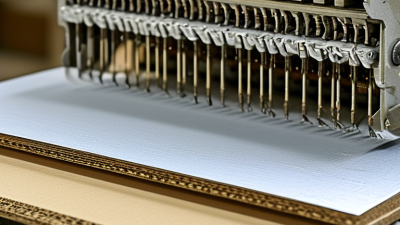
In 2026, the best foil printing machine depends on the material, design, and production volume. Key machine types include hot foil stamping, cold foil, digital foil, and hybrid systems. Each process creates a different finish, cost structure, and workflow. A practical buyer should compare setup time, foil waste, registration accuracy, and maintenance access. A real sample sheet often reveals more than a product specification.
Hot foil stamping machines apply heat and pressure through a metal die. They produce sharp, reflective details on cartons, invitations, covers, and premium labels. This method suits repeated designs and larger runs, but die preparation can slow short jobs. Cold foil machines transfer foil through adhesive and pressure. They work efficiently with web-fed presses and support fast label production. However, adhesive quality strongly affects edge definition and durability.
Digital foil machines use toner, ink, or a special adhesive layer to create variable designs without traditional dies. They suit short runs, personalized packaging, and quick revisions. Hybrid machines combine digital control with conventional printing or stamping, offering broader material compatibility. They can be powerful, yet their software and calibration may demand skilled operators. My evaluation would not ignore operator training; machines rarely deliver consistent results by themselves. Small tests matter. Check foil adhesion after folding, rubbing, and storage. Glossy film may look impressive, but fine text can lose clarity. A slightly slower machine may prove more reliable in daily production.
| Machine Type | Foil Application Method | Compatible Materials | Typical Production Speed | Typical Sheet or Web Format | Setup Requirement | Best Suited For | Main Limitation |
|---|---|---|---|---|---|---|---|
| Traditional Hot Foil Stamping Press | Heat and pressure transfer metallic or pigment foil from a carrier film. | Paper, coated board, book covers, labels, leather, and some plastics. | Approximately 1,000–8,000 impressions per hour, depending on format and job complexity. | Small manual sheets to commercial sheet sizes; format depends on the press. | Requires a heated die, makeready, pressure adjustment, and foil registration. | Premium packaging, stationery, book covers, invitations, and security-style effects. | Die preparation increases setup time and is less economical for constantly changing short runs. |
| Cold Foil Printing Unit | Adhesive is printed first; foil adheres to the tacky areas without a heated stamping die. | Self-adhesive label stock, paper, coated board, and selected flexible packaging films. | Often approximately 50–180 metres per minute on suitable web presses. | Primarily roll-fed web formats; width varies by press configuration. | Requires an integrated or auxiliary flexographic, offset, or digital adhesive-printing station. | High-volume labels, folding cartons, flexible packaging, and inline decorative effects. | Needs accurate adhesive control and suitable surface energy; results can vary by substrate and ink system. |
| Digital Toner Foil Printer | Foil bonds to toner or another digitally printed adhesion layer using heat and pressure. | Suitable coated and uncoated papers, cardstocks, synthetic papers, and selected films. | Approximately 2–30 metres per minute for many sheet or roll-fed production systems. | Desktop sheet sizes through large digital sheet or roll formats. | Requires compatible toner or adhesive artwork, temperature control, and foil-feed calibration. | Variable-data work, short runs, prototypes, personalised invitations, and on-demand packaging. | Foil compatibility depends strongly on toner, paper coating, fuser temperature, and image coverage. |
| Digital Inkjet Foil System | A digitally controlled primer or adhesive is printed, then foil is laminated or transferred to selected areas. | Coated papers, boards, labels, synthetic substrates, and selected packaging materials. | Approximately 10–75 metres per minute, depending on the primer, ink system, and coverage. | Sheet-fed and roll-fed formats, with working widths determined by the equipment. | Needs primer or adhesive optimization, curing control, and accurate digital registration. | Variable graphics, textured effects, short-to-medium runs, and designs requiring precise personalization. | Higher consumable and maintenance requirements than basic stamping systems. |
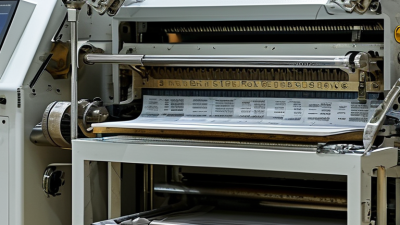
| Roll-to-Roll Thermal Foil Transfer Machine | A heated roller transfers foil continuously onto a printed or coated web. | Films, foils, coated papers, labels, laminates, and flexible packaging webs. | Approximately 20–150 metres per minute, depending on foil type, width, and registration demands. | Continuous web widths commonly ranging from narrow-label formats to wider packaging formats. | Requires web tension control, heated rollers, rewinding, and precise registration settings. | Continuous label, flexible packaging, decorative film, and industrial marking production. | Less convenient for one-off sheets and jobs requiring frequent changes in web width. |
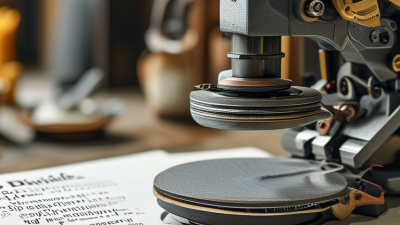
| Manual or Semi-Automatic Foil Press | A heated or pressure-controlled platen transfers foil using manual or assisted feeding. | Paper, card, leather, wood veneer, coated boards, and selected rigid surfaces. | Approximately 50–1,500 impressions per hour, depending on operator handling and design area. | Usually small sheets, individual pieces, covers, or flat objects. | Requires operator alignment, temperature adjustment, pressure setting, and occasional die changes. | Craft production, small businesses, sampling, repair work, and low-volume personalization. | Lower throughput and greater variation between operators than fully automated equipment. |
What Is the Best Foil Printing Machine in 2026?
Essential Features for Comparing Foil Printing Machines
Choosing the best foil printing machine starts with the materials it can handle. Check its compatibility with paper, coated stock, labels, synthetic sheets, and textured surfaces. A reliable machine should maintain stable heat and pressure across the working area. Uneven pressure can create dull patches, broken lines, or incomplete foil transfer. Small details matter. Ask for test samples before purchasing.
Speed matters, but consistency matters more. Compare the machine’s actual production speed, not only its advertised maximum. Look for accurate temperature control, adjustable pressure, and simple setup procedures. Automatic registration can improve alignment when designs contain fine borders or multiple layers. Waste reduction is also important. A precise feeding system can save foil, media, and operator time.
From practical testing, a clear control panel makes daily work easier. Safety sensors, emergency stops, and heat protection should be standard features. Consider maintenance access, spare-part availability, training, and technical support before comparing prices. The cheapest machine may cost more when calibration takes too long. I have seen impressive samples fail during longer production runs. That experience is worth remembering. A careful comparison should include running costs, print durability, service reliability, and the operator’s real workload.
Essential Features for Comparing Foil Printing Machines
This brand-neutral evaluation model assigns practical importance to the main factors buyers should compare in 2026. Registration accuracy and production consistency receive the highest weighting, followed by substrate compatibility, operating speed, setup flexibility, energy efficiency, and maintenance requirements.
The best foil printing machine in 2026 depends on the printing application, not simply its speed. Grand View Research valued the global digital printing market at about US$36.5 billion in 2023. It also forecasts continued growth through 2030. That trend favors flexible equipment for short runs, variable data, and fast artwork changes.
For folding cartons and premium invitations, a sheet-fed hot foil machine offers strong pressure control and crisp metallic detail. Test it on coated and uncoated stocks. Paper moisture can change adhesion. It is easy to overlook this.
Label converters need different features. A narrow-web roll-fed system with accurate web tension and registration suits labels, sleeves, and small packaging. Smithers’ packaging print research projects steady double-digit growth for digital packaging applications through 2029. That growth increases the value of quick setup and low material waste. Cold foil can support high-speed label production, although its finish may look less tactile than hot foil.
Commercial printers often need a wider sheet format, simple job memory, and compatibility with textured papers. A machine with automatic foil feeding can reduce stoppages during long runs. However, automation does not fix poor artwork preparation. Leave enough trapping space, check fine type, and inspect the first 20 sheets under angled light. A machine that looks perfect in a showroom may struggle with heavy stock or uneven surfaces. My practical choice would prioritize stable registration, service access, and testability over impressive maximum speed.
The best foil printing machine depends on your materials, production volume, and finishing expectations. A small workshop may need compact controls, quick setup, and moderate power consumption. A busy production floor may prioritize stable pressure, fast heating, and accurate registration. I have learned that impressive speed means little when foil coverage becomes uneven. Check the machine’s working area, temperature range, pressure adjustment, and compatibility with paper, board, labels, or synthetic sheets. Ask for service documentation and operator training before purchasing. Reliable support matters when a heater or pressure roller behaves unexpectedly.
Operating the machine requires a repeatable routine. Start with a clean surface and a suitable foil roll. Set temperature and pressure according to the substrate, then run a small test sheet. Examine fine text, solid areas, and edges under bright light. Increase pressure carefully; excessive force can crush delicate stock or damage the image. Keep foil aligned and remove wrinkles before production begins. Small tests matter. Record successful settings for each material, although those notes may need revision when humidity changes.
Tips: Clean rollers after each shift, using the recommended method. Inspect cables, guards, and heating components regularly. Store foil away from heat, dust, and moisture. Replace worn rollers before defects spread across a full batch. Keep a simple maintenance log with dates, temperatures, pressure settings, and observed faults. Dust wins more often than expected. Never ignore unusual noise, unstable heating, or repeated misalignment; stop the machine and seek qualified service.