Top 5 Foil Stamping Tips for Stunning Packaging Designs?
The art of Foil Stamping has transformed packaging designs, making them visually appealing and memorable. According to a report by Smithers Pira, the global market for specialty printing reached $234 billion in 2022, and Foil Stamping plays a crucial role in this growth. Brands increasingly use Foil Stamping to enhance the tactile and visual experience of their products.
In a competitive market, stunning packaging can elevate a brand's presence. A well-executed Foil Stamping design not only attracts attention but also communicates quality. Yet, achieving the perfect Foil Stamping effect requires expertise and attention to detail. Some brands struggle with the process, facing issues like foil adherence and color matching.
Mastering Foil Stamping can redefine a brand’s identity. It is essential to understand various techniques and materials involved. While Foil Stamping offers remarkable potential, challenges arise, prompting designers to evaluate their strategies. Learning from these obstacles can lead to more effective designs and higher consumer engagement.
Understanding Foil Stamping Basics for Packaging Designs
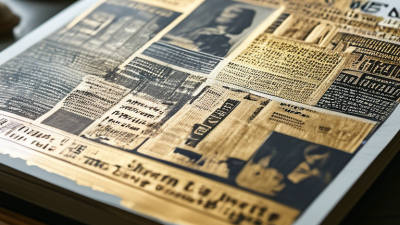
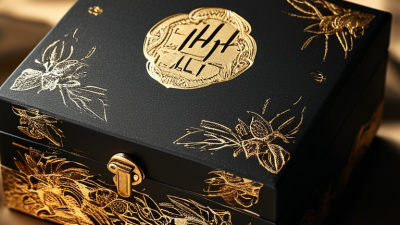
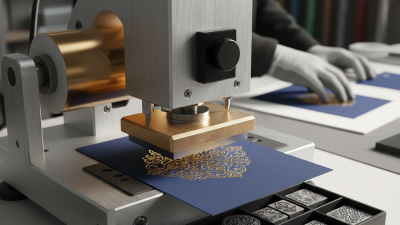
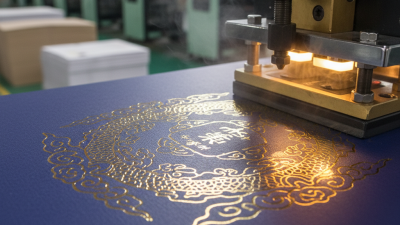
Foil stamping can elevate your packaging designs significantly. Understanding its basics is crucial for achieving stunning results. This technique involves applying metallic foil to a substrate using heat and pressure. It's widely used to create luxurious impressions and attract attention. However, getting it right requires practice and attention to detail.
When considering foil stamping, choose your foil wisely. Different finishes, like matte or glossy, offer distinct effects. Ensure the chosen foil complements your design. Another aspect to think about is the type of paper. Some papers may not hold the foil well, leading to uneven results. Test samples first to avoid disappointment.
The design itself plays a pivotal role. Simple designs often work best with foil stamping. Intricate patterns may lose clarity, causing a muddled look. Balance is key: too much foil can overwhelm a design. Keep in mind that foil stamping can sometimes be inconsistent. Monitor your production run to identify any variations early on. Adjustments can save time and resources in the long run.
Choosing the Right Foil for Maximum Visual Impact
Choosing the right foil can make a huge difference in packaging design. The visual appeal starts with selecting the appropriate color and texture. For a classy look, metallic foils work wonders. They catch the light beautifully and add sophistication. Experimenting with matte finishes can create a subtler effect that intrigues the viewer. It’s about enhancing the design without overpowering it.
Consider the type of product when choosing foil. A playful brand may benefit from vibrant, colorful foils. Conversely, a luxury brand should focus on muted tones. Combining different foils can add depth to the packaging. However, this requires careful planning to avoid chaos. Each element should serve a purpose. Test small samples before final decisions. This method helps in visualizing the final outcome. Reflecting on how various foils interact will guide you to make the best choices.
Design Considerations for Effective Foil Stamped Elements
Foil stamping can elevate your packaging design significantly. However, design considerations are crucial to achieve effective results. According to a study from the Packaging Association, 70% of consumers claim they are influenced by packaging design when making purchasing decisions. This emphasizes the need for meticulous design choices when incorporating foil stamped elements.
When designing foil stamped elements, contrasting colors are essential. They draw attention and enhance the visual impact. A combination of metallic foil and bold backgrounds can create striking looks. Research indicates that around 80% of consumers remember products with distinctive packaging. This makes the choice of color and foil type vital for brand recognition.
Simplicity is also key. Overly complicated designs can detract from the foil's elegance. Industry experts recommend not overcrowding the design, as this may lead to visual confusion. In fact, around 45% of consumers prefer minimalist design elements, especially in premium products. Each design element should serve a purpose, guiding the viewer's eye effortlessly. Remember to gather feedback on your designs. Observing how different audiences react can reveal valuable insights and help refine your approach.
Techniques to Ensure Precise Foil Application
Achieving precise foil application in packaging design can elevate the visual impact of a product. According to recent industry reports, 69% of consumers admit that packaging influences their purchase decisions. To optimize foil stamping, it's essential to focus on three crucial techniques.
The first key technique is ensuring the surface is prepared correctly. A clean substrate enhances adhesion and prevents bubbling. Studies show that misalignment due to improper surfaces can lead to a loss of up to 25% in foil application efficiency. Selecting the right foil type for the substrate also matters significantly. Different foils interact uniquely with materials, affecting final appearance and durability.
Another vital consideration is temperature control during the stamping process. Ideal foil stamping should occur within specific temperature ranges, usually between 325°F to 375°F. Falling outside this range can cause poor impressions or excessive wrinkles. Regular monitoring is necessary. This means adjusting temperature settings based on substrate thickness and foil type. In some instances, operators may notice inconsistencies, urging them to reevaluate their equipment setup and process parameters.
Finally, testing is crucial. Conducting test runs on various substrates helps reveal unforeseen challenges. For instance, even small variations in foil thickness can lead to dramatic differences in sheen. Documenting test results allows designers to refine their methods, ultimately ensuring stunning packaging outcomes.
Top 5 Foil Stamping Tips for Stunning Packaging Designs
Finishing Touches: Protecting and Preserving Foil Stamping
Foil stamping adds a luxurious touch to packaging. However, protecting this delicate finish is essential for maintaining its appeal. One effective way to shield foil stamping is through proper selection of materials. Choose high-quality substrates that are less likely to absorb moisture or oils. A strong base can prevent the foil from cracking or tarnishing over time.
Additionally, applying a protective coating can enhance durability. Options like varnishes or laminates offer a layer of defense against scratches and fading. Always test the coating on a sample. Not all coatings are compatible with foil, leading to unexpected results. Awareness of this can save time and resources during production.
Packaging design can be striking but must be functional too. Consider the end user's experience. How will the package be handled? The finishing touches should not only look good but also withstand the rigors of shipping and display. Keeping these aspects in mind can elevate the design from visually appealing to truly effective.
Top 5 Foil Stamping Tips for Stunning Packaging Designs
| Tip |
Description |
Impact on Design |
| Choose the Right Foil |
Select a foil color that complements your design and brand colors. |
Enhances brand visibility and attractiveness. |
| Test the Process |
Conduct test runs to ensure the foil adheres correctly to various materials. |
Ensures quality and consistency in final product. |
| Consider the Surface |
Select paper or materials that hold foil stamping well, like coated stock. |
Improves the durability and finish of the stamping. |
| Use Contrast Effectively |
Pair foil stamping with matte or textured backgrounds to enhance its effect. |
Creates visual interest and draws attention to key elements. |
| Protect the Foil |
Apply a protective coating to prevent scratching and fading of the foil. |
Ensures longevity and maintains the visual appeal of the packaging. |