How to Choose the Best Foil Stamping Machine for Your Business?
Choosing the right Foil Stamping Machine for your business can significantly impact your product's appeal. According to a report by Smith & Johnson (2023), businesses that utilize advanced foiling techniques see a 35% increase in customer engagement. This emphasizes the importance of selecting a quality machine that meets your specific needs.
Industry expert, Tony Mitchell, notes, "The right foil stamping equipment can elevate your brand to new heights." His insights highlight how a well-chosen Foil Stamping Machine can enhance your production quality. However, the plethora of options can be overwhelming. Considerations such as speed, versatility, and ease of use are crucial.
Mistakes can happen in the selection process. Many businesses rush into purchasing without fully understanding their requirements. This often leads to underwhelming results. A thoughtful approach ensures you invest wisely. You'll want to explore brands and models that align with your vision. With thorough research, you can find a Foil Stamping Machine that truly meets your business needs.
Understanding Foil Stamping: Basics and Applications
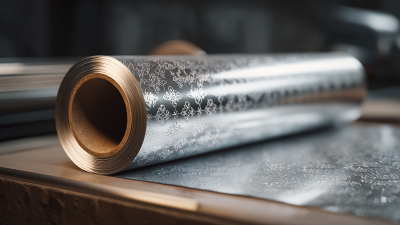
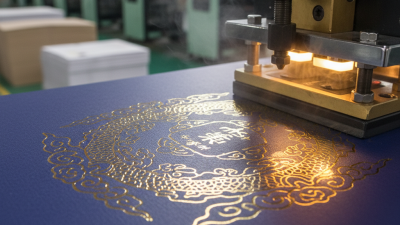
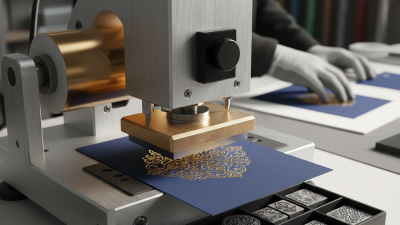
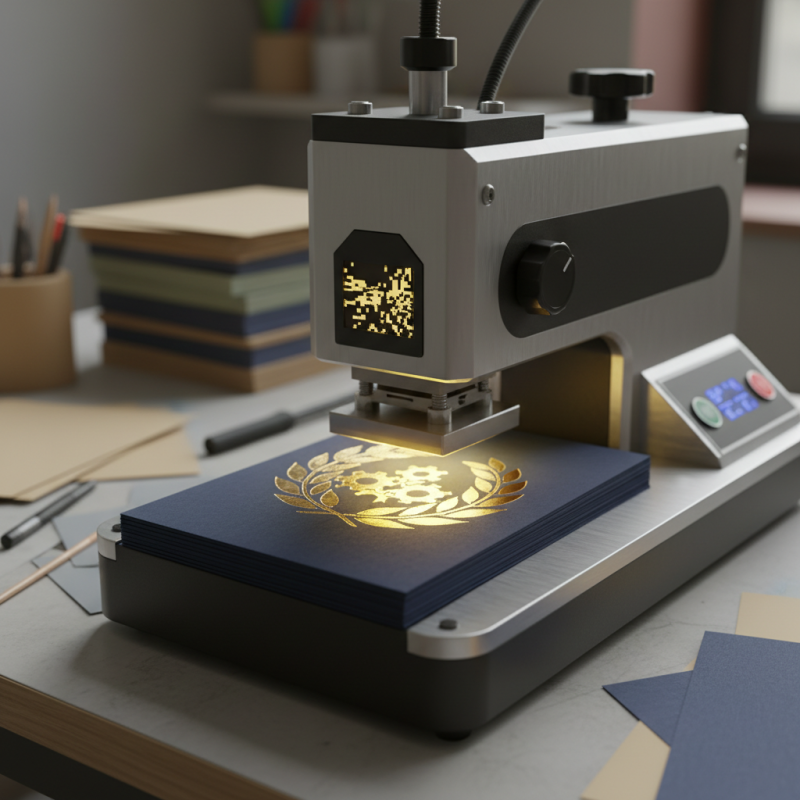
Foil stamping is a popular printing technique used for enhancing visual appeal. It involves applying metallic or pigmented foil to a surface using heat and pressure. This process creates a shiny, eye-catching finish, making it ideal for packaging, business cards, and invitations. Understanding the basics of foil stamping helps businesses appreciate its value.
The applications of foil stamping are diverse. Recognizing where it shines can influence your decision-making. For example, luxury brands often use it to convey sophistication. However, not every design benefits from this addition. It's crucial to assess whether foil stamping aligns with your brand image. Consider the costs and potential waste too. Experimenting with different designs may reveal unexpected results.
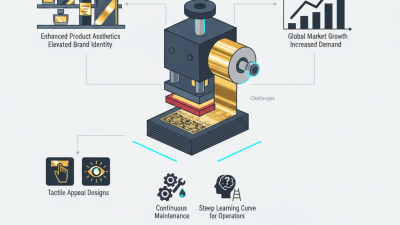
Keep in mind that mastering foil stamping requires practice. You'll encounter challenges, like foil lifting or improper alignment. Reflecting on these issues can lead to better quality over time. It’s essential to invest in training for your team. A well-informed staff ensures consistency and minimizes errors. Finding the right balance in application and technique is key to making foil stamping a successful part of your business strategy.
Key Features to Look for in a Foil Stamping Machine
When selecting a foil stamping machine, certain key features should be your focus. The machine's size matters. If your workspace is limited, opt for a compact model. However, don’t compromise on functionality. It should accommodate various materials like paper and fabric.
Consider the ease of use. A user-friendly interface saves time. Adjustable temperature settings are vital too. They allow you to work with different foil types. But remember, while automation is convenient, it may limit creative flexibility.
Reliability is essential. Choose a machine with a solid build that withstands frequent use. Read reviews and user experiences to gauge performance. Some machines may have a steep learning curve. Be ready to invest time in mastering your chosen model. Finding the perfect balance between features and usability can be challenging.
Evaluating Your Business Needs for Foil Stamping Equipment
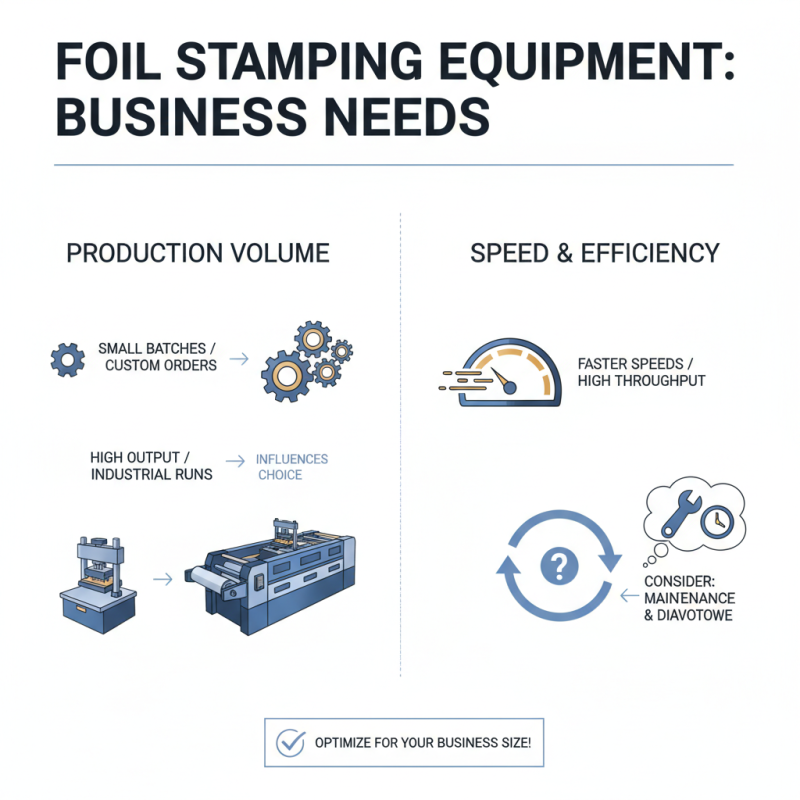
When evaluating your business needs for foil stamping equipment, several factors come into play. Understanding your production volume is crucial. Are you a small business with limited runs or a larger operation requiring high output? This will significantly influence your choice. A machine with faster speeds may seem attractive, but consider maintenance schedules and downtime.
Think about the types of projects you typically handle. Do you often work with thick card stock, or is your focus on delicate materials? Each material reacts differently to stamping processes. Moreover, assess your team’s skill level. A complicated machine may require additional training, leading to initial productivity loss.
Don’t ignore the cost implications. While it’s tempting to choose the most advanced option, weigh that against your budget. Consider the long-term investment versus short-term savings. You might find cheaper machines are less reliable. Reflection on past equipment can also guide your choice. Look at past failures or shortcomings. Did previous machines meet your expectations? These insights are invaluable when upgrading or purchasing new equipment.
Comparing Manual vs. Automated Foil Stamping Machines
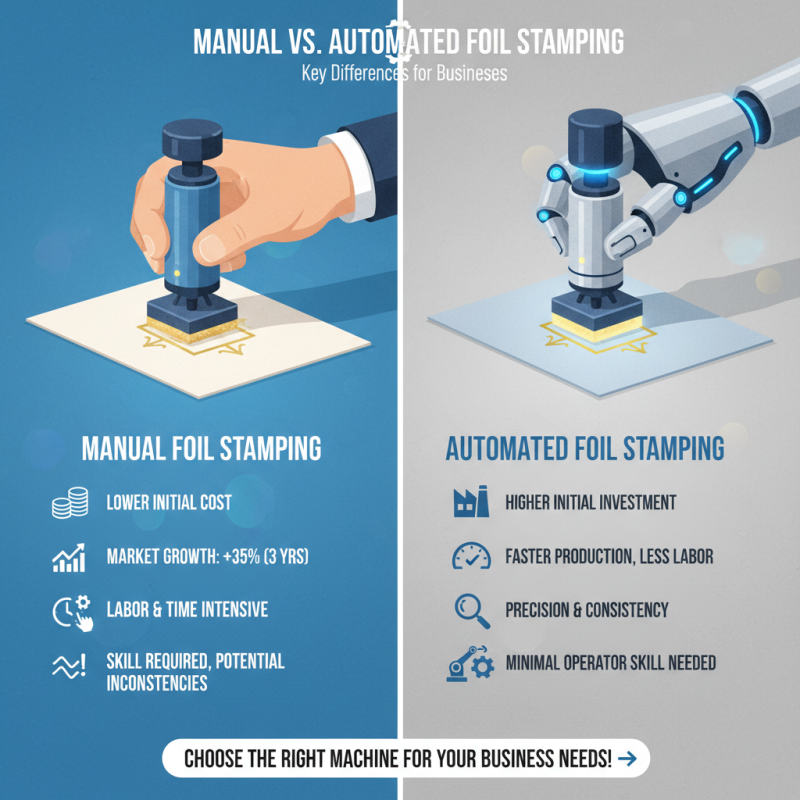
When diving into the world of foil stamping, businesses face the critical choice between manual and automated machines. Manual foil stamping machines often attract small businesses due to their lower initial costs. They provide an accessible entry point, with reports indicating that the manual market has grown by approximately 35% in the last three years. However, they require significant labor and time investment. Operators need skill to achieve high-quality results, which can lead to inconsistencies.
On the other hand, automated foil stamping machines present an efficient solution for larger operations. These machines significantly increase production speed, often completing tasks in half the time of their manual counterparts. According to industry analysis, the automated segment is expected to expand by over 45% in the next five years. Yet, the higher upfront investment can be daunting for smaller companies. It's essential to evaluate both options carefully. Assess your business volume and budget before deciding. Balancing cost with your production needs will lead to better long-term success.
Budget Considerations: Cost vs. Value in Foil Stamping Machines
When choosing a foil stamping machine, budget plays a critical role. It's tempting to go for cheaper options, but lower costs can lead to compromises on quality. A lower initial price might save money upfront, but operational costs can soar over time. Think about the machine's lifespan, maintenance, and energy consumption. These factors influence overall value.
Consider what you need from the machine. A lower-end model may not meet high-volume demands. If you produce complex designs, invest in a reliable machine. This ensures that your projects don't suffer from delays and errors. While a robust machine demands a higher budget, it often pays off in the long run. You might end up spending less on repairs and downtime.
Evaluate the available features. Machines that support a wide range of materials and settings can adapt to your business needs over time. It’s important to reflect on your goals. Are you looking for versatility or high volume? Finding balance between cost and long-term value can be challenging. Keep these aspects in mind as you explore options.