How to Choose the Best Hot Foil Embossing Machine for Your Needs?
Choosing the right Hot Foil Embossing Machine can greatly impact your projects. According to industry expert John Smith, "The right machine can elevate your work from ordinary to extraordinary." This underscores the importance of making an informed choice.
In the world of printing and packaging, a Hot Foil Embossing Machine adds a unique touch. It creates eye-catching designs that help businesses stand out. However, with many models available, selecting the best one can feel overwhelming. It's easy to get lost in specifications or be drawn to flashy features.
Consider your primary needs first. Will you use it for small-scale projects or larger productions? Look for user-friendly designs that cater to your specific applications. Don't overlook reliability. It’s crucial to pick a machine that doesn’t compromise quality for speed. Key factors like maintenance and customer support can also make a difference down the line. Be ready for some trial and error in this process.
Understanding Hot Foil Embossing: Key Concepts and Terminology
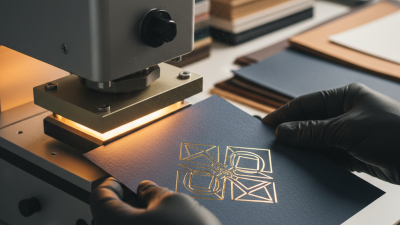
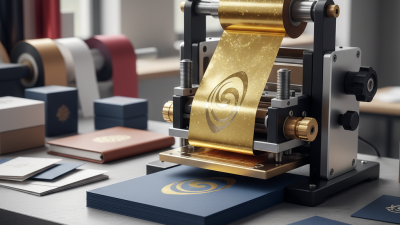
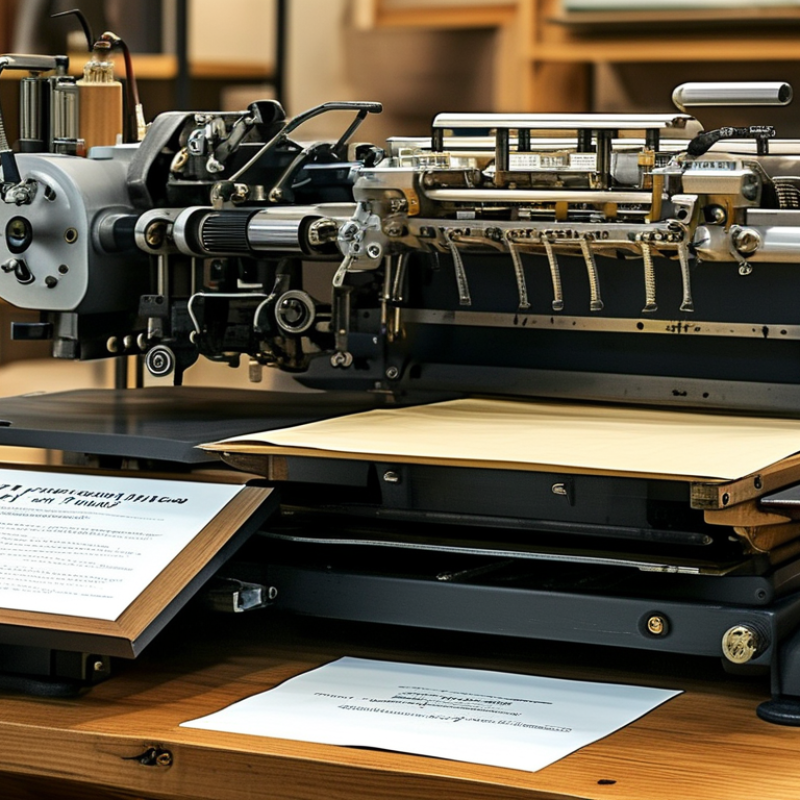
Hot foil embossing is a popular printing technique used to create eye-catching designs. The process involves applying a metallic or pigmented foil onto a surface using heat and pressure. Understanding the key concepts and terminology of hot foil embossing is crucial for anyone looking to utilize this technique effectively.
Key terms include “die” and “foil.” A die is a metal plate with a design that gets heated. When pressed against the substrate, it transfers the foil's color or metallic sheen. The type of foil used can vary widely. Foils come in various colors and finishes, from matte to glossy. Each type has its unique characteristics.
It’s important to understand that the quality of the result depends on factors like temperature and pressure. Too much heat can burn the substrate, while too little may not adhere the foil properly. Experimentation is sometimes necessary to achieve the desired look. Some users may find the process frustrating. Getting the pressure just right can take practice. This trial and error is part of the learning curve in mastering hot foil embossing.
Evaluating Hot Foil Embossing Machine Types: Digital vs. Mechanical Options
When choosing a hot foil embossing machine, it’s crucial to understand the two primary types: digital and mechanical.
Digital machines are often user-friendly. They provide precise control over design and pressure. This results in consistently high-quality outputs. They can be adjusted quickly, which is great for small runs or varied projects. However, reliance on software can lead to technical issues. Digital devices may fail or require updates, which can disrupt production.
Mechanical machines, on the other hand, have their own charm. They can deliver robust performance using simple mechanics. Users often find them more reliable, especially in high-volume environments. The tactile feedback during operation feels satisfying to many. Yet, they might lack the versatility that digital options provide. Adjusting them can be cumbersome and time-consuming.
Choosing between these types may depend on your volume needs and projects' complexity. Enjoying the process and making thoughtful choices can enhance your craft.
Assessing Production Volume: Choosing a Machine for Your Demand
When choosing a hot foil embossing machine, assessing your production volume is essential. The demand for your products will dictate the machine's capacity. Consider how many units you plan to produce daily or weekly. A machine that can't keep up with your needs could lead to delays. This will ultimately affect customer satisfaction.
For small operations, a manual or entry-level machine might suffice. These machines are often less expensive and easier to manage. However, if your production volume is high, investing in an automatic or semi-automatic machine is wise. It can handle larger jobs efficiently and consistently. This response will keep your workflow smooth.
Don’t overlook the importance of future growth. If you anticipate increasing your production volume, choose a machine with scalability in mind. Consider features that allow for quick adjustments. Reflect on your capacity needs over time. A well-thought-out choice today can save you from potential issues later on. Evaluate all options carefully to ensure the best fit for your requirements.
Analyzing Cost vs. Quality: Budgeting for a Hot Foil Embossing Machine
When budgeting for a hot foil embossing machine, understanding the balance between cost and quality is crucial. Industry reports indicate that high-quality machines can range from $3,000 to $10,000. However, cheaper options may lead to increased operational costs and technical issues. Poor-quality machines often require frequent repairs. This can increase overall expenditure over time. It's important to consider long-term use rather than focusing solely on the upfront price.
A machine’s durability and efficiency play a key role in your return on investment. It is not just about the initial cost. For instance, high-end models often come with better temperature control and quicker heating times. This can significantly enhance production rates. Data suggests that even a slight improvement in efficiency can increase output by 15-20%. Users may overlook these details, focusing too heavily on price. This can lead to regret when faced with higher running costs.
Additionally, evaluate the support and warranty provided by manufacturers. A less expensive machine may lack adequate customer service. Poor support can hinder your operations when problems arise. Many professionals recommend investing in a reputable machine to avoid the pitfalls of cheaper alternatives. Ultimately, understanding the nuances of cost versus quality will aid in making an informed decision.
How to Choose the Best Hot Foil Embossing Machine for Your Needs?
| Feature |
Entry Level |
Mid Range |
Professional |
| Price Range |
$200 - $500 |
$500 - $1500 |
$1500+ |
| Heating Type |
Electric |
Electric |
Electric / Infrared |
| Max Foil Width |
5 inches |
10 inches |
20 inches |
| Speed |
200 impressions/hr |
500 impressions/hr |
1000+ impressions/hr |
| User Interface |
Manual |
Digital control |
Touchscreen |
| Warranty |
1 year |
1-2 years |
2-5 years |
Maintenance and Support: Ensuring Longevity in Your Equipment Choice
Maintaining your hot foil embossing machine is crucial for its longevity. Regularly checking for wear and tear is essential. You should inspect components such as the heating element and pressure plates. These parts can wear out and affect performance. Having a maintenance checklist can guide your routine checks. A good practice is to clean the machine after each use. This simple step can prevent dust buildup and enhance its lifespan.
Support options are also important when making a choice. Look for machines that offer comprehensive warranties and easy access to parts. Consider documentation and resources provided by the manufacturer. Reliable support can make a significant difference, especially during breakdowns. Find out if the supplier offers training. Knowing how to operate and maintain your machine can prevent costly errors.
Experience with these machines varies. You may encounter challenges during use. This requires a willingness to learn and adapt. Not every machine will meet every need perfectly. Understanding its limitations is part of the journey. You may need to refine your technique over time. Each session is an opportunity to improve.