Top 10 Hot Foil Stamping Techniques in China for Exceptional Print Quality?
Hot Foil Stamping is transforming the print industry in China. This technique adds a radiant finish to products, significantly enhancing their appeal. According to a recent report by Smithers Pira, the global demand for premium printing methods is expected to grow by 3.9% annually. This indicates a vibrant market for Hot Foil Stamping.
In 2022, the Chinese printing sector witnessed a surge in the application of this technique, particularly in packaging and labeling. The brilliance of foil can elevate simple designs into striking works of art. Companies increasingly favor Hot Foil Stamping for its ability to convey luxury and exclusivity. However, the complexity and associated costs can be challenging for smaller enterprises.
Moreover, the choice of techniques can greatly impact output quality. Variations exist, each offering unique benefits. While hot foil stamping enhances visual appeal, it also requires expertise to ensure precision. In a constantly evolving market, businesses must assess their methods for efficiency and quality. This balance between creativity and practicality shapes the future of printing in China.
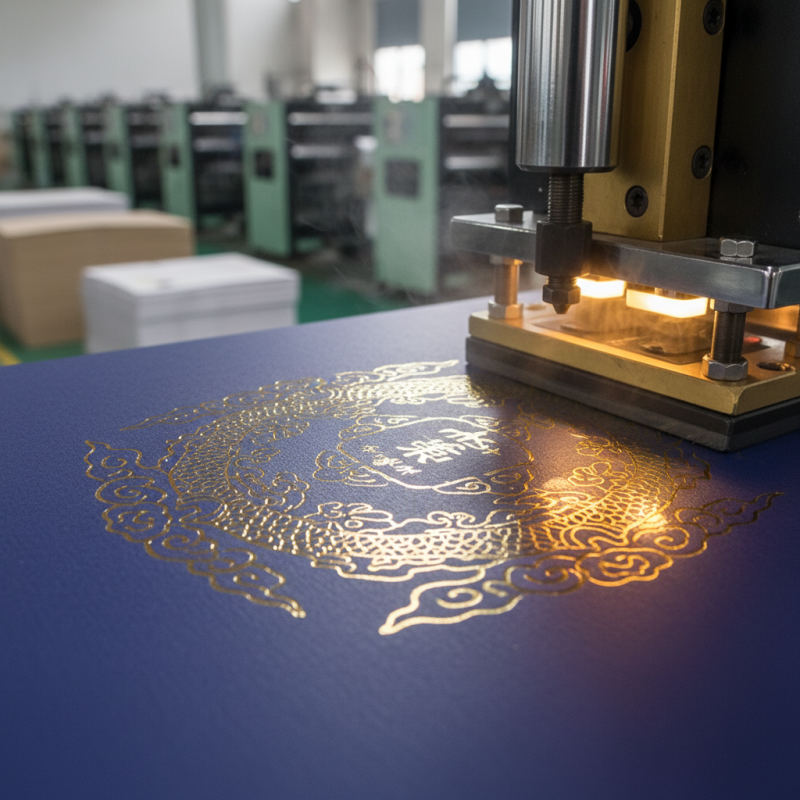
The Evolution of Hot Foil Stamping Techniques in China's Print Industry
The print industry in China has seen a significant evolution in hot foil stamping techniques. This method, once a niche specialty, is now widely adopted due to its ability to enhance print quality. Over the years, advancements in technology have enabled printers to achieve intricate designs that were previously unattainable. Techniques have evolved from manual processes to automated systems, increasing efficiency and precision.
Many printers now utilize digital technology to create customized foil stamping solutions. This allows for quick adjustments and higher creativity in design. However, these advancements also present challenges. Not all printers have adapted to the new technology, leading to discrepancies in quality. Some smaller companies struggle to keep pace, risking inconsistent results. The evolving landscape highlights the need for continued training and investment in modern techniques.
In this competitive environment, it's crucial for businesses to stay informed about best practices. Collaboration among industry professionals can foster innovation. Engaging in workshops and conferences can also build a community where ideas flourish. As the industry progresses, a focus on quality and reliability remains paramount. Yet, the journey is ongoing, filled with potential pitfalls and opportunities for growth.
Key Materials and Tools Used in Hot Foil Stamping for Premium Results
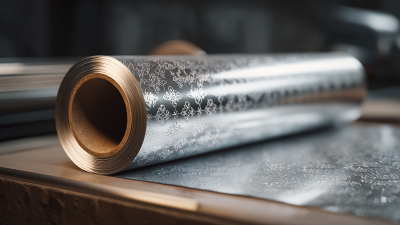
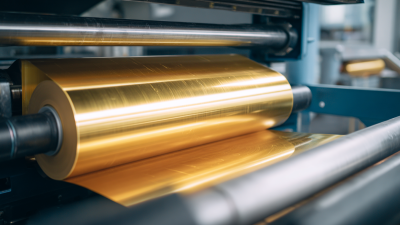
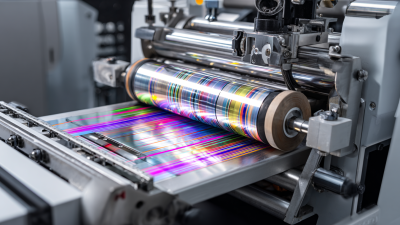
Hot foil stamping is a captivating technique used in print that enhances visual appeal. However, achieving exceptional results depends heavily on choosing the right materials and tools. The foil itself is crucial. High-quality foils come in various finishes, including metallic, matte, and holographic. Each type has its unique characteristics that can significantly affect the final product's look and feel.
The choice of substrate is equally important. Paper types vary immensely, and not all are suitable for foil stamping. For example, glossy papers may not hold the foil well. Experimentation is essential to find the best match. Additionally, the stamping machine's specifications can impact the outcome. Heat and pressure must be carefully calibrated. Too much pressure can damage the substrate, while insufficient pressure may lead to a poor bond.
While many strive for perfection, errors can be a part of the process. Foil skipping or misalignment can occur, requiring adjustments. Understanding these challenges helps in refining the technique and achieving better results over time. Using the right tools and materials lays the foundation for successful hot foil stamping. Mastery of this craft is a journey of experimentation and adaptation.
Comparative Analysis of Hot Foil Stamping vs. Other Print Finishing Techniques
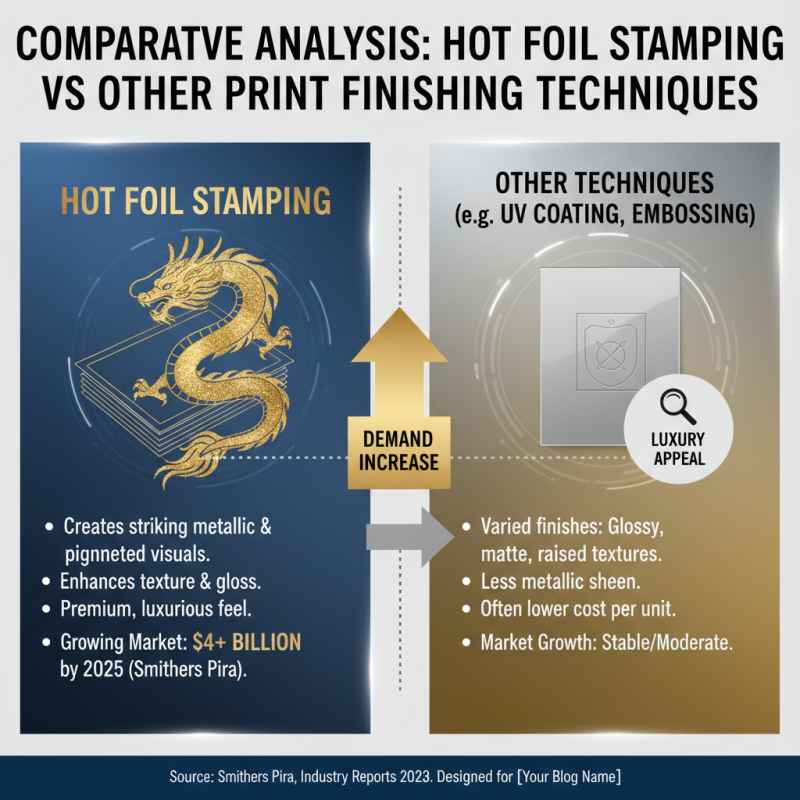
Hot foil stamping is a popular print finishing technique in China. It creates striking visuals using metallic and pigmented foils. Compared to other techniques, it stands out for its ability to enhance texture and gloss. Research from Smithers Pira indicates that the demand for foil stamping is growing, projected to reach a market value of over $4 billion by 2025. This growth shows a preference for high-end print finishes.
When comparing hot foil stamping to other finishing methods like UV coating or embossing, the differences are notable. UV coating offers protection but lacks the tactile appeal of hot foil. Embossing adds depth, yet often does not achieve the same level of shine. As a result, print quality can vary significantly. This prompts designers to weigh their options carefully.
Tips: Experiment with different foil types. Silver and gold are classic, but vibrant colors can inspire creativity. Don't overlook the importance of substrate choice. Some papers interact more favorably with foil. Always consider the final use of your printed materials. Cost-effectiveness often outweighs a purely aesthetic choice. Test samples are essential; they reveal potential challenges early on.
Industry Statistics: Market Growth and Demand for Foil Stamping in China
The demand for foil stamping in China has surged over the past few years. The printing industry has experienced an annual growth rate of 8.5%, with foil stamping representing a significant portion of this progress. According to a recent industry report, the market value for foil stamping services exceeded $500 million in 2022. This growth reflects an increasing appreciation for premium print quality among consumers and businesses alike.
In urban areas, foil stamping is more popular due to higher spending on packaging and promotional materials. The luxury goods sector shows the highest demand, with approximately 30% of foil stamping applications directed towards high-end packaging. However, it's important to note that the availability of skilled labor in this specialized area remains a challenge. This shortage may affect quality and delivery times, prompting companies to rethink their investment in training and technology.
Furthermore, evolving design trends require constant adaptation in foil stamping techniques. Not all traditional methods suffice for modern applications. Companies must prioritize innovation and efficiency to meet client expectations. The future of foil stamping in China looks promising, yet it requires ongoing attention to quality control and workforce development.
Case Studies: Successful Applications of Hot Foil Stamping in Various Sectors
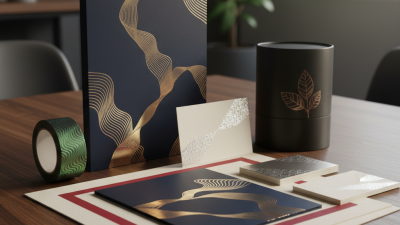
Hot foil stamping has gained significant traction across various sectors in China. The luxury packaging industry, for instance, has embraced this technique for its ability to create distinct, eye-catching designs. A recent report by Smithers Pira notes that the packaging market for luxury goods is expected to grow by 4.5% annually, with foiling technologies playing a key role in this expansion. This is especially evident in the cosmetics sector, where brands utilize foil stamping to enhance the perceived value of their products.
In the fashion sector, hot foil stamping is not just a trend; it’s a necessity. Designers use this technique to add metallic accents to high-end garments and accessories. For example, a study from the International Journal of Fashion Technology revealed that 70% of premium brands now incorporate some form of foil application in their collections. However, the learning curve can be steep. Companies sometimes struggle with adherence and durability of foils, leading to inconsistent results. This presents a challenge in maintaining quality across different batches.
Moreover, the printed electronics sector also sees potential in hot foil stamping. It enhances the aesthetic appeal of electronic devices while ensuring functionality. Yet, some manufacturers report difficulties in integrating foil stamping with sustainable materials. Reflecting on these challenges is crucial. As the market evolves, the push for sustainable practices means innovation must go hand in hand with responsibility. Balancing aesthetics and functionality while addressing eco-friendly concerns is an ongoing journey for many in this field.