How to Choose the Best Industrial Printing Machine for Your Needs?
Selecting the right Industrial Printing Machine is crucial for businesses seeking efficiency and quality. According to a recent report by Smithers Pira, the global market for digital printing is expected to reach $280 billion by 2025. This growth underscores the importance of investing in the right equipment. Businesses must evaluate their specific needs, production volumes, and desired print quality.
Choosing an Industrial Printing Machine involves understanding key features. Parameters like speed, maintenance, and technology type can significantly affect outcomes. For example, inkjet machines often offer rapid speeds but may require more frequent maintenance. In contrast, offset printing typically provides superior quality, yet comes with higher operational costs. Companies should weigh these factors based on their target market and production goals.
It is also essential to acknowledge the challenges in selecting a suitable machine. Many organizations underestimate future needs, leading to underperformance. As production scales, the chosen machine should adapt to increased demand. A short-sighted selection can result in costly downtimes or inefficiencies. Therefore, thorough research and expert consultations can guide businesses to make informed decisions in this evolving market.
Understanding Different Types of Industrial Printing Machines
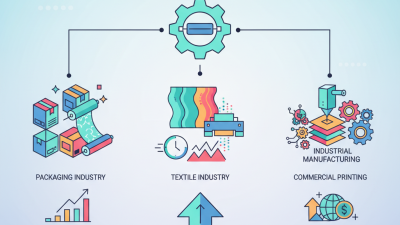
When selecting an industrial printing machine, understanding the various types is critical. There are several categories, including digital, flexographic, and offset printing machines. Each type serves different needs and industries. Digital printing is known for its quick turnaround and flexibility. According to Smithers Pira's report, the digital printing market is expected to reach $28 billion by 2025. This growth highlights the increasing demand for faster, on-demand printing solutions.
Flexographic printing machines excel in high-volume tasks. They are commonly used for packaging materials due to their speed and efficiency. Their ability to print on various substrates makes them versatile. A recent study from the Freedonia Group noted that the global flexographic printing market would grow by 3.8% annually through 2025. This reflects a shift toward packaging solutions that meet consumer preferences.
Offset printing remains a leading choice for high-quality images and text. It offers excellent color accuracy and is ideal for large runs. However, initial setup costs can be high, which could be a concern for smaller companies. The choice often depends on budget, production volume, and print quality needs. Some companies may overlook the total cost of ownership, which includes maintenance and consumables. Each option has trade-offs that should be carefully considered.
Comparison of Different Types of Industrial Printing Machines
Key Factors to Consider When Choosing a Printing Machine
Choosing the right industrial printing machine hinges on several key factors. One essential element is the type of printing technology that suits your needs. Different technologies, like digital, offset, and flexographic, offer unique advantages. For instance, digital printers excel at short runs and quick turnaround times. If you need complex designs, this could be your best option.
Another crucial aspect is the machine's size and volume capability. Consider the scale of your projects. A larger machine may offer higher volume outputs, but it could also consume more space and energy. This trade-off should align with your expectations and workspace availability. Don't overlook maintenance requirements. Machines that require frequent servicing can disrupt your workflow and diminish productivity.
Cost factors also deserve close examination. Initial costs may be straightforward, but don't forget about the long-term expenses. Ink and maintenance can add up over time. Small savings on the upfront purchase might lead to larger bills later. Reflect on these factors carefully to ensure you choose a machine that truly meets your operational needs, not just the ones you envision. Your choices today will impact your business for years to come.
Assessing Your Production Volume and Workflow Requirements
When selecting an industrial printing machine, evaluating your production volume is crucial. This decision directly impacts the efficiency of your operation. Understanding how many units you produce daily helps narrow your options. Machines vary greatly in speed and capability. For instance, a machine designed for high volume may be unnecessary for low-output needs.
Assess your current workflow and future projections. Is your production expected to grow? If so, choosing a scalable machine is wise. Look at the layout of your workspace. Some machines require more room than others. Consider maintenance requirements as well. Complex machines might demand specialized training and more downtime for repairs.
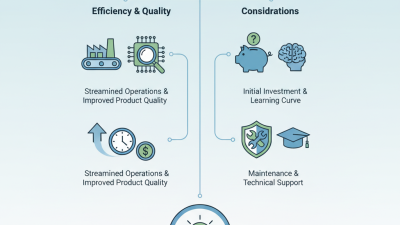
Sometimes, it’s easy to overlook the importance of user-friendliness. A highly technical machine could lead to operational frustration. It’s essential that your team can quickly adapt to new equipment. Examine the learning curve and support available. Even the best machines have limitations. Reflect on both your immediate needs and future goals, ensuring alignment between them.
Evaluating Print Quality and Technology Features
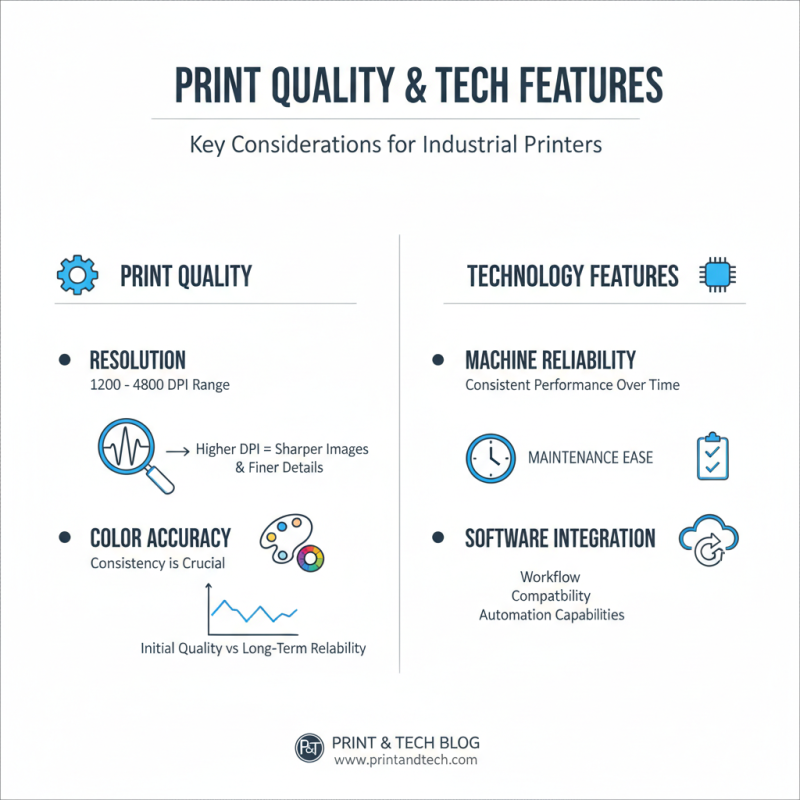
When evaluating print quality, it's essential to consider the resolution and color accuracy of the machine. Many industrial printers offer resolutions ranging from 1200 to 4800 DPI. A higher DPI often results in sharper images and finer details. However, achieving consistent quality can be a challenge. Some machines may deliver excellent results for the first few runs but struggle with maintaining quality over time.
Color technology is another crucial aspect. Advanced models utilize technologies like UV curing and dye-sublimation. These methods enhance durability and vibrancy. According to industry reports, up to 70% of users prioritize color management features in their purchasing decisions. Yet, not all machines can handle various media types effectively, leading to limitations in flexibility.
Additionally, user experience is vital. Even the best technology can falter without proper training and support. Many operators may find it difficult to calibrate machines correctly, impacting print outcomes. Industry data suggests that about 30% of dissatisfaction comes from inadequate training and support, emphasizing the need for comprehensive service agreements. As technology evolves, keeping pace with upgrades and best practices is crucial for maximizing performance.
Budgeting and Cost Considerations for Industrial Printing Solutions
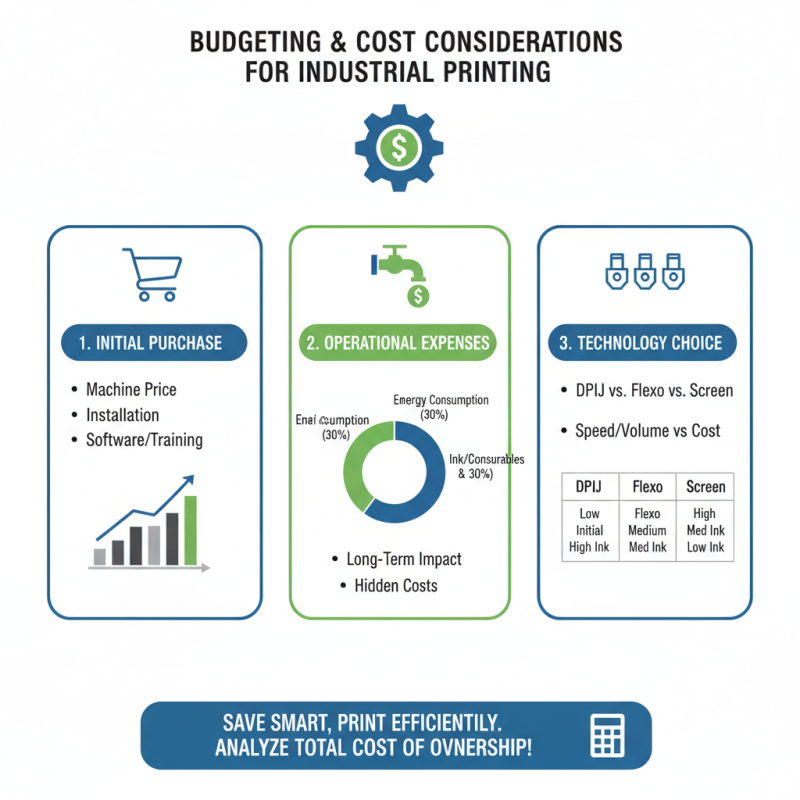
Choosing the right industrial printing machine starts with a clear budget. It's crucial to understand the costs associated with different printing technologies. Take time to analyze both initial purchase prices and ongoing operational expenses. Machines vary significantly in their energy consumption, maintenance, and ink costs. This variation can impact your overall budget in the long run.
Consider how your budget aligns with your business needs. If you're a small operation, high-end models could strain your finances. It’s often tempting to go for cheaper options, but these may lead to higher costs over time. Weigh the benefits of investing in more reliable equipment against immediate savings. Analyze total cost of ownership, not just sticker price.
Additionally, explore financing options. Leasing may allow you to access advanced technology without hefty upfront costs. It's also a good idea to account for potential downtimes. Failing to factor these can lead to unanticipated expenses, affecting cash flow. Regularly review your budget to adapt to changing business needs and technological advances.