What Is the Best Hot Foil Machine for Your Business?
Choosing the right Hot Foil Machine can shape how your business handles custom packaging, invitations, labels, and branded products. A small print studio may need a compact machine for short runs, while a packaging workshop may value a wider working area and steady output. The best choice depends on the materials you use, the size of your typical jobs, and how often you expect to run the machine. Details matter.
Foil stamping can look simple on a finished box: a clean gold logo, sharp edges, no obvious gaps. Getting that result takes suitable heat, pressure, timing, and a well-made die. A machine that performs well on paper may not suit coated stock or thicker materials, so sample tests are worth the time. They can reveal uneven impressions before a large order is underway.
Also consider setup, operator training, maintenance, and access to replacement parts. These costs are easy to overlook. Compare the machine’s stated working area and operating method with real jobs from your shop, not just a product photo. Ask suppliers about support and test materials similar to your own. A lower purchase price may be appealing, but it does not tell the whole story. And even a capable machine can disappoint when the die, foil, or settings are poorly matched. This guide examines the practical factors behind a good fit, helping you compare options with clearer expectations—and room to question the sales claims.
Understanding Hot Foil Machines and How They Work
What Is the Best Hot Foil Machine for Your Business?
Understanding Hot Foil Machines and How They Work
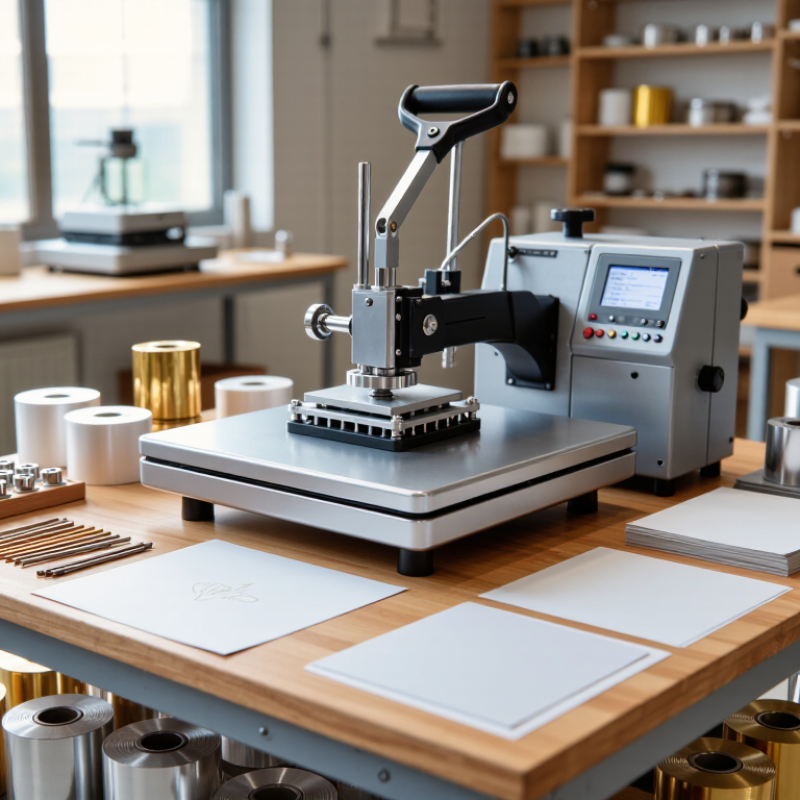
A hot foil machine transfers a thin metallic or colored film onto a surface using heat, pressure, and a shaped die. The die carries the design, while the foil sits between it and the material. When the heated die presses down, a release layer lets the decorative coating adhere to the chosen area. The carrier film is then lifted away. The result can be a crisp logo on a paper box or a small title on a book cover. Simple in principle.
In practice, the finish depends on several settings working together. Temperature affects how readily the coating releases; pressure helps the die make even contact. Dwell time, the length of the press, matters too. Too little heat or pressure may leave gaps. Too much can blur fine details or mark delicate stock. Test pieces are useful, especially when changing materials, foil, or artwork. A setting that works on coated card may not suit textured paper or leather.
Machine choice should reflect the work’s size, frequency, and level of detail. A small manual press may fit short runs and a compact workspace, while larger production often calls for more consistent control. Consider the platen area, adjustment range, and how quickly operators can change dies. Ask for a sample on your actual material when possible. It is easy to underestimate setup time; that part can be less predictable than the press itself.
Key Types of Hot Foil Machines for Business Use
Key Types of Hot Foil Machines for Business Use
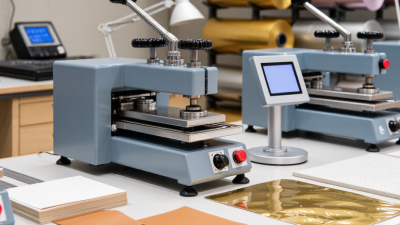
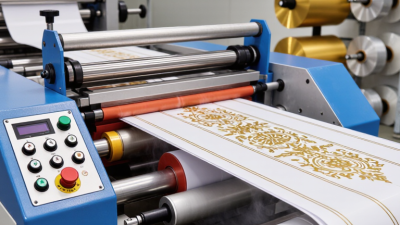
Choosing a hot foil machine starts with the work you produce. Manual machines suit small runs, occasional personalization, and workshops where hands-on control matters. They take more operator time, though. A flatbed press can handle cards, covers, and other flat stock with consistent pressure across the design. For long production runs, a roll-to-roll machine feeds continuous material and can reduce handling between pieces. If your jobs vary in size, a digital or semi-automatic model may offer faster setup, but check foil compatibility and the cost of tooling before buying.
Tips: Test the machine with your actual paper, foil, and artwork. A crisp sample on coated stock may look different on textured paper. Check the working area, heating range, pressure adjustment, and replacement-part availability. Keep a simple record of temperature and dwell time for each material. It saves guesswork later. One detail is easy to overlook: a machine that runs quickly may still slow your shop if setup or cleanup is awkward. Ask for a demonstration, and allow room in your decision for what you have not tested yet.
Factors to Consider When Choosing a Hot Foil Machine
What Is the Best Hot Foil Machine for Your Business?
Factors to Consider When Choosing a Hot Foil Machine
Choosing a hot foil machine starts with the materials and products you handle every day. Paper, leather, and coated surfaces can respond differently to heat and pressure. Check the machine’s working area against your largest planned item, not just your most common one. A small platen may suit labels but make larger covers awkward. Temperature stability, adjustable pressure, and clear controls also matter. They help operators repeat a result without guessing.
Tips: Test your actual materials before buying. Ask for a sample run, and note the foil, temperature, pressure, and dwell time. Keep a simple record; small changes can affect the finish. Also check how quickly the machine heats up and whether routine cleaning is straightforward.
Think about output, too. A compact unit may be sensible for short runs, while frequent orders may need a larger working area or faster changeovers. Consider operator training, available workspace, maintenance access, and the clarity of safety instructions. A machine that looks efficient on paper may still slow a small team during setup. I would not choose by speed alone; difficult adjustments can waste material. Compare realistic job samples, operating costs, and support options before deciding. There is no single best machine for every shop.
Comparing Hot Foil Machines by Production Needs and Budget
A hot foil machine should match your real order mix, not an idealized production target. Smithers’ The Future of Global Printing to 2028 forecasts worldwide print market value reaching $834.3 billion in 2028. That broad figure signals a large print sector, but it does not predict foil demand at your shop. Start with your own weekly job count, sheet size, substrate, and acceptable setup time. Small runs? Keep it simple. A manual press may suit short batches, prototypes, and occasional personalization, where lower purchase cost matters more than speed. For steady mid-volume work, a semi-automatic machine can reduce repetitive handling without requiring a full production line.
At higher volumes, an automatic press may improve consistency and throughput, but the purchase price is only part of the budget. Include dies, foil, make-ready sheets, operator time, maintenance, and floor space. Ask suppliers to run your actual stock and design, then record usable impressions per hour—not just the headline speed. Check registration on fine lines and solid areas. One overlooked cost is spoiled material during setup. I’d compare three scenarios: current output, a realistic growth case, and a quiet-month case. That estimate will still be imperfect; demand can shift, and quoted speeds rarely capture every job change. Choose the machine whose verified performance fits your workload and cash flow.
What Is the Best Hot Foil Machine for Your Business?
Comparing typical production capacity by machine type
These approximate planning figures illustrate how capacity generally increases from manual to automatic equipment. Actual output depends on the machine, job size, material, setup time, and operator experience. Match capacity to your expected order volume and budget.
Assessing Maintenance, Safety, and Long-Term Value
Choosing the best hot foil machine starts with maintenance, not appearance. A dependable machine should allow quick access to rollers, heating elements, and foil guides. Ask how often these parts need cleaning and adjustment. Look for clear service instructions and replaceable components. Maintenance becomes manageable when daily checks take only a few minutes. Keep spare wear parts nearby.
Safety deserves equal attention. The heated die and moving roller can cause serious injuries without proper guarding. A stable frame, insulated handles, emergency shutoff, and visible temperature controls reduce avoidable risks. Operators should receive practical training before handling heated components. In a busy workshop, loose sleeves and scattered foil create real hazards. That detail matters.
Long-term value depends on consistency, energy use, and service support. A lower purchase price may become expensive when heating varies or alignment drifts. Calculate setup time, rejected pieces, routine servicing, and expected operating hours. I have seen teams underestimate downtime because the machine looked simple. Still, a machine can remain useful for years when cleaned correctly and used within its rated capacity. A practical trial helps. Record warm-up time, pressure stability, noise, and adjustment effort. These notes reveal weaknesses that promotional claims often hide. Reconsider the purchase if operators struggle during a basic test.