7 Best Hot Stamping Printing Suppliers for Global Buyers
Choosing a dependable Hot Stamping Printing supplier can shape a product’s first impression. Gold foil on a rigid box catches light sharply. A clean logo on a book cover suggests control and care. Yet visual appeal alone cannot prove supplier quality.
David Zwang, a respected printing-industry consultant, has said, “Finishing is where print becomes a product.” His view reflects a practical truth. Foil selection, die pressure, temperature, and substrate compatibility affect the final result. Small errors can create broken lines, weak adhesion, or uneven metallic coverage. These defects often appear after production, not during a quick sample review.
This guide, “7 Best Hot Stamping Printing Suppliers for Global Buyers,” examines suppliers through practical purchasing criteria. It considers equipment capability, material range, color consistency, sampling quality, production communication, and export experience. It also looks at certifications, packaging protection, lead times, and after-sales support. A supplier may offer impressive machinery but still struggle with clear communication. Another may provide attractive prices but limited quality control.
No shortlist is perfect. Buyer requirements differ widely. A luxury cosmetics brand may value micro-detail and premium foil effects. A stationery company may prioritize repeatability and flexible minimum order quantities. Global buyers should request physical samples, confirm tolerances, and review recent project evidence before making a decision. This guide is a starting point, not a substitute for technical verification. Careful comparison can reduce surprises and support a more reliable Hot Stamping Printing partnership.
Hot Stamping Printing Explained: Foil, Heat, Pressure, and Finish Types
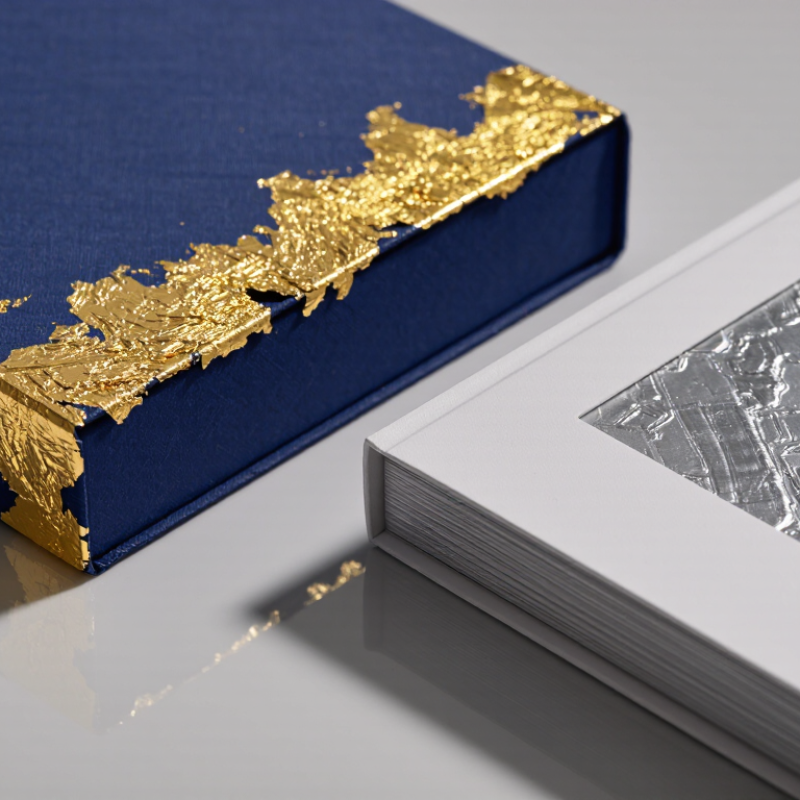
Hot stamping printing uses a heated die to transfer metallic or colored foil onto a surface. The die presses the foil against paper, board, plastic, or coated material. Heat activates the foil’s adhesive layer, while pressure creates a clean bond. Pressure makes it bond. Unlike ordinary ink, stamped areas often feel slightly raised and sharply defined.
Foil selection changes the visual result. Metallic foil reflects light like polished aluminum, while pigment foil gives solid color with less shine. Holographic foil creates shifting patterns under movement. Matte, satin, glossy, and textured finishes suit different packaging styles. On a dark box, bright gold foil may look strong, but fine letters can lose clarity. A small detail matters. The substrate must be tested before production.
Reliable suppliers should control temperature, dwell time, pressure, and die alignment. These settings vary with foil type and substrate thickness. In practical sampling, I would inspect fine text, corners, adhesion, and surface scratches under direct light. I would also request samples from the actual production material. A digital proof cannot show foil behavior accurately. Some defects appear only after stacking or transport. That is where specifications need another review. A supplier’s technical records, repeatability tests, and response to failed samples reveal more than a polished catalog.
Supplier Selection Metrics: 90–180°C Foil Temperatures and 10–50 m/min
When comparing hot stamping printing suppliers, I begin with their process data, not attractive samples.
A reliable supplier should clearly report foil temperatures between 90–180°C and production speeds from 10–50 m/min. These figures reveal whether the equipment suits short runs, packaging work, or continuous industrial output.
Temperature control matters because foil adhesion changes with substrate, coating, and pressure. At 90–120°C, heat-sensitive films may retain better surface quality. Heavier paper or textured board may require 140–180°C.
Speed also affects dwell time. At 50 m/min, inconsistent heating can create dull patches, weak transfer, or pinholes. Ask for test records showing temperature stability, pressure settings, line speed, and rejected units. Photos alone are insufficient.
I prefer suppliers that test using the buyer’s actual material. Request a live trial, retained samples, and measurements from several points across the roll. Small variations matter. A supplier may claim 50 m/min, yet deliver acceptable results only at 25 m/min. That difference should be documented, not hidden.
I also check operator training, maintenance logs, ventilation controls, and material traceability. No metric is perfect. A lower temperature is not always better, and maximum speed can reduce visual consistency. The best evaluation leaves room for doubt, retesting, and practical adjustment before purchase.
Seven Supplier Profiles: Equipment, Materials, Certifications, and Markets
Global buyers can assess seven hot stamping printing supplier profiles through equipment, materials, certifications, and market experience. One supplier specializes in pneumatic stamping presses for cartons and labels. It commonly handles foil rolls, holographic films, and coated paper. Its ISO 9001 certificate should be checked against the current issuing body.
Another supplier focuses on servo-driven machines for cosmetic packaging. It offers precise pressure control and supports metallic, pigment, and clear foils. Its export experience covers Southeast Asia and the Middle East. Ask for recent test samples, not only production photographs.
A third supplier builds compact machines for small print shops. It works with paperboard, leather alternatives, and synthetic sheets. Its electrical safety documents may suit regional requirements, but buyers must confirm local acceptance. Small equipment can still create serious maintenance demands.
A fourth supplier mainly distributes stamping foils and adhesive primers. Its strength is color matching across repeated orders. Markets include commercial printing and premium stationery. Request storage guidance, because humidity can affect foil release.
A fifth supplier develops recyclable packaging materials with low-temperature stamping layers. It serves food packaging converters and pharmaceutical packaging manufacturers. Environmental claims need test reports and clear material declarations. Marketing language can be vague.
One integrated supplier provides presses, dies, foils, and operator training. It supports buyers in Europe, Africa, and South America. Certifications may include quality management and restricted-substance compliance, but documents should be independently verified.
The final profile is an engineering partner for high-volume converters. It supplies automated lines, custom tooling, and remote diagnostics. Its market record may look impressive, yet response times after installation deserve careful questioning. Trial runs reveal more than polished brochures.
Global Buyer Comparison: MOQ, Lead Time, Foil Width, and Waste Rate
7 Best Hot Stamping Printing Suppliers for Global Buyers
Global Buyer Comparison: MOQ, Lead Time, Foil Width, and Waste Rate
When comparing seven hot stamping suppliers, MOQ often reveals their production flexibility. Some accept 500 units, while others require 5,000. A low MOQ helps test packaging, but unit costs may rise. Lead time also needs careful checking. Standard orders may ship within 10 to 18 working days. Custom dies, metallic colors, or overseas inspections can add another week. Ask whether the quoted lead time includes sampling, approval, and final packing.
Foil width affects both design freedom and material efficiency. Suppliers supporting 64-millimeter rolls may suit small labels. Wider rolls can reduce setup changes for cartons and large panels. However, wider is not always better. Poor nesting can increase unused foil. In my production reviews, waste rates below 8% were achievable with stable artwork and accurate registration. Complex layouts sometimes exceeded 12%. That difference can quietly damage margins. Some estimates also exclude startup waste, which deserves attention.
Tips: Request a physical sample, not only photographs. Confirm MOQ by size, color, and finish. Ask for waste data from a comparable job. Check whether lead time starts after deposit or artwork approval. I would also test foil adhesion after rubbing and folding. A supplier may look reliable on paper, yet small registration shifts can appear during mass production. That happened in one trial. The specification was correct, but the artwork needed better spacing.
7 Best Hot Stamping Printing Suppliers for Global Buyers
Global buyer comparison of MOQ, lead time, foil width, and production waste rate.
Each bubble represents an anonymous supplier profile based on commonly quoted commercial production ranges.
The horizontal axis shows minimum order quantity, the vertical axis shows estimated production lead time,
bubble size represents maximum foil width, and the color indicates estimated material waste rate.
Lower MOQ, shorter lead time, and lower waste rate generally provide greater flexibility for global buyers.