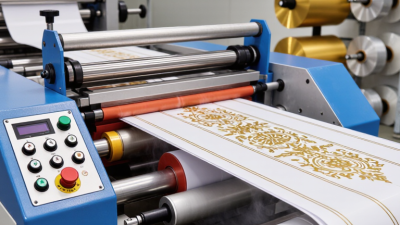
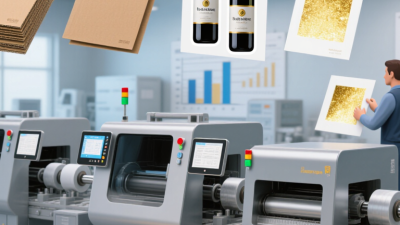
Why Choose a Foil Machine for Packaging?
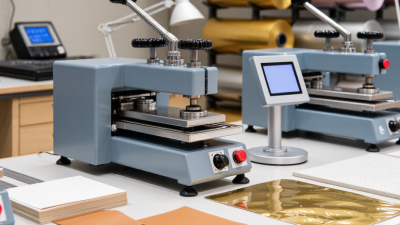
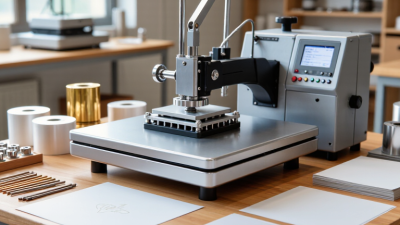
Packaging decisions shape product protection, shelf appeal, and daily production work. A Foil Machine can help create packages with a metallic finish, a sealed foil layer, or both, depending on its design. That distinction matters. Foil stamping equipment decorates a surface, while foil-forming and sealing systems handle different packaging tasks. Buyers should confirm the machine’s actual process before comparing models.
A well-matched system may support consistent presentation, controlled material use, and repeatable production. Operators should check foil compatibility, package dimensions, sealing requirements, changeover time, and cleaning access. Ask for a demonstration using your own material; sample results can reveal wrinkles, weak seals, or alignment problems that brochures rarely show. The machine is only one part of the process. Dies, temperature settings, operator training, and routine maintenance also affect results.
There is no universal best choice. Small runs may need flexibility more than speed, while larger operations may value stable output and easier integration. A higher purchase price does not automatically mean better value. Energy use, spare parts, downtime, and service availability deserve attention too. And some details get missed. A machine can look impressive in a showroom yet prove awkward beside an existing line. This guide looks at the practical reasons to choose a Foil Machine, the questions to ask suppliers, and the trade-offs worth reviewing before purchase.
What Is a Foil Packaging Machine?
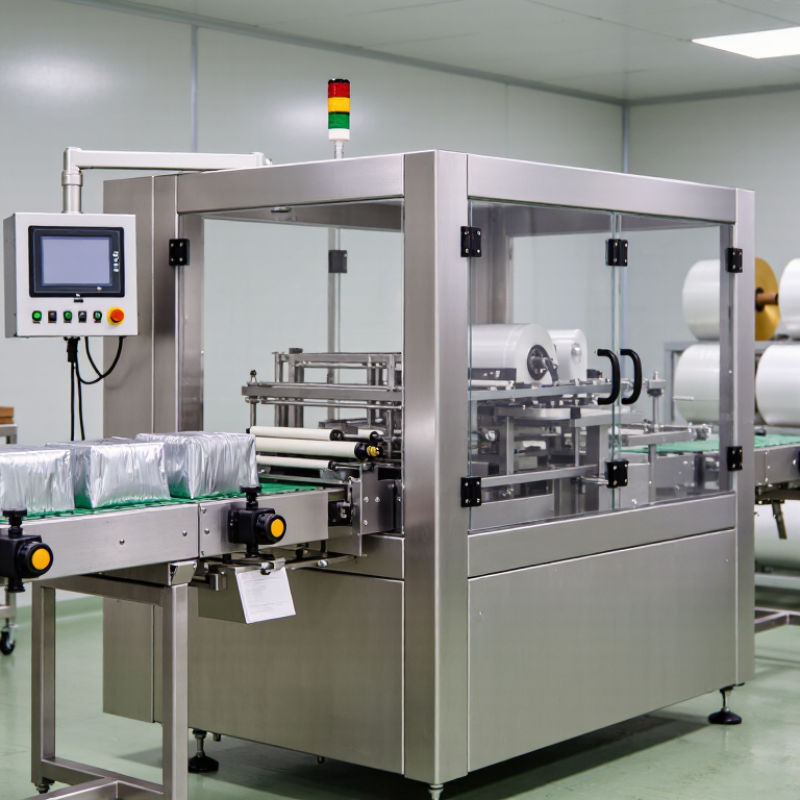
A foil packaging machine is equipment that forms, fills, or seals packages made with aluminum foil or foil-containing laminate. It may feed flat lidding material over trays, wrap products in foil, or seal preformed pouches. The exact job depends on the package format and product. Not every machine handles every foil structure.
On a tray-sealing line, a roll of printed laminate unwinds through tension rollers. A forming station shapes the tray, then a heated plate presses the lid into place. Operators adjust temperature, pressure, and dwell time to suit the material. Small changes matter: excess heat can wrinkle the film, while weak seals may leak. There is a trade-off. Faster output can leave less time for inspection.
The scale of the sector helps explain the equipment’s role. The Flexible Packaging Association’s 2023 State of the U.S. Flexible Packaging Industry report put U.S. flexible-packaging sales at $42.9 billion in 2022, or about 21% of the packaging market by value. Those figures cover flexible packaging broadly, not foil machines alone. When assessing a machine, buyers should check compatible laminate structures, seal consistency, changeover time, and cleaning access. A specification sheet can look reassuring; real production trials may still reveal awkward adjustments.
How Does a Foil Packaging Machine Work?
A foil packaging machine converts a roll of flexible packaging material into sealed packs. The exact process depends on whether it makes pouches, wraps products, or seals trays. In a typical pouch line, rollers unwind the laminated foil film and guide it through forming collars. The film takes shape around a tube or product before the machine seals its edges.
A measured portion of product enters each pouch. Heated jaws then press the film together for a set time, creating top and bottom seals. Temperature, pressure, and dwell time must suit the material; too much heat can wrinkle or weaken it, while too little may leave a poor seal. Sensors help track film position and detect interruptions. Small details matter. A dusty sealing area, uneven film tension, or a change in product temperature can affect pack consistency.
Operators usually check seal appearance and pouch dimensions during setup, then adjust settings as needed. Some machines also print dates or cut finished packs apart. Foil layers can help limit exposure to light, moisture, or oxygen, but performance depends on the full packaging structure and seal quality. There is a catch: a machine cannot compensate for unsuitable film or careless setup. The first test packs may need closer inspection than expected.
Why Choose a Foil Machine for Packaging? How Does It Work?
A typical flexible foil-laminate packaging line feeds and registers the material, forms the package, fills it, heat-seals it, and cuts it for discharge. The bars show the order of these steps—not measured time or machine performance. Exact workflows vary by package and machine.
Which Materials and Products Can It Package?
A foil packaging machine may work with aluminum foil, foil-paper laminates, or foil bonded to plastic films. The exact material depends on the machine’s sealing method, temperature range, and feed system. Check the laminate structure and thickness before production. A material that looks suitable may wrinkle, tear, or form a weak seal. Not every line can handle every roll.
These machines can package products in pouches, sealed trays, or blister packs, depending on their design. Common examples include coffee, dry snacks, powdered ingredients, and heat-sensitive foods. Some configurations also seal trays for prepared meals or package tablets in formed blisters. Product size and shape matter: fine powder can collect near a seal, while sharp edges may puncture thin film. A small test run helps reveal issues before full production. Check whether the finished pack needs a strong moisture, light, or oxygen barrier, and confirm that the chosen material suits the product. The trade-off is real: thicker foil laminates may offer added protection, but they can cost more and require different sealing settings.
What Are the Benefits of Foil Packaging?
Why Choose a Foil Machine for Packaging?
What Are the Benefits of Foil Packaging?
Foil packaging can protect products from light, oxygen, moisture, and outside odors. That barrier helps preserve flavor and texture in coffee, snacks, and other sensitive goods. A well-made seal matters just as much. If the seal wrinkles or leaks, the barrier cannot do its job. Foil packs are also lightweight and easy to shape, which can reduce transport weight compared with rigid containers. There is a trade-off: some foil laminates combine several materials, making recycling difficult.
The International Aluminium Institute reports that producing recycled aluminium takes about 5% of the energy required for primary aluminium. This supports foil’s potential value in recycling streams, but it is not a guarantee that every foil pouch will be recyclable. Local collection systems and package design matter. A foil machine helps control forming, filling, and sealing, reducing inconsistent seams and avoidable material waste. Still, setup takes care; even a small temperature change can affect seal quality.
Tips: Test seals with the actual product and film before full production. Check barrier needs, machine settings, and local recycling guidance. Small trials help.
How Do You Choose the Right Foil Machine?
Why Choose a Foil Machine for Packaging?
How Do You Choose the Right Foil Machine?
Choose a foil machine based on your packaging material and production needs, not just its advertised speed. Check the substrate, coating, and available sealing area. Pouch film may need different heat and pressure settings than coated paperboard. Measure your largest package and confirm the machine can handle its width. Estimate normal output, peak shifts, and changeover frequency. A fast machine may still slow production if setup takes too long.
Ask for a trial using your actual packaging material and foil. Check that small text stays crisp and edges adhere evenly. Record temperature, pressure, dwell time, and line speed; small adjustments can change the finish. Also check registration accuracy, operator controls, safety guarding, cleaning access, spare parts, and service support. Treat documented specifications as a starting point, then verify them in a sample run. Speed figures alone can be misleading.
Tips: Bring samples with both fine lettering and a large solid area. Test repeat runs after a changeover, not just one perfect sheet. Allow time and budget for training and routine maintenance. Some setup scrap is normal; unexplained variation is not. A simple settings log can help operators spot drift before rejects build up.