Leave Your Message

Top 10 Industrial Printing Machine Types for Global Buyers

Choosing the right printing equipment can shape production speed, product quality, and long-term operating costs. Global buyers often compare more than machine prices. They examine substrates, ink systems, automation levels, energy use, and after-sales support. This guide introduces ten major industrial printing machine types for different manufacturing environments.

The Printing Machine Industrial market includes offset, flexographic, gravure, digital, screen, pad, rotogravure, letterpress, textile, and large-format systems. Each machine solves a different production problem. Offset machines can deliver sharp images across large paper volumes. Flexographic presses suit packaging films, labels, and corrugated materials. Digital presses offer shorter runs with quicker design changes. Screen and pad printers remain useful for irregular surfaces, containers, and technical components.

Real purchasing decisions require practical testing. A machine may claim high output, yet material changes can reduce effective speed. That matters. Buyers should request sample runs using their own substrates, inks, artwork, and finishing requirements. They should also inspect cleaning procedures, spare-part availability, operator training, and documented safety certifications. Supplier experience matters, but independent performance records matter more.

No machine fits every factory. A low purchase price may hide expensive downtime, waste, or specialized maintenance. Conversely, advanced automation may exceed the needs of a smaller operation. This article helps buyers compare capabilities carefully, question impressive specifications, and connect equipment choices with measurable production goals. Some recommendations may still require revision after testing real materials. That is a useful limitation, not a weakness.
Top 10 Industrial Printing Machine Types for Global Buyers

Industrial Printing Machines: Scope, Functions, and Main Categories

Industrial printing machines cover far more than paper production. Their scope includes packaging, labels, textiles, metal sheets, glass, plastics, and product components. In production audits, I evaluate substrate handling, print accuracy, drying control, speed, and maintenance access. A machine may print sharp images, yet fail when humidity changes or materials warp. The substrate decides much of the result.

Digital inkjet systems suit variable data, short runs, and fast design changes. Flexographic presses support high-volume packaging with efficient roll-to-roll production. Gravure equipment delivers consistent color across long runs but requires prepared cylinders.

Offset machines remain useful for detailed sheet printing. Screen printers handle dense ink layers on many surfaces. Pad printing reaches curved or uneven parts. Thermal transfer units support durable codes and labels. These categories often overlap in real factories.

Buyers should compare print width, resolution, registration tolerance, drying method, and hourly output. Check whether operators can clean printheads without long downtime. Also measure ink consumption, ventilation needs, waste, and energy use.

Food-related packaging may require controlled ink selection and documented process checks. For rigid parts, fixtures can matter more than advertised speed. A perfect shortlist is rare. I once prioritized maximum speed and underestimated setup losses. That mistake changed my evaluation method. Production trials reveal weaknesses that specification sheets often hide.
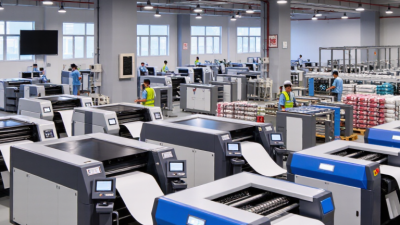
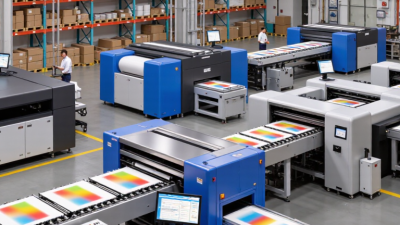
The Top 10 Industrial Printing Machine Types Explained

The Top 10 Industrial Printing Machine Types Explained

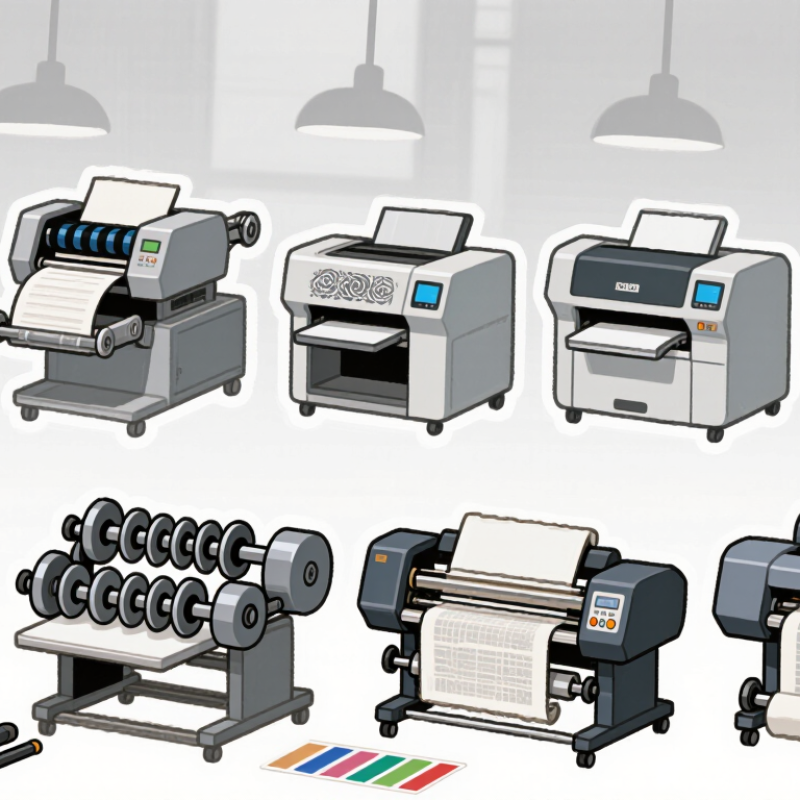
Industrial buyers usually compare speed, substrate range, automation, and running cost. Sheet-fed offset machines deliver sharp, stable color for commercial sheets and folding cartons. Web offset presses suit newspapers, books, and long paper runs. Flexographic presses print efficiently on films, labels, corrugated board, and flexible packaging. Gravure machines remain strong for extremely long runs, although cylinder preparation can be expensive.

Digital inkjet presses support short runs, variable data, and quick design changes. Digital toner presses provide strong detail for premium documents and personalized packaging. Screen printing machines deposit thick ink layers on textiles, glass, metals, and electronics. Pad printing machines transfer images onto curved or irregular parts. Large-format UV printers produce durable graphics on rigid boards, signs, and architectural panels. Industrial 3D printers build functional parts layer by layer, using polymers, metals, or composites.

Smithers’ Future of Digital Print for Packaging to 2028 identifies packaging as a major growth area for digital printing. Its analysis highlights shorter runs and version control as important purchase drivers. Grand View Research also reports continued expansion in large-format printing, supported by retail displays and signage demand. These figures need careful reading. Forecasts vary by region, currency, and machine definition.

A practical test matters more than a brochure. Run the buyer’s actual film, board, ink, and artwork. Check waste during startup. Measure cleaning time. A faster machine can still lose money when changeovers are slow. That detail is often missed.

How Printing Methods Match Materials, Products, and Production Needs

Choosing an industrial printing machine starts with the material, not the machine. Sheetfed offset suits coated paper and long-run cartons, while web offset handles high-volume newspapers, inserts, and flexible paper products. Flexographic presses work well on films, labels, corrugated board, and foil. Gravure delivers consistent color on very long packaging runs, but cylinder preparation increases setup cost. Screen printing builds thick ink layers for glass, metal, textiles, and industrial panels. Pad printing reaches uneven surfaces, such as molded plastic parts.

Digital toner presses support short paper runs and variable data. Industrial inkjet systems print directly onto cartons, signs, wood, and selected plastics with limited setup. UV inkjet cures ink quickly, which helps non-absorbent substrates, although adhesion testing remains essential. Dye-sublimation transfers images into polyester fabric, rather than simply coating its surface. That difference matters for flags, backdrops, and sportswear.

Smithers estimates the global digital print for packaging market will grow from about 22.0 billion dollars in 2023 to 36.9 billion dollars by 2028. The report points to shorter runs, versioned packaging, and faster product changes as major drivers. Production trials often expose the uncomfortable details: static affects film feeding, textured board weakens image sharpness, and dark substrates may require white ink. A machine can pass a showroom test and still fail during a twelve-hour shift. Material moisture, curing energy, drying space, and operator skill deserve equal attention.

Key Performance Factors: Speed, Resolution, Capacity, and Automation

Top 10 Industrial Printing Machine Types for Global Buyers

Industrial printing machines include inkjet, flexographic, gravure, offset, screen, pad, UV flatbed, textile, label, and corrugated printers. Each type serves different materials, volumes, and finishing requirements. Speed is not everything. A fast machine may create more waste when calibration is unstable or drying is slow.

Resolution should match the product, not merely the brochure number. Fine text, small barcodes, and detailed images require consistent dot placement and accurate registration. During equipment evaluations, request test prints using your actual substrates. Inspect edges under magnification. Capacity needs evidence. Check roll width, sheet size, ink storage, drying power, and continuous operating hours. A machine rated for large volumes may still require frequent manual loading.

Automation can reduce operator errors through automatic cleaning, color control, job setup, and fault alerts. However, complex software may demand better training and maintenance discipline. Ask how quickly operators can change jobs and recover from a nozzle failure. Speed should be measured with real production data, including setup and cleaning time. This is often overlooked. Total output matters more than peak speed.

Reliable buyers also review service access, spare-part availability, energy use, and safety controls. A simple workflow may outperform advanced automation in a small facility. The compromise is real. Choose measurable performance over impressive specifications, and record every test result before making a final decision.

Global Buyer Criteria: Cost, Compliance, Service, and Supplier Support

For global buyers, industrial printing machines should be judged beyond the purchase price. The main options include flexographic, gravure, offset, screen, pad, inkjet, thermal transfer, laser, UV, and 3D printing systems. A 2024 Smithers report identifies continued growth in industrial digital printing, driven by shorter runs, variable data, and faster product changes. That growth does not remove cost pressure. It changes it.

Calculate total cost over five years. Include ink, plates, printheads, electricity, ventilation, training, maintenance, and waste. A cheaper machine may consume more solvent or require frequent alignment. Request sample-job testing with your actual substrate, speed, resolution, and color targets. Small details matter. No quote is complete without downtime assumptions.

Compliance must cover emissions, electrical safety, chemical handling, labeling, and regional documentation. Ask for conformity records, safety data sheets, guarding details, and software-security controls. Service support is equally practical. PMMI industry research repeatedly links equipment uptime with supplier response, operator training, and spare-parts availability. Require response-time commitments, remote diagnostics, local technicians, and a parts list with delivery estimates. Supplier support should include commissioning, preventive-maintenance schedules, and documented troubleshooting.

Regional conditions can expose weak planning. A humid warehouse may affect ink adhesion. A distant service center may turn one failed sensor into three lost production days. Buyers should score suppliers transparently, but the scoring model will never be perfect. Review it after installation. That uncomfortable review often reveals the real cost of ownership.