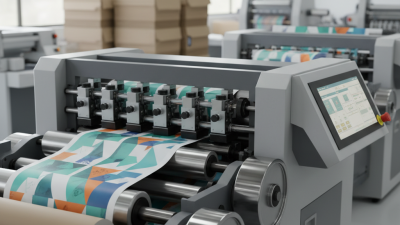
What Are the Top Machine Printing Solutions in 2026? The answer depends on production goals, not marketing claims. Modern Machine Printing now includes high-speed inkjet, electrophotographic presses, flexographic systems, hybrid platforms, and direct-to-object equipment. Each solution handles different materials, volumes, and finishing requirements. A label converter may need fast color changes, while a packaging plant may value substrate flexibility and low waste.
Industry data supports this broader view. Smithers’ Future of Global Printing to 2028 describes continued growth in digital print, supported by shorter runs, versioned packaging, and on-demand production. Its analysis also highlights pressure on printers to improve productivity and reduce material consumption. The 2024 drupa Global Trends report shows that print companies are prioritizing automation, workflow integration, and operational efficiency. These findings make connected equipment increasingly important in 2026. A press that reports downtime, monitors ink usage, and links with prepress software can protect margins more effectively than a faster machine alone.
The caveat matters. A neat ranking would be convenient, but it would also be misleading. Real production is messier. Dust, humidity, operator training, and inconsistent substrates can change results within one shift. Buyers should compare verified samples, measured uptime, maintenance response, energy data, and total ownership costs. The best Machine Printing solution is not always the newest model. It is the system that delivers stable color, predictable output, safe operation, and profitable performance in a specific factory. Some forecasts may also overestimate adoption, so practical testing remains essential.
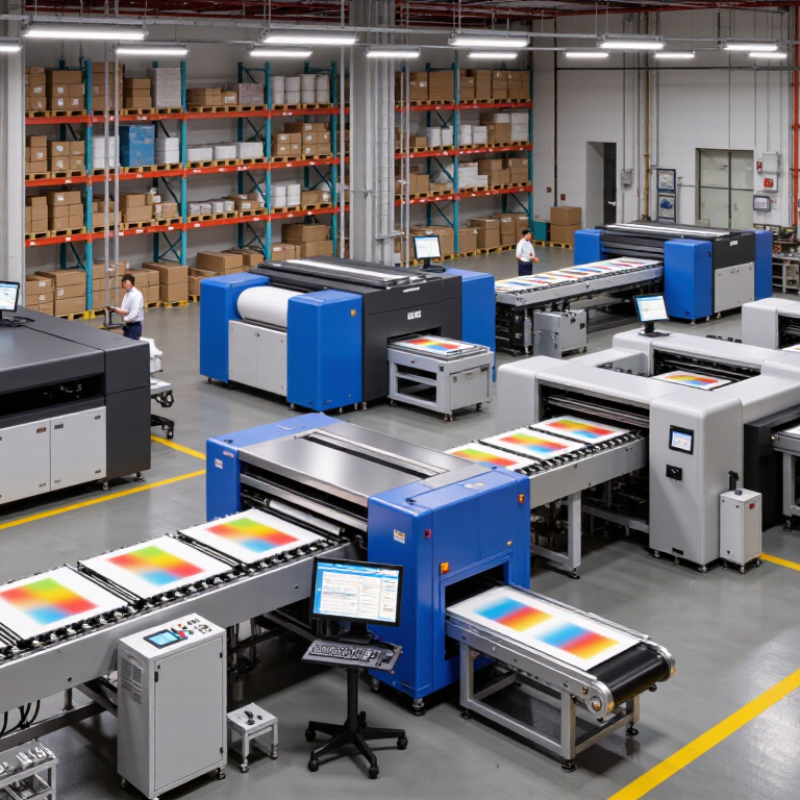
Machine printing refers to automated systems that place text, codes, images, or measurements onto products and materials.
In 2026, leading solutions include inkjet, thermal transfer, laser, and digital label printing. Each method suits different production conditions.
Inkjet handles fast-moving packaging lines. Thermal transfer creates sharp marks on flexible films and labels.
Laser systems produce durable identification without ink. Digital printing supports short runs and frequent design changes.
These technologies serve food packaging, electronics, pharmaceuticals, logistics, textiles, and industrial parts. A factory may print expiry dates on cartons, serial numbers on metal housings, or tracking codes on shipping labels.
Selection depends on surface, speed, contrast, cleaning needs, and operating costs.
From practical testing, print quality often changes with humidity, dust, and material texture. That detail is easy to underestimate. No single machine is best for every application.
Tips:
Test samples using real production materials. Check readability after rubbing, heat, moisture, and storage.
Measure maintenance time, not only purchase cost. Operators should receive clear training and follow documented inspection routines.
A readable code is useful only when it remains accurate throughout handling.
In some facilities, a simpler system may prove more reliable than a feature-rich option. That is worth questioning before installation.
When comparing machine printing solutions in 2026, start with the production environment. A clean laboratory test rarely reflects dust, vibration, humidity, or uneven surfaces. In factory audits, I examine print clarity after several hours, not after one perfect sample. Speed matters, but stable output matters more. A system that pauses repeatedly can erase its advertised productivity.
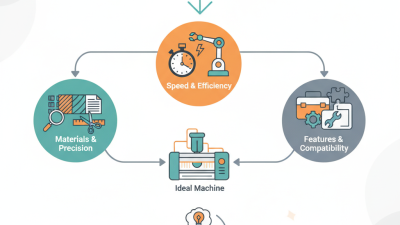
Check compatibility with your materials, including cardboard, film, metal, glass, and coated surfaces. Resolution should match the smallest text, barcode, or graphic required. Test real samples. Ask for measured results, not general claims. Operators also need practical controls, quick changeovers, and clear maintenance alerts. Small details often decide whether a line runs smoothly.
Total cost deserves careful attention. Include equipment, consumables, cleaning time, spare parts, energy use, training, and software integration. Remote monitoring can reduce service delays, but it must protect production data and user access. Sustainable features are useful when they reduce waste without lowering print quality. Sometimes, they do not. That needs honest testing.
Reliability should be verified through service records, warranty terms, response times, and independent user references. A supplier’s technical knowledge is valuable, yet documented evidence is stronger. Compare failure rates over comparable operating periods. Also consider future flexibility, because packaging formats and regulatory requirements can change quickly. The cheapest machine may become expensive when one new material requires a major upgrade.
Machine printing in 2026 is less about one universal winner and more about matching technology to production reality. Digital inkjet leads short runs, variable data, and rapid artwork changes. It prints directly onto coated film, paper, or rigid surfaces, reducing plate preparation and setup waste. Smithers’ report, The Future of Digital Print for Packaging to 2029, identifies digital packaging print as a strong growth area, driven by customization and shorter product cycles. The equipment still demands careful ink adhesion testing.
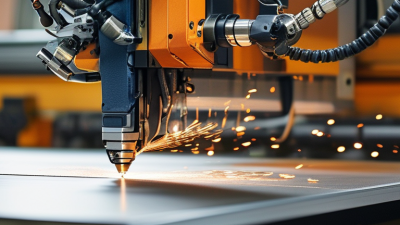
Laser printing offers sharp codes, serial numbers, and durable markings without physical contact. It suits high-speed inspection lines where traceability matters. Thermal transfer systems remain practical for labels and flexible packaging because they provide consistent contrast on narrow webs. Their strength is predictable operation, not creative flexibility.
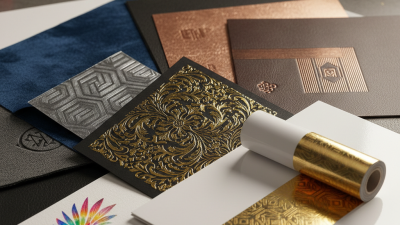
Flexographic printing remains efficient for long runs. It delivers stable color and fast output after plates and registration are correctly prepared. Screen printing produces thick, tactile layers, useful for functional coatings and visually strong finishes. Industrial 3D printing adds another path, creating fixtures, prototypes, and customized parts near the production floor. A 2024 report from Grand View Research valued the global 3D printing market at about 20.4 billion dollars in 2023, with continued double-digit growth projected. Forecasts can be optimistic. Real factories still face dust, operator training, curing limits, and maintenance delays. A practical evaluation should measure waste, changeover time, surface compatibility, and uptime—not just advertised speed.
Leading printing technologies are compared using a normalized 1–10 capability index. The scores reflect widely established process characteristics rather than company, brand, or market-share data.
How to read the chart: Digital inkjet and toner-based electrophotography are strongest for variable data and short production runs. Flexographic and gravure printing provide high throughput for long runs, while screen printing offers broad substrate compatibility and durable ink deposition.
Industrial printing decisions should begin with the production environment, not the printer’s feature list. Thermal inkjet systems suit porous packaging and moderate-speed lines. Continuous inkjet printers handle curved surfaces, fast conveyors, and variable product spacing. Laser marking provides durable identification on metal, glass, and certain plastics, but it needs careful surface testing. Thermal transfer works well for flexible films, labels, and clear batch information.
Material, speed, and maintenance often decide the best solution. A beverage line may need rapid, contactless coding near moisture. A metal parts factory may value permanent marks that survive heat and abrasion. Check print contrast under actual lighting. Test adhesion after washing, rubbing, and temperature changes. Small trials prevent expensive installation mistakes.
Tips: Measure the line speed before selecting a printer. Confirm ink or ribbon compatibility with the substrate. Review cleaning intervals, operator training, and spare-part access. Ask for sample prints from your own materials. Also check data integration, inspection cameras, and traceability requirements. No option is perfect. Teams sometimes choose maximum resolution when readable, durable text would be more practical. A quieter printer may still create downtime if maintenance access is poor. Evaluate the complete workflow, not only the printed mark.
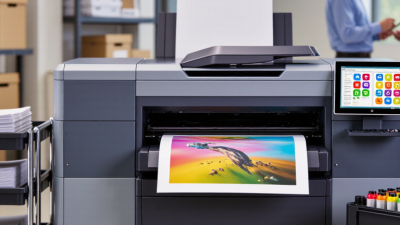
Machine printing solutions in 2026 are becoming smarter, more adaptive, and less dependent on manual adjustment. High-speed digital presses now combine variable data printing with automated color control. Sensors measure ink density, paper movement, and nozzle performance during production. Operators can correct drift before a full batch becomes unusable.
Artificial intelligence is also changing daily workflows. Vision systems inspect each sheet for missing text, blurred edges, and registration errors. Predictive maintenance tools study vibration, temperature, and printhead behavior. A warning may appear before a costly stoppage. Cloud dashboards help production teams compare waste rates across shifts, while edge processing keeps urgent decisions inside the factory.
Sustainability is shaping machine printing solutions just as strongly. Low-energy curing, recyclable substrates, and water-based inks are gaining practical attention. Compact robotic systems can load rolls, move finished stacks, and reduce repetitive handling. However, automation is not automatically efficient. Poorly calibrated sensors still create false alerts, and software upgrades can interrupt reliable routines. In my experience, the best results come from testing one production line carefully before expanding. Human judgment still matters.