What is a Packaging Printing Machine and How to Choose One?
Choosing the right Packaging Printing Machine can be a pivotal decision for any business. The global packaging market is projected to reach 1 trillion dollars by 2024, according to a recent industry report. This growth is driven by evolving consumer preferences and the demand for sustainable packaging. A suitable printing machine can enhance product appeal and increase efficiency in production.
When selecting a Packaging Printing Machine, it’s crucial to consider various factors. Speed, print quality, and technology types play significant roles. According to a survey by Smithers Pira, digital printing within the packaging sector is expected to grow by over 20% annually. However, investing in advanced machinery can be daunting. Companies must balance cost with their production needs.
Even experienced businesses face challenges in this area. Technology is changing rapidly. Some may invest in machines that quickly become outdated. Understanding these dynamics requires careful reflection. Evaluating market trends and machine specifications will provide valuable insights. The right decisions can lead to substantial growth and improved customer satisfaction.
What is a Packaging Printing Machine?
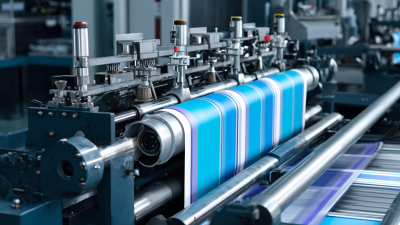
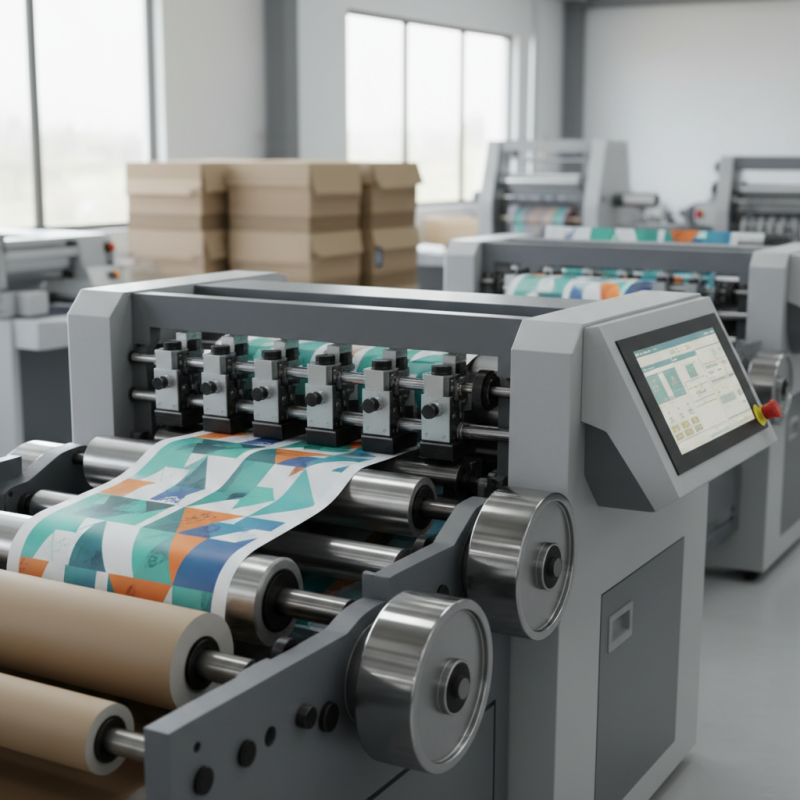
A packaging printing machine is a specialized device used to print graphics and text on packaging materials. These machines play a crucial role in various industries, including food, pharmaceuticals, and consumer goods. The global packaging printing market is projected to reach $500 billion by 2027, reflecting the growing demand for innovative and sustainable packaging solutions. This trend emphasizes the need for efficient and reliable printing technology.
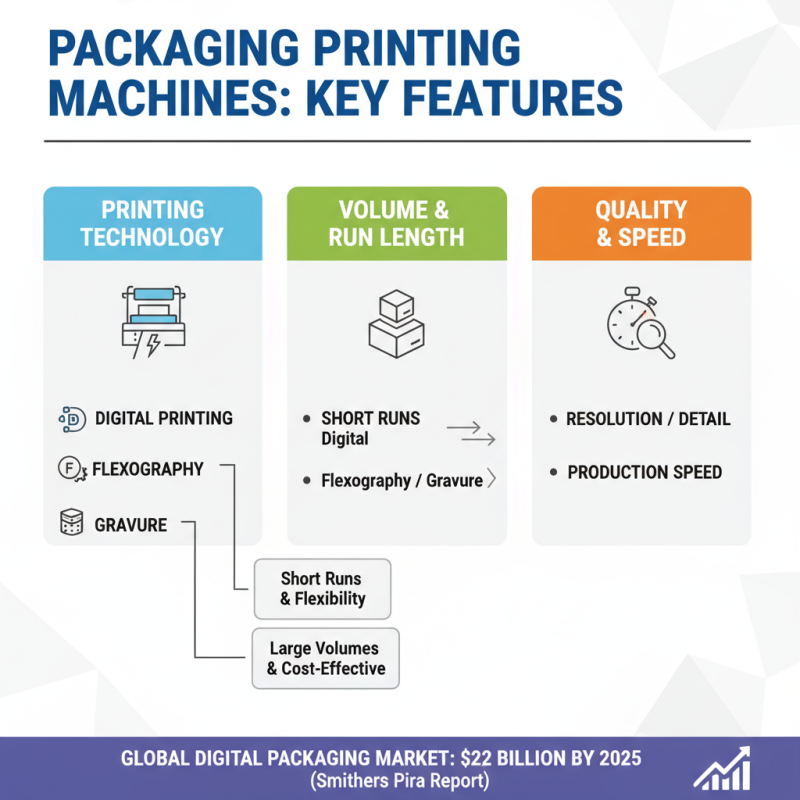
The key features of a packaging printing machine include flexibility, speed, and quality. Different printing methods, such as flexography, gravure, and digital printing, offer unique advantages. Flexography is known for its fast printing speed and is popular for large production runs. Gravure, on the other hand, excels in producing high-quality images, making it ideal for premium packaging. Digital printing is gaining traction for its ability to handle short runs and customization.
Despite these advancements, challenges remain in selecting the right machine. Factors like material compatibility, print resolution, and production volume are critical. A report from Smithers Pira highlights that 45% of companies struggle with integrating new technologies into their existing systems. Understanding these complexities can lead to better investment decisions and improved packaging quality.
What is a Packaging Printing Machine?
| Feature |
Description |
Considerations |
| Machine Type |
Flexographic, Gravure, Digital |
Choose based on printing volume and substrate compatibility |
| Print Speed |
Measured in meters per minute |
Match speed with production requirements |
| Print Quality |
Resolution measured in DPI (dots per inch) |
Higher DPI for detailed designs |
| Substrate Compatibility |
Various materials including paper, plastic, and fabric |
Ensure the machine can handle chosen materials |
| Cost |
Initial investment and operational costs |
Evaluate budget and ROI expectations |
| Maintenance |
Ease of maintenance and availability of parts |
Consider long-term support and service agreements |
| Technology |
Automated features and software integration |
Assess technological advancements and ease of use |
Types of Packaging Printing Machines Available
When choosing a packaging printing machine, understanding the types available is essential. Packaging printing machines vary greatly. Common types include flexographic, lithographic, gravure, and digital printing machines. Each type serves different purposes and has unique advantages.
Flexographic printers are ideal for high-volume jobs. They excel in printing on various substrates. This includes films, paper, and cardboard. Lithographic machines offer high quality, making them suitable for detailed designs. Gravure more commonly caters to high-quantity jobs, providing excellent color replication. Digital printers, however, are increasingly popular for short runs and personalization, allowing flexibility in print orders.
Here are some tips to consider. Assess your production volume and budget before you decide. Not all machines are necessary for every business. Understand the specific needs of your packaging. Also, consider the maintenance requirements. Sometimes, complex machines require frequent attention. Choosing wisely can save costs in the long run. Be aware, purchasing a printing machine is a long-term investment that requires careful planning and research.
Key Features to Consider When Choosing a Machine
When selecting a packaging printing machine, key features significantly influence productivity and quality. Consider the type of printing technology—flexography, gravure, or digital printing. Each method has its advantages. Digital printing, for instance, excels in short runs and offers design flexibility. Flexography, on the other hand, is cost-effective for larger volumes. According to a recent report by Smithers Pira, the global digital printing market for packaging is projected to reach $22 billion by 2025.
Additionally, evaluate the machine’s speed and efficiency. High-speed machines can dramatically increase output but may come with a steeper learning curve. Look for models that offer automation features. These add reliability and reduce the risk of human error. A comprehensive report from IDC highlights that automation can boost productivity by up to 30%.
Tip: Always assess the maintenance needs of a machine. Inadequate support can lead to unexpected downtimes. Investing in a machine with a strong service network may prevent future headaches. Remember, the right machine should align with your production goals and should be adaptable to future trends. Balancing your current requirements with potential growth will help in making a more informed choice.
Factors Influencing the Cost of Packaging Printing Machines
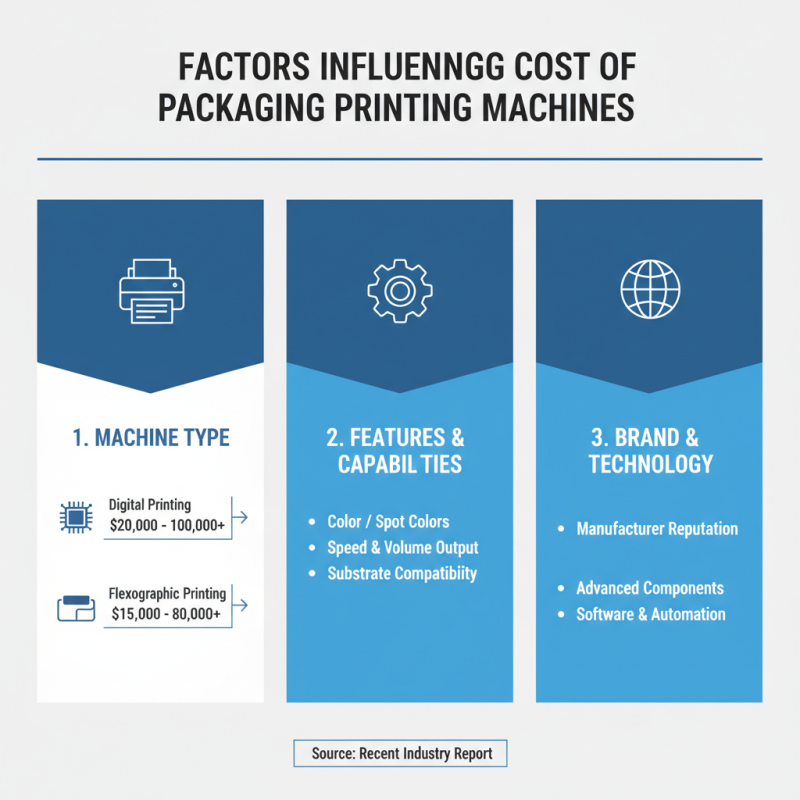
When considering a packaging printing machine, the cost is a crucial factor. Various elements influence pricing. A primary consideration is the type of machine. Digital printing machines often have higher upfront costs compared to flexographic or offset printers. According to a recent industry report, digital printers can cost anywhere from $20,000 to over $100,000. Flexographic machines, on the other hand, typically range from $15,000 to $80,000, making them more accessible for smaller businesses.
Another key factor is the machine's capabilities. Higher-speed production lines dramatically increase prices, as they tend to be engineered for efficiency and sustainability. A study by Smithers Pira showed that packaging printing machines with enhanced speed features can add up to 30% to the overall budget. Maintenance and operation costs are also vital to consider. An inexpensive machine might not be cost-effective in the long run due to frequent repairs or high energy consumption. In fact, energy-efficient models can reduce operational costs by up to 50%, presenting a long-term advantage despite their initial price.
Lastly, the level of automation plays a significant role. Fully automated systems come with a much steeper price tag. However, they can significantly reduce labor costs and minimize human error. Reports indicate that semi-automated machines can balance affordability and efficiency, making them an attractive option for mid-sized companies. There’s no one-size-fits-all approach; each buyer must weigh their specific needs against these factors.
Top Brands and Manufacturers in the Packaging Printing Industry
In the packaging printing industry, choosing the right machine is crucial. Major brands dominate the market due to their innovative technology and reliability. Recent studies suggest that over 80% of companies prefer equipment from well-known manufacturers, driven by performance and customer support. Statistics show that global packaging printing is projected to reach $500 billion by 2025, indicating robust growth.
When exploring different manufacturers, it’s essential to consider machine types. Flexographic and digital printing machines are at the forefront. Flexo dominates high-volume production, while digital offers flexibility for shorter runs. However, many companies struggle with outdated machines, leading to inefficiencies. Research indicates that 47% of firms have faced delays due to mechanical issues.
Evaluating manufacturers involves looking beyond just specifications. Service and support play critical roles in decision-making. Experts emphasize a thorough assessment of warranties and maintenance options. A machine may have impressive features, but inadequate support can lead to costly downtimes. Industry reports highlight that 32% of buyers report dissatisfaction due to insufficient post-purchase service. These insights underline the importance of making informed choices when investing in packaging printing technology.