2026 Top Foil Embossing Machines You Should Consider?
In the competitive landscape of printing and packaging, the demand for advanced technologies continues to grow. The global foil stamping market is projected to reach USD 4.5 billion by 2026. Key factors driving this growth include the need for high-quality finishes and enhanced visual appeal in products. Among the essential tools in this sector is the Foil Embossing Machine.
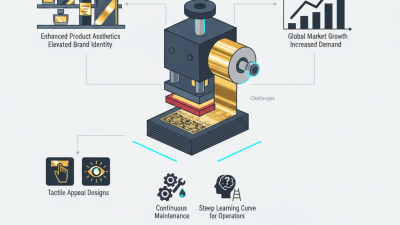
These machines significantly improve branding and presentation for various applications. They create unique textures and metallic finishes that elevate consumer products. With advancements in technology, newer models offer more efficiency and precision. However, not all machines perform equally. Some may struggle with inconsistent quality, while others can be challenging to operate.
Understanding the best options available is crucial. Despite the overwhelming choices, quality and reliability should be prioritized. Industry reports indicate that investing in a high-quality Foil Embossing Machine can lead to substantial returns. Ultimately, success comes from careful selection, informed by both market insights and operational needs.
Overview of Foil Embossing Technology and Its Applications
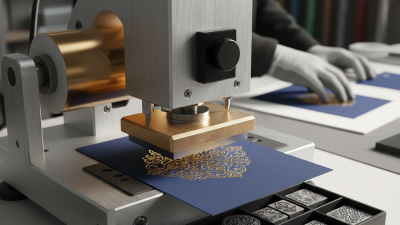
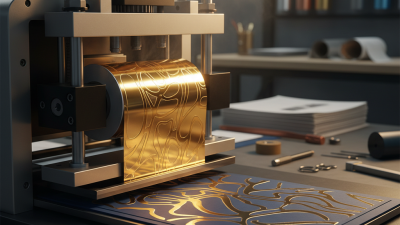
Foil embossing technology elevates printing and packaging aesthetics. It uses heat and pressure to fuse foil onto a substrate, creating striking metallic designs. This technique is sought after in luxury packaging, branding, and promotional materials. Many industries benefit from its unique appeal, including cosmetics, food, and publishing.
In the production process, precision is key. The selection of the foil and materials significantly impacts the final product. Skilled operators must ensure that temperatures and pressures are correctly calibrated. Improper settings can lead to imperfections, which may be difficult to rectify. Moreover, it's important to match the foil type with the substrate to achieve optimal results. Not all combinations work seamlessly.
There is a growing trend towards customization in foil embossing. Brands seek unique designs that stand out. However, this can lead to high costs for initial setups. The balance between innovation and feasibility is sometimes hard to find. As businesses explore this technology, they must weigh the risks and rewards of their choices.
Key Features to Look for in a Foil Embossing Machine
When searching for a foil embossing machine, certain key features are essential for optimal performance. First, consider the machine's speed and efficiency. Industry reports indicate that machines with a higher production rate can significantly reduce operational costs, offering over 20% savings in labor and time. An efficient machine can produce up to 1,200 sheets per hour, which is crucial for meeting tight deadlines.
Another important feature is the temperature control system. Precise temperature settings enhance the quality of embossed products, ensuring consistent results. Research shows that machines equipped with advanced thermostatic controls reduce errors by about 15%. Additionally, versatility should not be overlooked. Some businesses might require a machine that handles various materials, from paper to cardstock. Choosing a model with adjustable settings can help accommodate these different needs.
Maintenance is also a critical factor. Regular upkeep is necessary to prolong the machine's life. Reports suggest that machines maintained properly can operate 30% longer than those that are not. It is essential to choose a machine with easy-to-access parts for maintenance. Reflecting on these aspects will help streamline your production processes while minimizing risks related to downtime or maintenance costs.
Top Manufacturers of Foil Embossing Machines in 2026
In 2026, the market for foil embossing machines is expected to surge. The demand for high-quality finishing techniques in packaging and print materials drives this growth. According to industry reports, the global foil embossing machine market is projected to witness a CAGR of 5.5% from 2023 to 2028. This increase highlights the importance of selecting the right manufacturer to ensure optimal performance and durability.
Several manufacturers are recognized for their innovation in technology and design. Reports indicate that companies focusing on automation and energy efficiency are gaining traction. These manufacturers incorporate advanced features, such as digital controls and customizable settings. This enhances the production process significantly, appealing to businesses seeking to improve efficiency. However, not all machines deliver on these promises, and some may lack the durability expected in high-demand environments.
Moreover, understanding equipment compatibility is crucial. Many manufacturers offer machines that may not integrate well with existing production lines. This can lead to operational setbacks. Engaging with manufacturers that provide thorough training and support is essential. Look for those with a proven track record in the industry, as their expertise often translates into better service and product reliability.
2026 Top Foil Embossing Machines You Should Consider
| Machine Model |
Max Sheet Size (inches) |
Production Speed (sheets/hour) |
Embossing Type |
Price Range ($) |
| Model A |
12 x 18 |
2000 |
Hot Foil |
5000 - 7000 |
| Model B |
10 x 14 |
1500 |
Cold Foil |
3000 - 5000 |
| Model C |
14 x 20 |
2500 |
Combination |
8000 - 10000 |
| Model D |
18 x 24 |
3000 |
Hot Foil |
7000 - 9000 |
| Model E |
11 x 17 |
1800 |
Cold Foil |
4000 - 6000 |
Comparative Analysis of the Best Foil Embossing Machines
Foil embossing machines have transformed the way we produce high-quality prints. Their ability to create striking metallic finishes makes them essential in various industries. When comparing different models, consider factors like speed, accuracy, and ease of use. Some machines may excel in one area but fall short in another, leading to challenging trade-offs during decision-making.
For instance, a machine may offer high production speed but lack precision in embossing details. This can be problematic when tight tolerances are necessary. Users should also assess the range of foil types compatible with each machine. Limited foil options can restrict creativity and versatility in projects. It is crucial to balance performance and functionality based on specific needs.
While evaluating these machines, it's worth remembering that not every feature may work as intended. Some users report issues with user interfaces or software, indicating a need for reliable customer support. Transparency in machine capabilities will lead to a better understanding of what to expect. Ultimately, make informed choices by weighing both the pros and the cons of each machine. This approach ensures a more satisfying investment in the long run.
Future Trends in Foil Embossing Technology and Innovations
Foil embossing technology is rapidly evolving. Innovations in this field are changing how we create intricate designs. One key trend is the integration of digital printing with foil embossing. This combination allows for customization and greater detail. It enables designers to experiment with unique colors and textures. However, keeping up with technology can be costly for smaller businesses. Finding the right balance between technology and budget remains a challenge.
Another emerging trend is sustainability. Environmentally friendly materials are on the rise. Many manufacturers are exploring biodegradable foils and inks. This shift will benefit businesses and consumers seeking eco-conscious options. Despite this progress, achieving a perfect blend of aesthetics and ecology remains difficult. Quality must not be sacrificed for sustainability.
User-friendliness is also being prioritized. New software interfaces help operators with less experience. These systems reduce the learning curve but may still frustrate some users. Training staff on these new technologies requires time and effort. This presents a hurdle that many must overcome. In the end, while advancements promise more options, they also introduce complexity.
2026 Top Foil Embossing Machines: Trends and Innovations