Top Cutting Machine Types for Global Buyers to Consider?
In the dynamic world of manufacturing, selecting the right cutting machine is crucial for success. Various types of cutting machines cater to different industries and needs. Understanding these options helps buyers make informed decisions. This knowledge is vital.
Cutting machines range from laser, plasma, waterjet, to traditional saws. Each type has unique advantages and suitable applications. For instance, laser cutting machines offer precision for intricate designs. Plasma cutting machines excel in speed for thick materials. Waterjet machines are versatile, cutting through various substances without thermal distortion.
However, the decision process isn't always straightforward. Buyers often overlook specific requirements like material type, thickness, and desired finish. The marketplace is vast, and nuanced details can be confusing. Conducting thorough research boosts confidence in purchasing, aligning choices with industrial needs. Ultimately, choosing the right cutting machine impacts efficiency and product quality.
Overview of Cutting Machines Used in Various Industries
Cutting machines play a critical role across various industries, including manufacturing, textiles, and construction. These machines are designed to ensure precision and efficiency in cutting materials like metal, wood, and fabric. According to a report by Research and Markets, the global cutting machine market is expected to grow at a CAGR of 5.4% from 2021 to 2026, indicating increasing demand for advanced technologies.
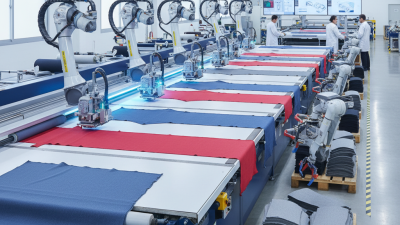
In the textile industry, cutting machines have evolved to meet the rising production needs. Automated fabric cutters streamlining operations can reduce waste significantly. A study by Statista highlights that nearly 30% of material is often wasted in traditional cutting processes. Efficiency improvements are paramount, yet many businesses grapple with integrating these advanced machines effectively.
In the metalworking sector, plasma cutting and laser cutting are popular choices. They offer high precision, but the initial investment can be daunting. The World of Manufacturing indicates that improper training can lead to operational issues and machine downtime. Such factors highlight the need for skilled operators who can optimize performance and mitigate challenges effectively.
Types of Cutting Machines: A Comprehensive Classification
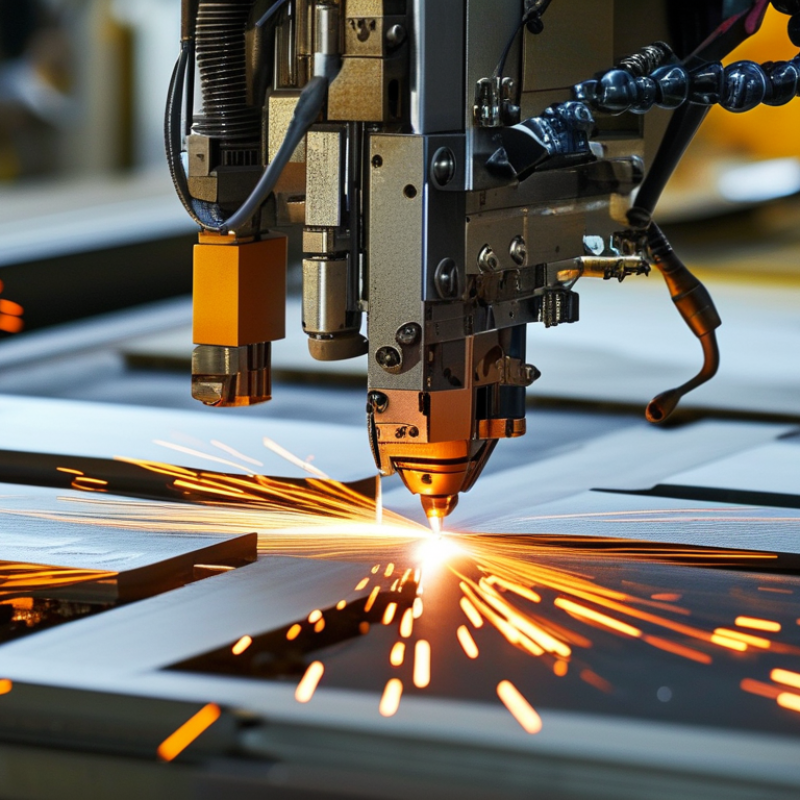
When considering cutting machines, it's essential to explore various types available in the market. Cutting machines can be broadly classified based on their applications and cutting mechanisms. For instance, laser cutting machines are popular for their precision in intricate designs. They utilize high-intensity laser beams, making them suitable for materials like metal and plastic.
Another essential type is die-cutting machines. These devices have plates that shape materials by applying pressure. Their versatility allows usage in industries ranging from packaging to crafts. However, they may not be as effective on thicker materials. Abrasive waterjet machines also deserve attention. They use high-pressure water mixed with abrasive materials to cut tough substances like stone and glass.
Each type of cutting machine has unique features and limitations. Evaluating your specific needs is crucial. Sometimes buyers overlook simpler machines that could meet their requirements efficiently. A thorough understanding of these options can lead to better purchasing decisions. Making informed choices enhances productivity and minimizes waste.
Top Cutting Machine Types for Global Buyers to Consider
| Type of Cutting Machine |
Application |
Material Capability |
Advantages |
Considerations |
| Laser Cutting Machine |
Metal, Plastic, Wood Cutting |
Thin Sheets, Coated Materials |
High Precision, Minimal Waste |
Higher Initial Cost, Requires Maintenance |
| Water Jet Cutting Machine |
Stone, Glass, Metal Cutting |
Thick and Hard Materials |
Versatile, No Heat-Affected Zone |
Slower Speed, Requires High Pressure |
| Plasma Cutting Machine |
Metal Sheets and Plates |
Steel, Aluminum, Copper |
Fast Cutting Speed, Cost-Effective |
Limited to Conductive Materials, Generates Heat |
| CNC Router |
Wood, Plastics, Composites |
Various Thicknesses |
High Customization, Great for Prototyping |
Skill Required for Programming, Can Be Expensive |
| Band Saw |
Wood and Metal Cutting |
Solid Materials |
Flexible Cuts, Good for Thick Materials |
Limited to Straight Cuts, Less Versatile |
Factors to Consider When Choosing a Cutting Machine
When selecting a cutting machine, usability is pivotal. Users should assess their specific needs before making a decision. A machine's ease of operation can significantly influence productivity. Look for features that simplify the setup. Ergonomics also plays a central role; a comfortable design can enhance user experience.
Another important factor is the machine's versatility. Different projects may require varied cutting types. A machine that handles multiple materials expands its application scope. Buyers should consider the materials they frequently use. Also, the available cutting width and depth is essential for different project scales.
Maintenance requirements can’t be overlooked. Machines need regular upkeep to perform well. Users must evaluate how easy it is to service the machine. Complex maintenance processes can lead to downtime. It often requires thoughtful planning to ensure efficient operation over time.
Top Brands and Manufacturers of Cutting Machines Worldwide
In the global cutting machine market, several brands have emerged as leaders. The demand for cutting machines is projected to grow steadily. According to recent industry reports, the market is expected to reach $9 billion by 2025. This growth indicates a strong interest in advanced technologies and reliable performance.
Innovative manufacturers focus on precision and efficiency. They invest heavily in research and development to enhance machine capabilities. Some brands excel in creating user-friendly interfaces, which can be crucial for new users. Reports show that over 70% of buyers prioritize ease of use when selecting a cutting machine. Additionally, energy efficiency is becoming a key factor. Buyers increasingly prefer machines that consume less power while maintaining high performance.
While many brands are thriving, competition is intense. Not all manufacturers deliver consistent quality. Some machines may not meet international safety standards. Buyers must conduct thorough research to avoid subpar options. Reviews and performance metrics can provide valuable insights when making a decision. This careful consideration can lead to long-term satisfaction and productivity.
Emerging Trends in Cutting Machine Technology and Features
The cutting machine industry is evolving rapidly. Emerging technologies are reshaping how these machines operate. Automation and artificial intelligence are at the forefront. Reports from industry experts suggest that the use of AI can increase productivity by up to 30%. These advancements enable machines to make precise cuts with minimal human intervention.
Moreover, there is a growing trend towards eco-friendly materials and processes. Manufacturers are exploring sustainable options that reduce waste. A survey conducted by industry analysts highlighted that 50% of businesses prioritize sustainability in their purchasing decisions. This shift towards green technology is essential for companies looking to appeal to environmentally conscious consumers. However, some businesses still struggle to integrate these technologies effectively.
Another notable feature is the increased connectivity of cutting machines. IoT technology allows machines to communicate and share data. This connectivity can lead to more efficient operations. Yet, not all users are capitalizing on this capability. Some remain hesitant due to security concerns. The challenge lies in balancing innovation with the need for robust cybersecurity measures. Each step forward must be carefully considered to maximize benefits while minimizing risks.
Top Cutting Machine Types for Global Buyers to Consider