How to Choose the Best Automatic Cutting Machine for Your Needs?
Choosing the right Automatic Cutting Machine can be a daunting task. With various models and features available, making the right choice is essential for efficiency and productivity. Expert Tim Green, a leader in the cutting technology industry, states, "The best machines enhance workflow and adaptability." This highlights the importance of selecting a machine that fits your specific needs.
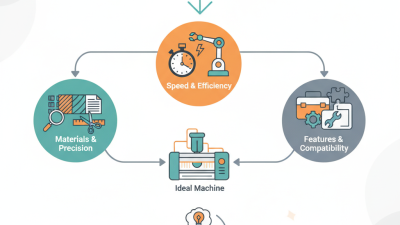
When considering an Automatic Cutting Machine, it's vital to assess your production requirements. Different machines offer varying abilities, such as speed, precision, and ease of use. For instance, some models excel in cutting intricate designs, while others prioritize speed for mass production. Understanding these differences will ensure you choose a machine suited to your operations.
Another factor to consider is after-sales support. Reliable technical support can make a significant difference. Machines may eventually require maintenance or updates, and a responsive support team is crucial. Additionally, researching user reviews can provide insights into long-term reliability and performance. Ultimately, the correct Automatic Cutting Machine is an investment that should align with your business goals, helping to improve efficiency and quality.
Understanding Your Cutting Needs and Applications
When selecting an automatic cutting machine, it's essential to understand your specific cutting needs. Different industries require various cutting techniques. For example, textiles may favor laser cutting, while the metal sector often relies on plasma cutting. According to a recent report by MarketsandMarkets, the global cutting machine market is expected to reach $6.5 billion by 2025, reflecting the rising demand for precision and efficiency.
Businesses often overlook their unique applications when choosing a machine. A critical aspect of selection is material compatibility. Each material behaves differently under cutting processes, impacting accuracy and finish. Analyzing sample cuts from potential machines can lead to more informed choices. A study from Technavio indicates that companies that understand their requirements reduce operational errors by over 30%.
Cost is another vital consideration. While premium machines may promise efficiency, they might not suit all cutting needs. Reflect on your production volume and versatility needs. Sometimes, a more versatile machine at a lower cost could outperform an expensive, specialized option. Emphasizing a thoughtful assessment of your applications will lead to better purchasing decisions.
How to Choose the Best Automatic Cutting Machine for Your Needs?
| Machine Type |
Cutting Width (mm) |
Cutting Speed (m/min) |
Material Compatibility |
Price Range (USD) |
| Laser Cutting Machine |
1300 |
30 |
Acrylic, Wood, Metal |
2000 - 5000 |
| Plasma Cutting Machine |
2000 |
10 |
Metal, Steel, Aluminum |
3000 - 8000 |
| Water Jet Cutting Machine |
1500 |
5 |
Glass, Stones, Metals |
5000 - 12000 |
| Knife Cutting Machine |
1800 |
20 |
Textiles, Foam, Leather |
1000 - 4000 |
Key Features to Look for in an Automatic Cutting Machine
Choosing the right automatic cutting machine can significantly impact your project’s efficiency. Focus on essential features like precision, speed, and versatility. Look for models that guarantee accurate cuts on various materials. Consistency in cutting quality is crucial for professional outcomes.
Consider the machine’s user interface. A clear, intuitive display simplifies operations, especially for beginners. Some machines may seem complex at first glance. Avoid getting overwhelmed by unnecessary features. Familiarizing yourself with the essential functions can greatly enhance your experience.
Tips: Check if the machine has adjustable settings. This allows you to customize cuts based on material thickness. Ease of maintenance is another feature to keep in mind. Regular upkeep ensures long-term reliability. A machine may perform excellently today but could falter without proper care. Prioritize finding a balance between features and user-friendliness to match your needs.
Automatic Cutting Machine Features Comparison
Comparing Different Types of Automatic Cutting Machines
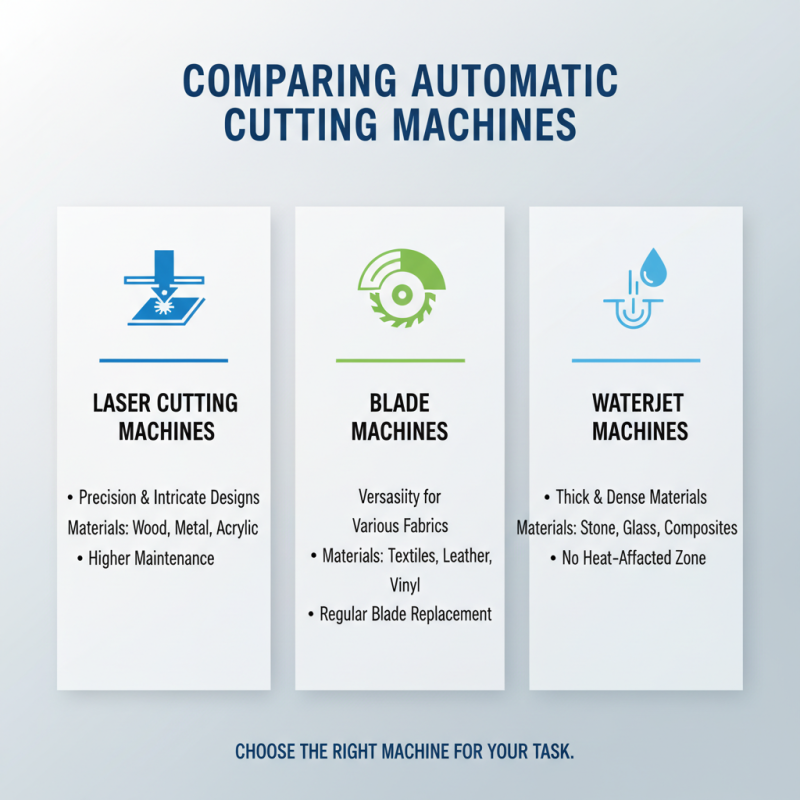
When comparing different types of automatic cutting machines, consider their features and capabilities. There are various models available, each designed for specific tasks. For instance, laser cutting machines provide precision and are excellent for intricate designs. They work well with materials like wood, metal, and acrylic. However, they may require more maintenance due to their complex technology.
In contrast, rotary cutting machines excel at speed and efficiency. They are ideal for fabrics and textiles. If you often work with patterns or need repetitive cuts, this type might be your best bet. Yet, they might lack the precision of laser machines for detailed work.
Selecting the right machine requires careful evaluation. Think about the materials you’ll cut and the complexity of your designs. Reflect on your workspace and budget. Each machine has its pros and cons. What works well for one project may not be suitable for another. Take the time to explore your options before committing.
Evaluating Budget and Cost-Effectiveness of Cutting Machines
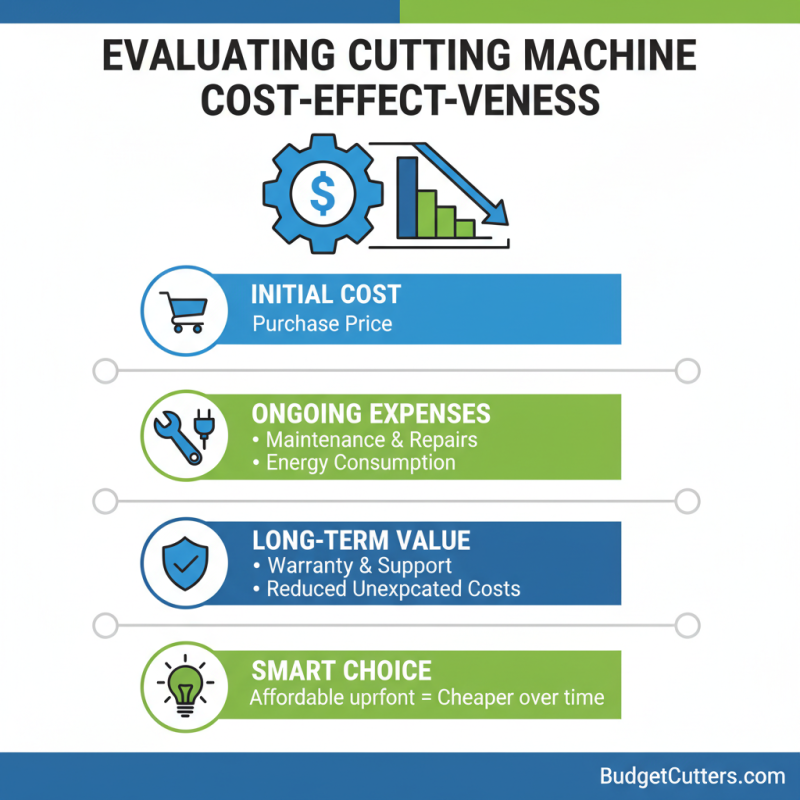
When selecting an automatic cutting machine, budget awareness is crucial. Evaluate the initial cost and ongoing expenses. It's not just about the purchase price. Consider maintenance and energy consumption. Machines that seem affordable may incur higher costs over time. Look for models with a good warranty and support. This can mitigate unexpected expenses.
Cost-effectiveness also relates to your specific needs. A machine’s capabilities must align with your production scale. Higher-priced machines often come with advanced features, but if you won’t use them, it’s an unnecessary expense. Seek user reviews and expert insights to gauge performance and reliability. Investing time in research can pay off, ensuring you choose a machine that offers value without overspending.
Rethinking your cutting needs and practices may highlight areas where savings can be found. For example, could you reduce waste by adjusting cutting patterns? Sometimes, the most effective solution is not the latest model but thinking creatively about usage. A balance between price and functionality often leads to better long-term satisfaction.
Researching Brands and Customer Reviews for Informed Choices
When selecting an automatic cutting machine, customer reviews play a crucial role. They provide insights that might not be apparent from product descriptions alone. By examining user experiences, potential buyers can understand the machine's reliability and functionality. Look for reviews discussing ease of use and durability. These aspects are vital for any cutting machine, as they directly impact performance over time.
Researching different brands is equally essential. While many companies may claim high quality, user feedback reveals the truth. Seek brands that show consistent positive ratings. Pay attention to any recurring issues in reviews. If multiple users mention a common flaw, it’s worth considering. However, remember that some reviews may be overly positive or negative. Weigh them against one another for balance.
Exploring brand history can also provide helpful context. Companies with a steady presence often have more reliable products. They develop their technology based on user feedback and industry standards. Trustworthy brands usually have a more robust support system, which can be beneficial for troubleshooting.
Take time to gather this information before making a decision. It’s an essential part of ensuring you select a cutting machine that meets your specific needs.