What is a Stamping Machine and How Does it Work?
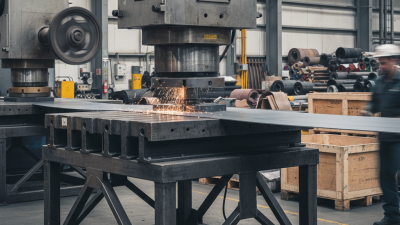
In the manufacturing world, the Stamping Machine plays a vital role. These machines are essential for shaping materials into specific forms. According to industry expert Sarah Thompson, "The precision of a Stamping Machine can redefine production standards." This statement underscores the importance of accuracy in modern manufacturing processes.
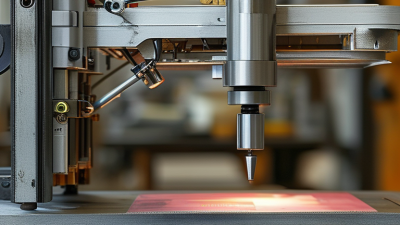
A Stamping Machine operates by using high pressure to form metal sheets into desired shapes. The machinery employs various dies to ensure that each piece is produced uniformly. In addition, the speed at which these machines operate can significantly enhance productivity. However, despite their efficiency, the need for regular maintenance is often overlooked.
Understanding how a Stamping Machine works sheds light on its complexities. It requires skilled operators to achieve optimal results. Yet, many facilities still face challenges. The balance between speed and precision remains a topic for reflection. While technology progresses, the human element remains indispensable in ensuring quality output.
Definition and Purpose of a Stamping Machine
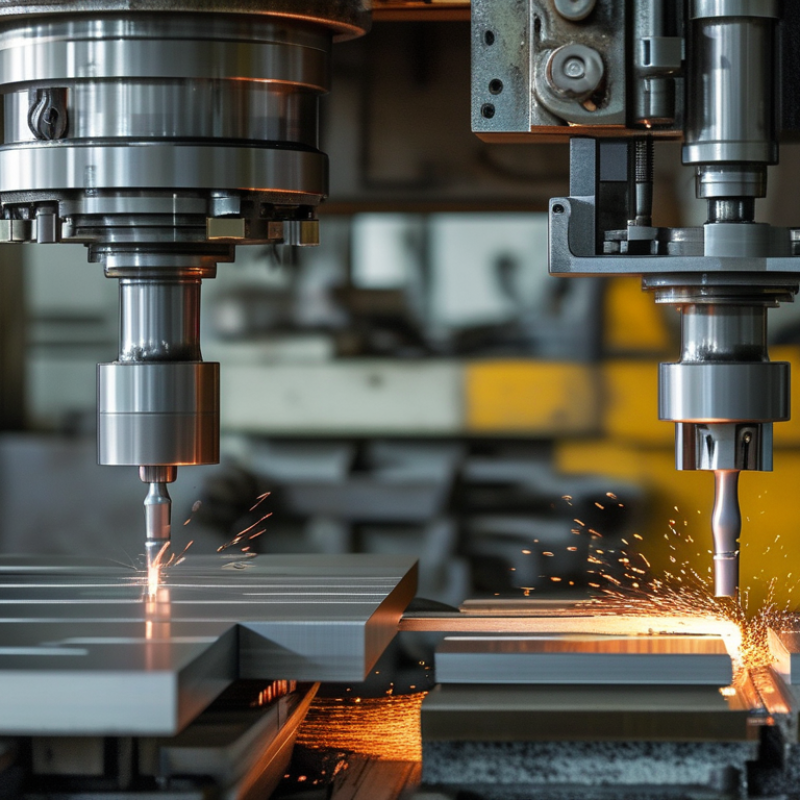
A stamping machine is a vital piece of equipment in manufacturing. It is used to cut, shape, and form materials like metal or plastic. Typically, these machines utilize a tool and die setup. The die shapes the material, while the tool provides the force needed to stamp the product. According to industry reports, the global stamping market is anticipated to reach $175 billion by 2027, demonstrating its importance in various sectors.
The primary purpose of a stamping machine is to increase efficiency in production. By automating the stamping process, manufacturers reduce labor costs and increase output. Reports show that companies utilizing advanced stamping technology can improve productivity by up to 30%. However, challenges remain. Not all stamping machines offer the same precision. In fact, poor calibration can lead to wasted materials and increased operational costs.
Understanding the limitations of stamping machines is crucial for manufacturers. Not every design can be effectively produced with stamping technology. Some complex shapes might not be achievable. Additionally, maintenance of these machines can be demanding. Regular upkeep is necessary to maintain efficiency and product quality. Consequently, operators should be well-trained to address such challenges.
Types of Stamping Machines Used in Industry
Stamping machines are essential in various industries, providing efficiency and precision in metal shaping. Among the types of stamping machines, the most common are mechanical, hydraulic, and servo-driven models. Mechanical stamping machines operate through a crank system, delivering a rapid cycle for mass production. These machines are often favored for their speed and lower initial investment. However, they may lack the versatility needed for complex shapes.
Hydraulic stamping machines, on the other hand, operate using fluid power. They can adjust force and speed on the fly, making them ideal for varied and complicated tasks. According to a report by Research and Markets, the hydraulic stamping market is projected to grow by 5% annually, highlighting their increasing significance in customized production.
Servo-driven stamping machines represent the latest advancement in this technology. They utilize electric motors to control the stamping process with extraordinary precision. This type of machine provides adaptability for different operations. However, implementations can be costly. Discrepancies in programming and maintenance may arise, which could lead to downtime. Investing in training for operators is critical to mitigate such issues and maximize efficiency.
What is a Stamping Machine and How Does it Work? - Types of Stamping Machines Used in Industry
| Type of Stamping Machine |
Description |
Applications |
Advantages |
Disadvantages |
| Mechanical Stamping Press |
Uses mechanical advantage to apply force for stamping operations. |
Metal forming, sheet metal fabrication. |
High speed, large force application. |
Less precise for complex shapes. |
| Hydraulic Stamping Press |
Uses hydraulic fluid to transmit pressure for stamping. |
Automotive parts, aerospace components. |
Greater flexibility and control over pressure. |
Slower speeds compared to mechanical presses. |
| Pneumatic Stamping Machine |
Utilizes compressed air to drive the stamping mechanism. |
Lightweight materials, plastic parts manufacturing. |
Suitable for diverse materials and applications. |
Limited force compared to mechanical or hydraulic presses. |
| Servo-Driven Stamping Press |
Incorporates servo motors for precise control of movement. |
Complex automotive parts, precision components. |
High precision and energy efficiency. |
Higher initial cost than traditional presses. |
Components and Mechanics of Stamping Machines
Stamping machines are essential for various manufacturing processes. They work by using a die to shape materials like metal or plastic. Understanding their components can enhance efficiency and safety in any workshop.
Key components of a stamping machine include the frame, motor, and die. The frame supports the machine’s parts. It absorbs the stress during operation. The motor powers the machine, driving it to create shapes. The die is critical; it structures the final product, whether it's a simple cut or a complex form. Ensure regular maintenance of these parts to avoid malfunctions.
As you work with stamping machines, consider wearing protective gear. Eye protection is vital to shield against flying debris. Regularly check the die for wear and tear. A worn die can lead to poor-quality products. Also, ensure the workspace is clean. Clutter can lead to accidents and inefficiencies. Keep tools organized, making it easier to access them when needed.
Operational Process of Stamping Machines
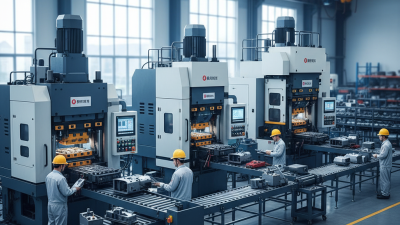
Stamping machines play a crucial role in the manufacturing sector, especially in metal fabrication. Their operational process is efficient and precise. At the core, these machines apply a significant amount of force to cut or shape materials into desired forms. The process starts with the placement of raw material, usually metal sheets, onto the machine's work surface.
Once the metal is positioned, the machine's die molds the material by striking it with a pressurized force. According to a recent industry report, automated stamping machines can achieve a cycle time of up to 30 parts per minute, highlighting their efficiency. However, achieving such productivity often relies heavily on proper machine calibration and maintenance.
Moreover, as stamping becomes more automated, some concerns arise. With increased speed can come variations in quality. The importance of operator training cannot be overstated. Even with advanced technology, human oversight is vital to ensure precision and reduce errors. Ultimately, while stamping machines have revolutionized manufacturing, ongoing attention to detail remains essential.
Applications and Benefits of Stamping in Manufacturing
Stamping is a critical process in manufacturing, often used to shape metal or other materials. This method involves processing sheets of material to create specific parts or designs. It is precise and efficient, making it valuable in various industries, from automotive to electronics.
The applications of stamping are vast. In the automotive industry, for example, stamping is used to produce body panels and components. These parts must meet stringent quality standards, and stamping ensures uniformity. In electronics, stamping can create intricate components for circuit boards, showcasing its versatility. Each of these applications emphasizes how stamping aids in producing reliable, high-quality products.
Benefits of stamping include cost-effectiveness and speed. High-volume production becomes feasible, saving time and resources. However, the setup costs can be high, and initial trials may yield imperfect results. Manufacturers often need to refine their processes based on feedback. This iterative approach is essential for achieving optimal quality and efficiency in production.
Applications and Benefits of Stamping in Manufacturing