What is an Embossing Press and How Does it Work?
Embossing presses are essential tools in various industries for creating raised designs on materials. These machines can add a tactile quality to products, enhancing their visual appeal. According to a report by Smithson Manufacturing, the embossing press market is projected to grow by 7.5% annually through 2025. This growth highlights the increasing demand for customized branding solutions.
Expert Tom Hargrove states, "The accuracy of an embossing press determines the quality of branding." His words underline the need for precision in the embossing process. Businesses rely on high-quality embossing to distinguish their products from competitors. Variations in pressure and temperature are crucial factors that impact the final outcome.
Despite the advancements in technology, some challenges remain. Not every product can achieve the desired finish. Operators must constantly calibrate their machines to avoid flaws. Engaging with skilled technicians is vital. They can enhance the effectiveness and efficiency of embossing presses. Achieving perfection in embossing requires careful consideration of the material and technique used.
What is an Embossing Press?
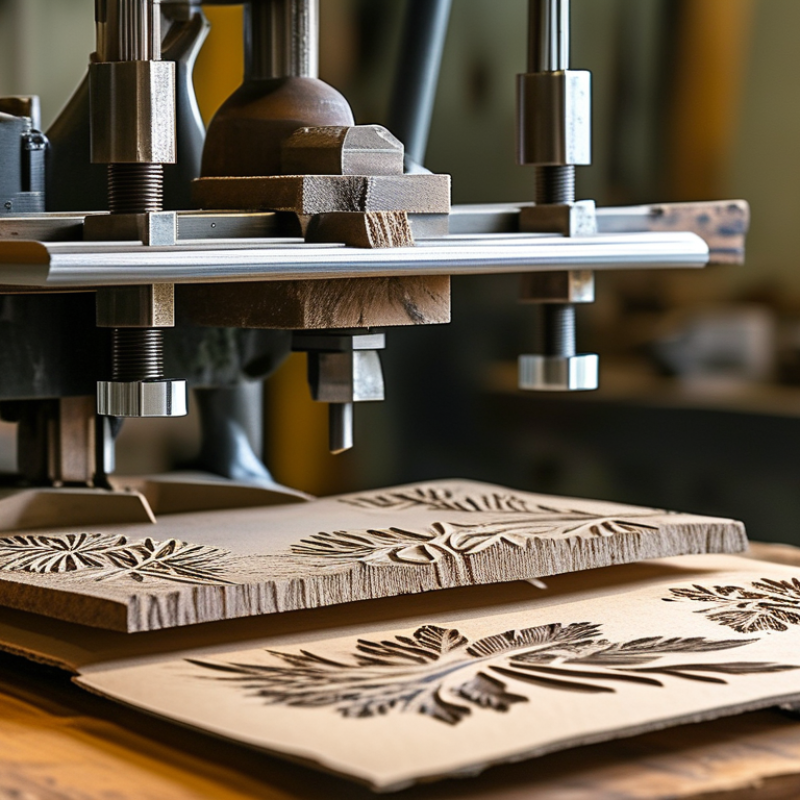
An embossing press is a specialized tool used to create raised designs on various surfaces. It operates through a combination of heat and pressure, transferring patterns onto materials like paper, leather, or metal. This method enhances the tactile feel and visual appeal of the item. The embossing process has been widely adopted in industries from packaging to custom stationery.
According to a recent industry report by Smithers Pira, the global market for embossed products is expected to reach $1.7 billion by 2025. This growth is driven by the rising demand for custom branding products in sectors like retail and corporate manufacturing. However, the initial setup of an embossing press can be costly. Custom dies must be manufactured, which may not be feasible for small businesses. Maintaining a balance between investment and return is essential for companies venturing into this technique.
Moreover, while embossing adds elegance, it can also present challenges. Inconsistencies in pressure application may lead to uneven designs. Proper training for operators is crucial to minimize mistakes. Inconsistent quality can impact brand perception, indicating the importance of expertise in handling such equipment. Hence, companies must invest time in mastering this technique for optimal results.
The History and Evolution of Embossing Presses
The history of embossing presses is rich and fascinating. Early forms of embossing can be traced back to ancient Egypt, where artisans used simple tools to create intricate designs on materials like leather and metal. These techniques evolved over centuries. By the 19th century, the industrial revolution brought about mechanical advancements. This led to the creation of hand-operated embossing presses that made the process more efficient.
As technology progressed, embossing presses became more sophisticated. Electric and hydraulic models emerged, enhancing precision and speed. Businesses began to see the potential of embossing for branding and personalization. However, not all adaptations were successful; some machines wasted materials due to design flaws. Experimentation and revisions were essential for success. Over time, we learned that each press has unique strengths and weaknesses, influencing the final product's quality. Despite the challenges, the journey of the embossing press reflects a continuous drive for innovation and creativity.
How an Embossing Press Works: Key Components Explained
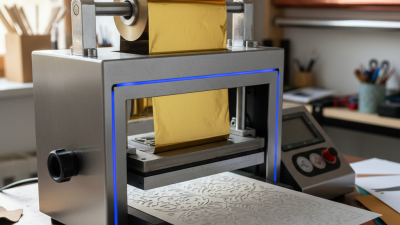
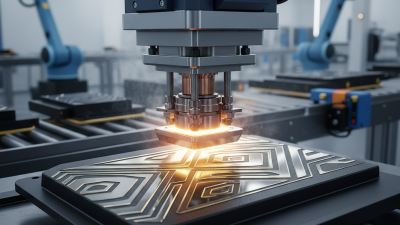
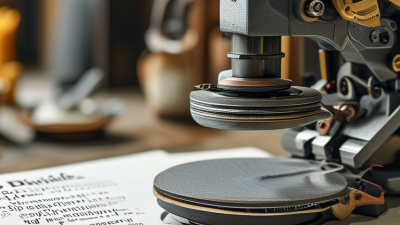
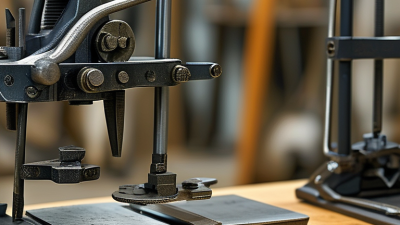
An embossing press is a specialized tool used to create raised designs on various materials like paper, leather, and plastic. The process involves key components that work in unison. These components include the die, the platen, and the pressure mechanism. The die is custom-made with the desired design. The platen holds the material securely in place during embossing. The pressure mechanism applies necessary force to transfer the design onto the substrate.
Understanding how these components interact is vital. A study by the International Association of Embossing Professionals noted that appropriate pressure is crucial for achieving high-quality embossing. Insufficient pressure can lead to poor impressions, while excessive pressure may damage the material. Moreover, the heat aspect cannot be overlooked. Heating the die may enhance the depth of the embossing effect. The choice of temperature directly affects the final outcome.
In practice, not all designs translate well to every material. Certain textures may not produce the intended result. It remains essential for operators to test various settings to ensure the best results. Regular maintenance of the press is also necessary to avoid inconsistencies in output. Thus, a comprehensive understanding of these components and their interaction is key for successful embossing projects.
Embossing Press Usage Across Different Industries
Different Types of Embossing Presses and Their Applications
Embossing presses come in various forms, each serving specific applications. Flatbed embossing presses are commonly used for large-scale operations. They efficiently operate on thicker materials, making them popular in industries like packaging and textiles. According to a report from Smithers Pira, the global market for embossed packaging is expected to grow by 4.5% annually, showcasing the increasing demand.
Rotary embossing presses offer another variant. They are ideal for continuous production and create patterns on flexible materials. This type is frequently used in the production of labels and greeting cards. The flexibility in design output leads to innovative products on the market. However, achieving perfect alignment can sometimes be a challenge.
Tips: When considering an embossing press, analyze the production scale and material type. Understand the specific needs of your project. Mistakes often occur in the initial setup. Always take the time to calibrate your machine accurately to avoid costly errors. Regular maintenance can also prolong the press's life. Failure to do this can lead to subpar final products.
Tips for Using an Embossing Press Effectively
Using an embossing press can transform your creative projects. To get the best results, understanding its operation is key. An embossing press applies pressure to materials like paper or leather, creating raised designs. This process requires precision and care.
To use an embossing press effectively, ensure proper setup. Calibrate the machine for the thickness of your materials. Too much pressure can damage the item. Too little can lead to incomplete designs. Regularly check and replace worn plates. Consistency is vital for quality output.
Experiment with different materials. Cardstock and metallic sheets yield unique effects. Test on scraps before working on final pieces. Remember, imperfections can enhance creativity. A tiny misalignment may lead you to new design ideas. Embrace these moments as part of the artistic journey. Keep a notebook to jot down observations and improvements.