How to Choose the Best Embossing Press for Your Needs?
Choosing the right embossing press is vital for achieving high-quality results in your projects. An embossing press can enhance your craft, whether you are a beginner or an experienced artisan. However, with many options available, finding the best fit for your needs can be overwhelming.
Consider the type of materials you will be working with. Different embossing presses cater to different materials, such as paper, leather, or metal. Evaluate the thickness and texture of these materials before making a decision. Think about the size of the press too. A large press may seem appealing but could take up too much space.
Additionally, the features of the embossing press should align with your specific requirements. Look for adjustable pressure settings and various plate sizes. Reflect on your budget as well; more expensive machines may offer advanced features, but they might not always be necessary. Thus, it is essential to weigh the pros and cons of each option to ensure your choice is informed and suitable for your crafting journey.

Factors to Consider When Choosing an Embossing Press
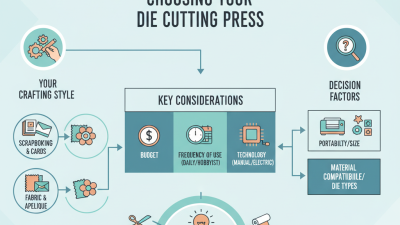
Choosing the right embossing press can greatly enhance your creative projects. Several factors come into play when making this decision. Think about the type of materials you will use. Different presses handle various thicknesses and textures. A heavier press may suit cardboard, while a lighter model works for paper. Consider how often you plan to use it. If you emboss regularly, durability will be key.
Pay attention to the size of your workspace. A compact press is ideal for small areas, while larger models require more room. Evaluate the manual versus electric options. Manual presses are generally less expensive, but electric ones can save time. Ease of use is crucial, especially for beginners. Research the learning curve for each type.
Finally, think about the level of detail you desire in your designs. Intricate patterns may require specialized tools or attachments. Consider the cost of these accessories when budgeting. Don't overlook the value of customer reviews and expert opinions. Engaging in online communities can provide insights that enhance your decision-making process.
Types of Embossing Presses Available on the Market
When it comes to embossing presses, understanding the types available is crucial. There are manual, digital, and heat-assisted models. Each type serves unique purposes and user preferences. Manual embossing presses are ideal for small projects. They offer hands-on control and often have a lower price point.
Digital models provide precision and automation, making them great for larger runs. Heat-assisted presses use warmth to enhance the embossing effect, suitable for various materials.
Choosing the right type depends on your project needs. Consider the volume of your work. A digital press might be an investment for businesses. Alternatively, a manual press fits hobbyists well. It's important to reflect on usage frequency. Will you emboss regularly or only occasionally? This decision affects the press's durability and functionality.
Don’t overlook the materials. Some presses work better with specific substrates. Experimenting is often necessary. Finding the best match can take time. Analyze your needs and budget before making a choice. Each type has its advantages and limitations. Your ideal choice may not be perfect, but it should align with your goals.
Key Features That Enhance Embossing Quality
When selecting an embossing press, the quality of the embossing largely hinges on the features of the machine. One important aspect is the pressure adjustment. A good press allows for precise control over pressure, ensuring even and deep embossing. This is critical for achieving professional results. A machine with a consistent pressure level will produce high-quality designs consistently.
Another key feature is the bed size. This determines the maximum dimensions of the materials you can emboss. If you plan to work with larger sheets, a spacious bed is necessary. However, note that a larger bed may require more space in your workshop, and it may also increase the machine's weight, making it harder to move.
Tips: Consider your workspace before making a purchase. If you have limited space, a smaller press might be more practical, even if it limits your embossing size. Always check the machine's compatibility with your materials. Not all presses work well with every type of paper or substrate, which could impact the final result. Finally, don't disregard the importance of user reviews and ratings. They provide insights into the machine's performance and durability, helping you make an informed choice.
Embossing Press Comparison: Key Features and Performance
Budgeting for Your Embossing Press Purchase
When budgeting for your embossing press, it's essential to assess your financial position realistically. Determine how much you can allocate for this purchase without compromising other essential expenses. Keep in mind that the best embossing press doesn't always mean the most expensive. Often, you can find reliable options within a reasonable budget.
Evaluate the features you require versus what you're willing to spend. For example, if you need a basic model for occasional use, exhaustive features may be unnecessary. Meanwhile, professional use may justify a higher investment. Consider looking into used models or refurbished options. This can help you save money while still getting a quality product.
After specifying your needs, it’s vital to research various models. Online reviews and user feedback provide significant insights. Still, remember that cheaper isn't always better. It's easy to fall into the trap of selecting flashy features without understanding their actual importance. Reflect on your specific needs and choose wisely. Your embossing press should serve your purpose effectively, balancing cost and functionality.
Maintenance Tips for Long-lasting Embossing Equipment
Proper maintenance of your embossing press is crucial for its longevity. Regular cleaning prevents adhesive buildup and ensures smooth operation. Dust and debris can affect performance, so keep your workspace tidy. It’s essential to inspect the machine periodically. Look for worn-out parts, loose screws, or signs of wear. Address these issues promptly to avoid costly repairs later.
Use lubricants suggested in the manual for moving parts. This keeps everything running smoothly and reduces friction. Regularly check the embossing plates for damage. Replace them if you see significant wear or cracks. This helps maintain the quality of your embossing projects. Ensure you store the equipment in a cool, dry place. Environmental factors can lead to rust and corrosion, affecting functionality.
Remember, every machine requires a bit of love. Overlooking small issues can lead to bigger problems down the road. Your embossing press is an investment. Treat it well, and it will serve you faithfully for years. Lastly, keep your user manual accessible. It offers valuable tips on maintenance and troubleshooting that can save you time and effort.