Best Die Cutting Press Tips for Perfect Results?
In the world of crafts and manufacturing, mastering the Die Cutting Press is essential. Expert Anna Smith, a well-known figure in the industry, once said, "A perfect cut starts with understanding your tools." This insight emphasizes the importance of technique and knowledge when using a Die Cutting Press.
Achieving flawless results can be elusive. Many users struggle with pressure settings or material choices. It's easy to assume that all materials behave the same way. However, results may vary significantly based on the type of paper or fabric you use. Testing different combinations is key.
Crafting with a Die Cutting Press involves trial and error. Sometimes, the machine requires fine-tuning. Be prepared for moments of frustration. Reflect on what went wrong. Learning from mistakes can lead to greater mastery. The journey toward perfection is never straight. Each project offers a lesson that brings you closer to achieving those perfect cuts.
Understanding Die Cutting Press: Types and Functions
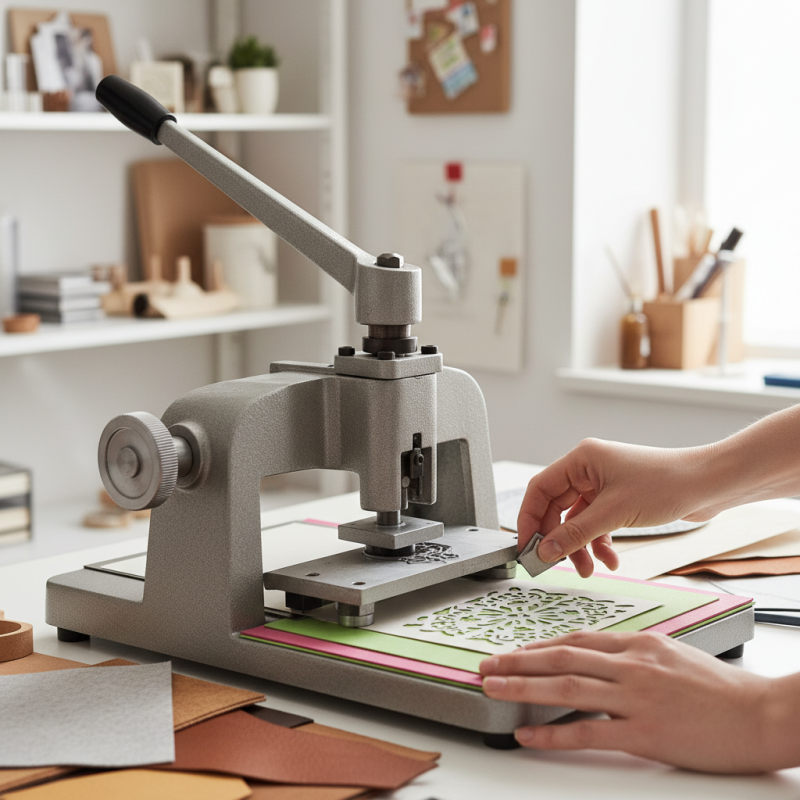
Die cutting presses are essential tools for crafting and design. They come in various types, suited for different materials. Manual presses offer control but require more physical effort. Automatic presses streamline the process, delivering precision and speed. It’s crucial to choose based on your needs.
Each press has unique functions. Some are better for intricate designs, while others handle thicker materials well. Understanding these features can prevent frustration during projects. Beginners often struggle with pressure settings. Too much pressure can ruin delicate materials, while too little can lead to incomplete cuts.
When using a die cutting press, practice is key. Mistakes are common. Sometimes cuts don’t go all the way through. Other times, the paper may tear. Learning from these errors helps improve technique. Exploring different material combinations can also inspire creativity. Experimentation often leads to unexpected success.
Essential Tools and Materials for Die Cutting Success
Die cutting is a popular technique in crafting. To achieve great results, the right tools and materials are crucial. A quality cutting machine is essential. It should handle various materials, from cardstock to fabric. It’s important to choose a machine with adjustable pressure. A report from Craft Industry Alliance indicates that 70% of crafters believe tool quality significantly influences their projects.
Holding your materials in place is another key aspect. Adhesive mats can help maintain stability during cutting. If the material shifts, it can lead to imperfect cuts. According to a study by the Association for Creative Industries, 65% of students experience frustration with material misalignment. This highlights the need for careful preparation.
When selecting dies, consider their material and shape. Steel rule dies tend to offer durability. However, they can be pricey. A common mistake is underestimating the need for maintenance. Blunt dies can produce ragged edges. Investing time in cleaning and sharpening dies might seem tedious, yet it ensures better outcomes. Understanding the nuances of your tools is vital for die cutting success.
Step-by-Step Guide to Setting Up Your Die Cutting Press
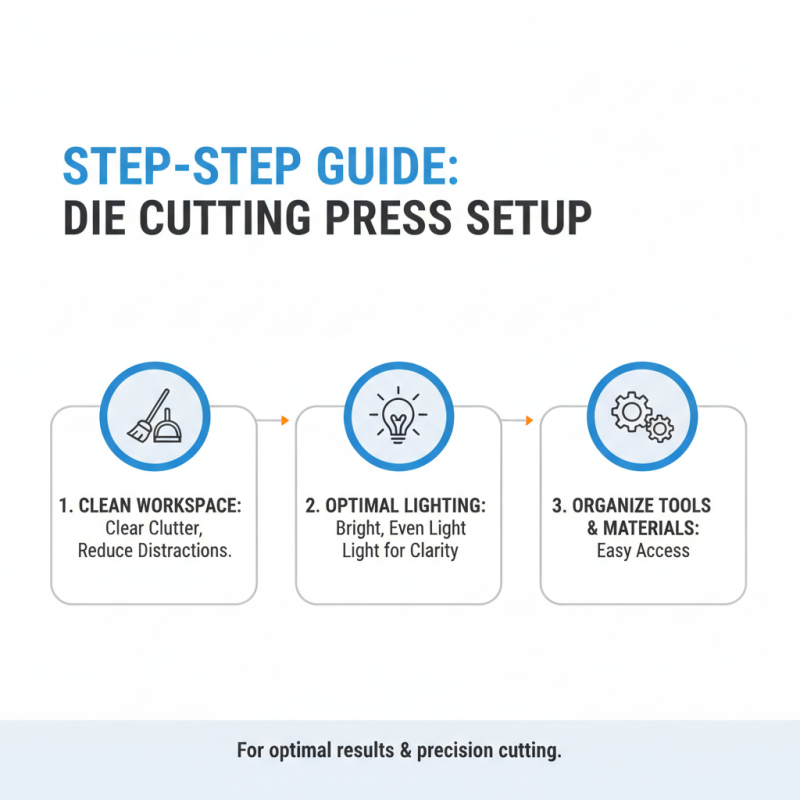
Setting up your die cutting press requires attention to detail for optimal results. Begin by ensuring your workspace is clean. A clutter-free area reduces distractions. Proper lighting is essential too. Bright, even light helps you see the details clearly.
Next, check the alignment of your dies. Misalignment can lead to inconsistent cuts. According to industry reports, about 15% of novice users face issues due to improper setups. Adjust your plates carefully. Ensure they are flat and free from debris. Rough surfaces can impact precision.
Don’t hesitate to experiment, though. Test cuts on scrap materials are vital. They provide insight into the performance of your setup. Sometimes, the pressure might feel right, but the results say otherwise. This trial-and-error approach is common among experienced users. Reflect on each attempt and adjust accordingly. Precision in the die cutting process takes practice and patience.
Tips for Achieving Precise Cuts and Perfect Results
Achieving precise cuts and perfect results with a die cutting press requires attention to detail and technique. According to industry studies, over 75% of users reported inconsistent results due to improper setup. Ensuring your machine is calibrated correctly is crucial. Check alignment and pressure settings before each use. Small adjustments can lead to significant differences in output quality.
Here are some tips to optimize your die cutting experience:
First, use high-quality dies and materials. Inferior products often lead to uneven cuts. Experiment with different paper types. Each material responds uniquely to pressure and blade sharpness. Knowing your materials enhances your control over the final product.
Another useful tip involves cleaning your dies regularly. A build-up of residue can affect cutting efficiency. Brush off debris after each session. This simple step can improve your outcomes. Reflect on past projects that didn’t meet your standards. Identifying recurring issues can guide you toward better practices. Remember, perfection doesn’t happen overnight. Each misstep is a chance to learn and improve.
Common Mistakes to Avoid in Die Cutting Projects
When diving into die cutting projects, common mistakes can derail your results. One frequent error is improper alignment. Misalignment can lead to wasted materials and time. Reports indicate that 70% of novice users struggle with this. A small shift in position can cause significant discrepancies in the final product. Always take time to check the alignment before cutting.
Another mistake involves selecting the wrong material. Not all materials are suitable for every type of die cut. A study revealed that 65% of projects failed due to inappropriate material choice. For instance, using thick cardstock for delicate designs may yield poor results. Consider the material’s thickness, texture, and compatibility with the die cutting press.
Additionally, overlooking maintenance can affect your die cutting precision. Dust and debris can accumulate on your machine, impairing its function. Regular cleaning is essential. Neglecting this can result in uneven cuts and frustration. It's advisable to follow a maintenance schedule to keep your equipment in top shape. Small inconsistencies can add up, ultimately affecting your project’s quality.