How to Choose the Best Automatic Stamping Machine in 2026?
Choosing the best Automatic Stamping Machine in 2026 requires more than comparing press speed or purchase price. Modern production lines demand consistent output, safer operation, lower waste, and dependable digital monitoring. A machine may look impressive in a showroom, yet perform poorly with your actual material thickness, tooling design, or batch size. The right decision begins with your parts, not the sales brochure.
Industry forecasts show why this decision matters. Grand View Research reports continued growth in the global metal stamping market, supported by automotive, electronics, and industrial equipment demand. Deloitte’s 2023 Smart Manufacturing Survey found that 86% of manufacturing leaders expect smart factory initiatives to become essential for competitiveness. These findings support investment in connected presses, sensor-based inspection, and predictive maintenance. However, forecasts are not guarantees. Regional demand, energy costs, labor availability, and supplier quality can change the result.
This guide examines the practical details buyers often overlook. We will compare servo and mechanical presses, tonnage, stroke length, feeding accuracy, cycle speed, energy consumption, and control-system compatibility. We will also consider die protection, operator access, spare parts, training, and after-sales response time. A small tolerance error can create thousands of rejected brackets. That is expensive. The cheapest machine may become the costliest choice after downtime, tooling damage, and difficult maintenance are included. Buyers should request sample production, measured noise data, documented accuracy results, and references from similar factories. Real evidence matters more than polished claims.
Understanding Automatic Stamping Machines and Their Main Functions
How to Choose the Best Automatic Stamping Machine in 2026?
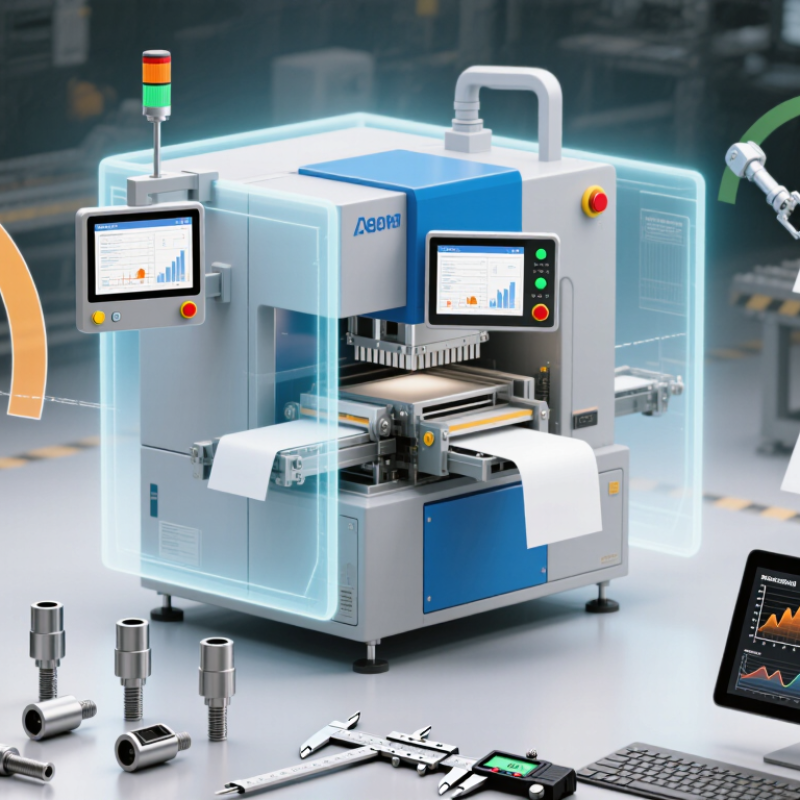
An automatic stamping machine forms metal parts through controlled pressure and repeated die movement. Its main functions include feeding material, positioning the workpiece, stamping, and removing finished parts. Some systems also monitor force, stroke length, and production speed. A typical cycle may include a sheet feeder, sensor, press mechanism, and programmable controller. These components must work together accurately.
When comparing machines, check maximum stamping force, material thickness, die compatibility, and hourly output. A fast machine is not always the best choice. Excessive speed can increase vibration, tool wear, and rejected parts. Look for adjustable stroke settings and stable feeding. Sensors should detect misalignment before the die closes. Guarding and emergency-stop controls also deserve careful inspection.
Modern equipment may record production data and warn operators about pressure changes or maintenance needs. This can improve traceability and reduce unexpected downtime. However, digital features cannot correct poor setup. Operators still need training, clear procedures, and regular inspections. In practical production, small details matter. A loose guide rail can damage hundreds of parts before anyone notices. I would also question optimistic capacity figures, because real output depends on material changes, die adjustments, and cleaning time. No machine is perfect. Reliability comes from measured performance, safe operation, and honest testing.
Identifying Your Production Needs and Material Requirements
Choosing an automatic stamping machine starts with your production reality, not a catalog speed.
Record monthly volume, part dimensions, tolerances, and required uptime. Grand View Research estimates the global metal stamping market will grow at about 4% annually through 2030. That growth increases pressure to select equipment that matches actual demand. A press running 80 strokes per minute may be wasteful for short batches. It may also fail during peak orders.
Material requirements matter just as much.
Measure sheet or coil thickness, width, tensile strength, and surface condition. Mild steel, stainless steel, aluminum, and coated materials behave differently during forming. Check whether the machine supports your required die size, feed length, tonnage, and straightening method. For example, thin aluminum can wrinkle when feeding tension is excessive. Hard stainless steel can accelerate die wear. The wrong assumption becomes expensive scrap.
Use production trials before approval.
Test the heaviest material, narrowest strip, and most complex part geometry. Track changeover time, misfeeds, burrs, noise, and rejected pieces. The International Federation of Robotics reported 541,302 industrial robot installations worldwide in 2023, showing how quickly automated production is expanding. Yet automation does not remove judgment. A calculated capacity of 10,000 parts per shift may collapse after maintenance and die changes. Leave realistic downtime in the calculation. Speak with operators, not only purchasing teams. Their practical warnings are easy to overlook.
Evaluating Safety Features, Maintenance, Energy Use, and Total Cost
Choosing an automatic stamping machine in 2026 requires more than comparing pressure ratings. Safety should be tested on the shop floor, not trusted in a brochure. Check fixed guards, interlocked access doors, dual-hand controls, and a clearly reachable emergency stop. The control system should prevent unexpected restarts after power loss. Ask for inspection records and a documented risk assessment. Small gaps matter. During a trial, watch whether operators reach near the die during setup. Test it. That practical observation often reveals weaknesses that specifications hide.
Maintenance affects both uptime and safety. Look for accessible lubrication points, condition monitoring, and clear replacement intervals for dies, sensors, and pneumatic seals. A machine with sealed components may reduce daily work, but repairs can become expensive. Request service procedures, spare-part lead times, and fault-code examples before purchase. Keep a log of stoppages, temperature changes, and unusual vibration. My experience is that operators notice these clues first, although they do not always record them. That is a gap worth correcting. Energy use should be measured per completed part, not only by motor power. Compare idle consumption, compressed-air demand, and standby behavior during a realistic production cycle.
Calculate total cost across several years. Include installation, tooling, training, software updates, utilities, preventive maintenance, rejected parts, and worn-component replacement. A low purchase price can hide costly downtime. Costs accumulate. Ask suppliers for transparent assumptions, then test their figures with your own batch data. Payback estimates are useful, but rarely perfect. Leave room for slower changeovers, learning time, and unexpected repairs. A reliable choice is the machine whose risks and running costs can be explained clearly to the people using it daily.
How to Choose the Best Automatic Stamping Machine in 2026?
A balanced purchasing decision should consider operator safety, maintenance requirements, energy consumption, and total cost of ownership rather than purchase price alone.
The chart uses a practical 100-point evaluation framework: safety receives the highest priority because safeguarding and risk reduction directly affect operators; maintenance, energy use, and total cost then help estimate long-term operating value. Compare each machine using verified technical documents, service records, energy ratings, and five-year ownership costs.
Selecting a Reliable Supplier and Planning Installation and Future Upgrades
Choosing the best automatic stamping machine in 2026 requires more than comparing speed and purchase price. Supplier reliability matters just as much. Look for documented installation experience, clear technical specifications, and service engineers who can explain problems without vague promises. Request customer references from factories with similar materials and production volumes. A dependable supplier should support factory acceptance testing, operator training, spare-parts planning, and remote troubleshooting. Ask how quickly common sensors, controllers, and wear parts can be replaced.
Installation planning should begin before the machine arrives. Confirm floor strength, electrical capacity, compressed-air quality, material flow, and safe maintenance access. Leave enough space for die changes and future equipment. During commissioning, record actual cycle times, noise levels, reject rates, and energy use. These figures create a useful baseline. Small details matter, such as cable routing and lighting around the press. I have seen projects lose days because a service door opened into a material trolley.
Tips: Choose modular controls, accessible sensors, and upgrade-ready communication interfaces. Discuss future needs now, including higher feed speeds, vision inspection, automatic die changes, and production monitoring. Get these options written into the quotation. However, do not buy every feature immediately. Some upgrades look impressive but bring little value for a small production line. Review the plan every year. Your first decision may not be perfect. That is normal. Reliable documentation makes correction easier.