2026 Top Hot Foil Printing Machine Trends for Global Buyers?
The world of printing continues to evolve, and one of the standout innovations is the Hot Foil Printing Machine. This technology enhances design elements with a touch of elegance and sophistication. As businesses seek unique ways to attract customers, understanding the latest trends in hot foil printing becomes essential.
In 2026, buyers will notice significant advancements in these machines. New features promise improved precision and efficiency. Yet, some innovations may not meet expectations, raising questions about reliability. Industry experts emphasize the importance of research before investing in hot foil printing machines.
Adapting to market demands is crucial. Some companies will thrive, while others will struggle to keep up. Understanding these trends can lead to informed decisions and successful investments. The journey in hot foil printing technology is ongoing. It invites reflection on performance and adaptation in a competitive landscape.
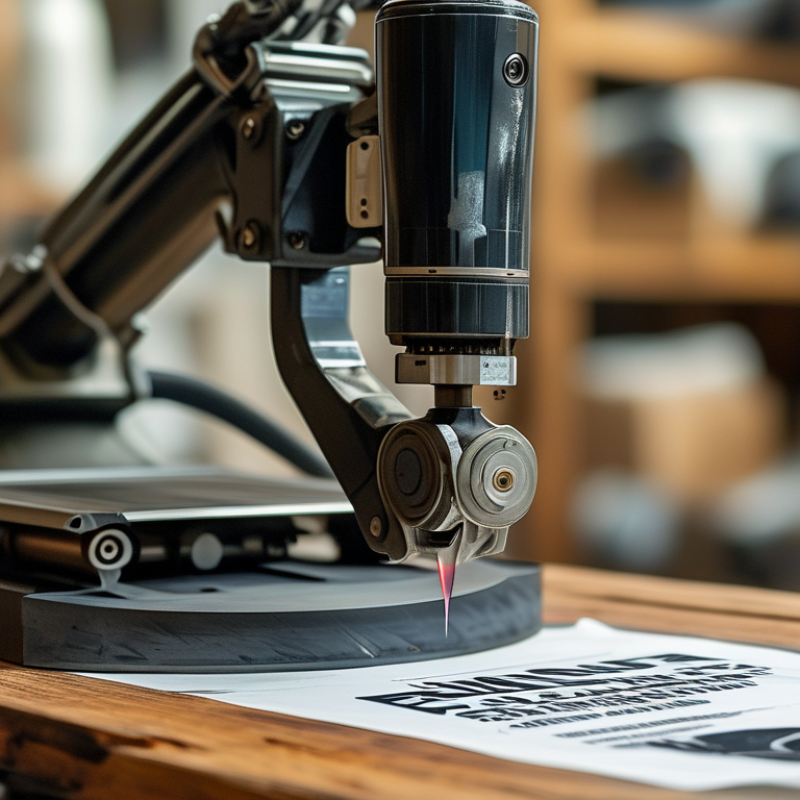
Overview of Hot Foil Printing Technology in 2026
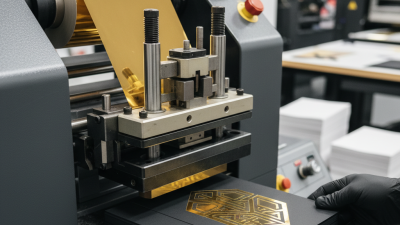
Hot foil printing technology is evolving rapidly in 2026. This method is known for its ability to create stunning and vibrant prints. The process involves applying heat and pressure to foil materials, which adhere to chosen surfaces. This year's trends show an increasing demand for more eco-friendly foils. Buyers are looking for sustainable options that reduce environmental impact while maintaining quality.
Customization is another key trend. Brands are seeking unique finishes that differentiate their products in the marketplace. Advances in technology allow for intricate designs and textures that were previously difficult to achieve. The integration of digital printing with hot foil techniques is becoming popular. This combination enhances creativity and provides greater flexibility in production runs.
Despite these advancements, challenges persist. The need for skilled operators remains crucial, as manual oversight is necessary for quality control. Some users report inconsistencies in foil adhesion and print clarity, highlighting areas for improvement. As the industry progresses, addressing these imperfections will be vital. Companies are urged to invest in training and technology to ensure better results moving forward.
2026 Top Hot Foil Printing Machine Trends for Global Buyers
| Trend |
Description |
Projected Growth (%) |
Key Features |
| Sustainability |
Increased focus on eco-friendly materials and processes. |
15% |
Use of biodegradable foils and energy-efficient machines. |
| Automation |
Integration of AI and robotics for enhanced efficiency. |
20% |
Automated setup, job management, and maintenance alerts. |
| Digital Integration |
Rise in hybrid foil printing technologies. |
25% |
Combining traditional and digital printing methods. |
| Personalization |
Growing demand for customizable print solutions. |
30% |
Short runs and bespoke designs for individual clients. |
| Speed & Efficiency |
Increased production speeds and reduced downtime. |
18% |
Faster warm-up times and quick-change setups. |
Emerging Trends in Hot Foil Printing Machines for Global Markets
Hot foil printing has gained significant traction in various industries, and its evolution is noteworthy. Emerging trends focus on automation and efficiency. Machines today incorporate advanced technology, enhancing speed without sacrificing quality. This shift allows businesses to meet increasing demand for customized products.
Sustainability is another crucial aspect shaping the market. Manufacturers are opting for eco-friendly materials. This transition not only reduces waste but also attracts environmentally conscious buyers. The integration of digital processes with traditional techniques offers versatility. As a result, producers can create more intricate designs with less effort.
Despite these advancements, challenges persist. Not all manufacturers prioritize user training. This gap can lead to inefficiencies in production. Maintenance and repair of machines are also critical issues. As technology evolves, staying updated becomes essential. Investing in proper support and training can foster better user experiences, enhancing the overall effectiveness of hot foil printing.
Key Features Buyers Should Look for in 2026 Foil Printing Equipment
When exploring the latest trends in foil printing machines for 2026, buyers should focus on essential features that enhance productivity. One key feature is automatic setup capabilities. This reduces manual intervention, saving time and minimizing errors. Look for machines that support high-speed production without compromising quality. Efficiency becomes crucial as demand increases.
An important aspect is the ability to handle various substrates. Buyers should seek machines that allow versatility in printing on different surfaces. This flexibility is essential for adapting to changing market needs. Additionally, advanced temperature control systems can ensure consistent foil adherence, enhancing the final product's quality.
Don't overlook maintenance features. Machines that offer easy access for cleaning and part replacement can extend their lifespan. Also, consider the machine's software capabilities for integration with existing workflows. However, be aware of the learning curve associated with new technologies. Investing time in training staff is vital for maximizing the machine's potential.
Sustainability and Eco-friendliness in Modern Foil Printing Solutions
Sustainability is increasingly influencing the foil printing industry. Many companies are shifting to eco-friendly practices. This includes using biodegradable materials and non-toxic inks. The aim is to reduce environmental impact and promote responsible manufacturing.
Modern foil printing solutions often employ recyclable substrates. These materials can be reused and repurposed, helping to minimize waste. Such choices are not only beneficial for the planet but also appealing to consumers who value sustainability. However, the challenge lies in balancing quality and eco-friendliness.
New technologies are emerging, yet implementation can be complex. Manufacturers must assess their processes carefully. Eco-friendly solutions may sometimes require more investment and effort. Adopting these technologies can be daunting. Nonetheless, the industry must reflect on these aspects and strive for greener alternatives.
2026 Top Hot Foil Printing Machine Trends for Global Buyers
This chart illustrates the emerging trends in foil printing technologies for 2026, focusing on sustainability and eco-friendliness, user demand, and market growth rates.
Comparative Analysis of Leading Hot Foil Printing Machine Brands
The landscape of hot foil printing is evolving rapidly, with diverse brands showcasing innovative technologies. Recent industry reports indicate that the global hot foil printing market has witnessed growth rates of approximately 5% annually. This trend is significant for print service providers and manufacturers seeking efficiency and quality. Comparative analyses of leading brands reveal varying strengths in technology and application versatility. Notably, some brands excel in speed and automation, while others focus on intricate design capabilities.
A detailed examination of the market shows that certain brands achieve higher customer satisfaction due to their user-friendly interfaces and robust after-sales support. According to a survey conducted in 2023, more than 70% of buyers prioritize operational ease and reliability over initial costs. This preference highlights a shift in purchasing behavior. Brands offering consistent performance often build loyalty, yet some struggle with standardization, raising questions about long-term sustainability.
Innovations in foil types and application techniques have created gaps in product offerings. Some brands invest heavily in R&D but fail to communicate new capabilities effectively. Buyers often express confusion about features. This lack of clarity can lead to misinformed decisions. Users benefit most from transparent information, implementation guides, and practical case studies. As the market continues to grow, the need for reliable resources becomes more critical, shaping the way buyers engage with emerging trends.