Choosing the best Hot Stamping manufacturers in China depends on the product, process, and production requirements. The term can describe hot metal forming or decorative foil transfer, and these are different specialties. This guide helps buyers compare suppliers within the right category rather than rely on broad claims or polished factory photos. There is no single best choice for every project.
A careful review should examine equipment, tooling experience, material options, quality checks, sample results, and production capacity. Ask how the manufacturer controls temperature, pressure, cycle time, and dimensional consistency where those factors apply. For foil work, check registration accuracy, adhesion, finish options, and performance on your actual substrate. Request clear specifications, representative samples, and a written explanation of inspection methods. Small details matter. A clean sample can still hide variation across a full production run.
Communication deserves attention too. Confirm who handles engineering questions, how design changes are recorded, and how lead times account for tooling and approvals. Buyers should also check relevant certifications and verify their scope directly; a certificate alone does not prove every process is reliable. Factory visits or independent inspections may provide useful evidence, though neither guarantees perfect results. Some suppliers may look strong on paper and still miss a practical requirement. That is worth admitting. The profiles ahead focus on capabilities and comparison points, helping readers build a shortlist and ask more precise questions before placing an order.
Hot stamping describes more than one manufacturing process. In metal forming, a heated steel blank is shaped in a press and rapidly cooled in a water-cooled die. The result can be a strong, lightweight component with complex contours. It is used for structural parts such as door beams, pillars, and roof rails. The process needs careful control of blank temperature, transfer time, and die cooling. Small changes matter.
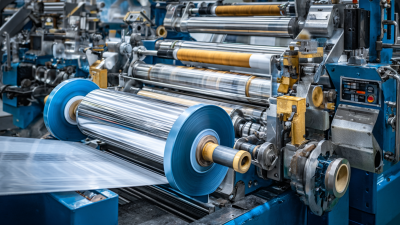
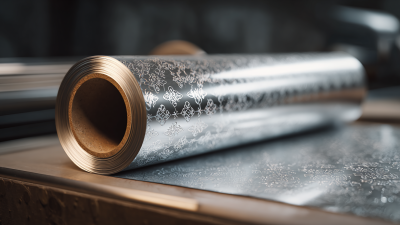
There is another meaning: foil hot stamping, which presses a heated die against foil and a surface. It adds a metallic or colored finish to labels, cartons, and product housings. These processes serve different needs, so buyers should clarify which one a manufacturer offers. Ask about material range, tooling capability, temperature monitoring, and inspection records. A practical factory review might include a sample part, dimensional checks, and a discussion of defect handling. Looks simple. It isn’t. A polished sample alone cannot show stable production quality, and even experienced teams may need trials to refine settings. That uncertainty deserves honest discussion.

Hot stamping is used to form components such as automotive safety structures and lightweight parts. The bars show representative temperatures within common processing windows: boron steel is typically heated to about 900–950°C before press hardening, while aluminum and magnesium alloys are formed at lower temperatures. Actual settings depend on the alloy, part design, and process.
Hot stamping manufacturers in China turn artwork and production requirements into repeatable impressions on paper, packaging, and selected plastic parts. The process starts with a sample review. Engineers check the surface, dimensions, foil color, and expected order volume before preparing a die. A short test run can reveal uneven pressure or tiny gaps around fine lettering.
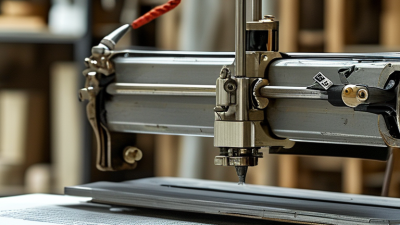
On the production floor, operators align the material beneath a heated die and apply controlled pressure for a set time. Temperature, dwell time, and pressure vary with the substrate and foil. Too much heat may blur edges; too little can leave dull patches. Operators inspect early pieces under consistent lighting, then adjust settings before a longer run. Small details matter.
Reliable factories also track batch settings, material lots, and inspection results. This helps teams investigate color shifts or adhesion problems instead of guessing later. Buyers can ask for samples, tolerances, and documented checks—not just a low unit price. Communication can still be imperfect: a sample may look excellent while a large run exposes feeding or alignment issues. A careful manufacturer treats that gap as a process problem, records the correction, and checks the next batch closely. At the packing station, staff look for scratches, foil transfer, and inconsistent placement before cartons are sealed.
Who Are the Best Hot Stamping Manufacturers in China?
Criteria for Evaluating China’s Hot Stamping Manufacturers
Choosing among China’s hot stamping manufacturers takes more than comparing quotations. Define the product first: decorative foil, stamping equipment, and formed metal parts require different expertise. A capable supplier should explain its process clearly, not just promise “high quality.” Ask for recent samples made with materials similar to yours. Details matter.
Evaluate consistency across batches. Request inspection records for dimensions, adhesion, color, surface finish, and defect rates where relevant. For foil, test transfer on your actual substrate; for metal parts, review forming trials and measurement reports. Ask how the factory controls tooling, temperature, pressure, and cycle time. These variables affect results. A polished sample alone proves little.
Assess capacity and communication with a small pilot order before scaling. Confirm lead times, packaging, change-control procedures, and how the supplier handles batches that miss specifications. If a visit is impractical, request a live video tour of production and inspection. Be cautious with unusually low prices or vague certificates. No checklist removes every risk; buyers can still overlook a weak point. Keep acceptance criteria in writing and compare suppliers under the same test conditions.
Use this evaluation framework to compare suppliers for the specific process you need, such as foil stamping on printed materials or hot stamping of metal components. The weights below are a suggested buyer-created model, not published industry rankings or scores for individual manufacturers.
| Evaluation criterion | What to assess | Evidence to request | Suggested weight | Practical evaluation check |
|---|---|---|---|---|
| Process and product fit | Experience with the required hot-stamping process, substrate, part geometry, finish, and end-use conditions. | Relevant sample parts, process description, material specifications, and examples of comparable work. | 20% | Confirm the supplier can reproduce the required result on your actual material or an agreed equivalent. |
| Quality control and consistency | Inspection methods, acceptance criteria, defect handling, and consistency between samples and production lots. | Inspection plan, sample inspection records, defect definitions, and corrective-action process. | 20% | Agree on measurable acceptance criteria and inspect a pre-production sample before placing a production order. |
| Equipment and process capability | Whether available presses, tooling, temperature and pressure controls, and related equipment suit the job. | Equipment list, process-control details, maintenance practices, and a description of the proposed production setup. | 15% | Check that the stated equipment and controls match the part size, production volume, and finish requirements. |
| Materials and traceability | Control of incoming materials and ability to trace materials or production batches when required. | Material specifications, supplier documentation where applicable, and batch or lot identification procedures. | 10% | Verify that material grades, finishes, and documentation meet the requirements in your specification. |
| Capacity and delivery planning | Available production capacity, scheduling approach, lead-time assumptions, and ability to manage order changes. | A written production schedule, capacity confirmation, and stated assumptions for sampling and repeat orders. | 10% | Compare the committed schedule with your required dates; do not assume lead times are the same across suppliers. |
| Tooling and sample development | Tool design, sample iterations, tooling ownership, maintenance, and replacement arrangements. | Tooling quotation, sample plan, ownership terms, and written maintenance or storage terms. | 10% | Clarify one-time tooling charges and who controls or can retrieve customer-funded tooling. |
| Management systems and compliance | Relevance and validity of quality or environmental certifications, plus compliance with applicable customer and product requirements. | Current certificates where applicable, scope and issuing-body details, and requested compliance documentation. | 5% | Check certificate scope and validity directly; a certificate alone does not establish product suitability. |
| Communication and total cost | Clarity of technical communication, quotation assumptions, payment terms, packaging, freight, and other relevant costs. | Itemized quotation, written specifications, named project contacts, and agreed packaging and delivery terms. | 10% | Compare like-for-like total delivered cost and confirm that technical changes are documented in writing. |
| Total suggested weighting | 100% | Adjust weights to reflect your product, industry, and purchasing priorities. | ||
Suggested scoring method: rate each criterion from 1 (insufficient evidence) to 5 (strong, verified evidence), multiply the rating by its weighting, and compare the resulting totals. Treat the score as a screening aid—not a substitute for sample approval, specification review, or supplier verification.
China’s hot stamping manufacturers often focus on distinct parts of the process. Some specialize in automotive structural components, such as door beams and reinforcements. Their strengths may include controlled heating, fast transfer to the press, and repeatable die quenching. Others concentrate on tooling and line integration, matching furnace settings, press timing, and die cooling to a specific part. That coordination matters.
Manufacturers serving appliance and electronics suppliers may handle thinner sheet, tighter surface requirements, or smaller production runs. Contract stampers can be useful when buyers need production capacity without building a dedicated line. Still, no factory is best at everything. A technically capable supplier may lack experience with a particular steel grade, part geometry, or inspection method. Ask for evidence: sample inspection reports, trial results, and clear records of dimensional checks. Small details count.
Tips: Match the manufacturer’s specialty to your part, not just its press capacity. Ask how it monitors furnace temperature, transfer time, and die cooling during production. Request a sample run using your material and drawings, then review springback and critical dimensions. If answers remain vague, pause and investigate; supplier selection is not always tidy.
Choosing a suitable hot stamping manufacturer in China requires more than comparing quotes. Start with your product: its material, surface finish, artwork, order volume, and expected use. These details affect foil selection, tooling, and production settings. Be specific.
Ask how the manufacturer controls temperature, pressure, and dwell time. Small changes can cause dull areas, uneven coverage, or foil that lifts from the surface. Request samples made with materials similar to yours. Inspect fine lines, edges, registration, and adhesion under ordinary handling. A polished sample is useful, but a repeatable production run matters more.
Check the supplier’s equipment, inspection process, and experience with comparable products. Ask for production records or clear examples of defect checks, such as foil transfer and color consistency. Confirm tooling costs, minimum order quantities, lead times, packaging, and how revisions are handled. Communication is practical evidence too: clear answers about tolerances are better than broad promises. If possible, review the workshop or arrange a live production check. I would not choose on price alone; a low quote can hide setup limits or extra finishing work. Even a careful review has gaps, so approve a pre-production sample before committing to a large order.