Best Industrial Printing Machines in China for 2026 Insights and Trends?
The industrial printing machine market is evolving at a rapid pace. According to a recent report by **Technavio**, the market is projected to grow by **6% from 2021 to 2026**. This growth is fueled by advancements in technology and an increase in demand for customized printing solutions.
China, as a global manufacturing powerhouse, is at the forefront of this trend. Businesses are increasingly adopting digital printing technologies. This shift enhances production efficiency and reduces waste. However, navigating this competitive landscape requires careful consideration of the right machinery. Many companies struggle to keep up with changing consumer preferences.
Investing in the best industrial printing machines is vital. Quality and cost-effectiveness remain paramount. Yet, some manufacturers may overlook maintenance, impacting performance. Understanding these dynamics is crucial. As we look ahead to 2026, choosing the right industrial printing machine could mean the difference between success and decline in a market that demands innovation.
Overview of Industrial Printing Machines in China for 2026
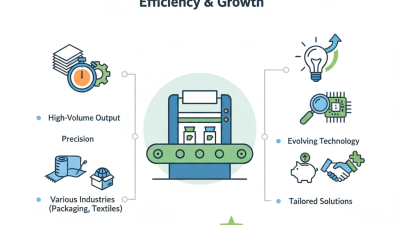
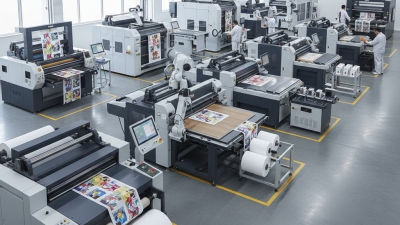
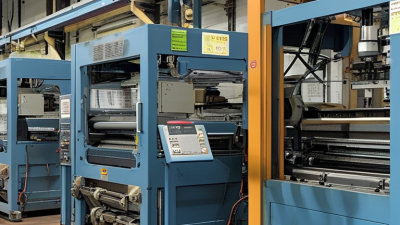
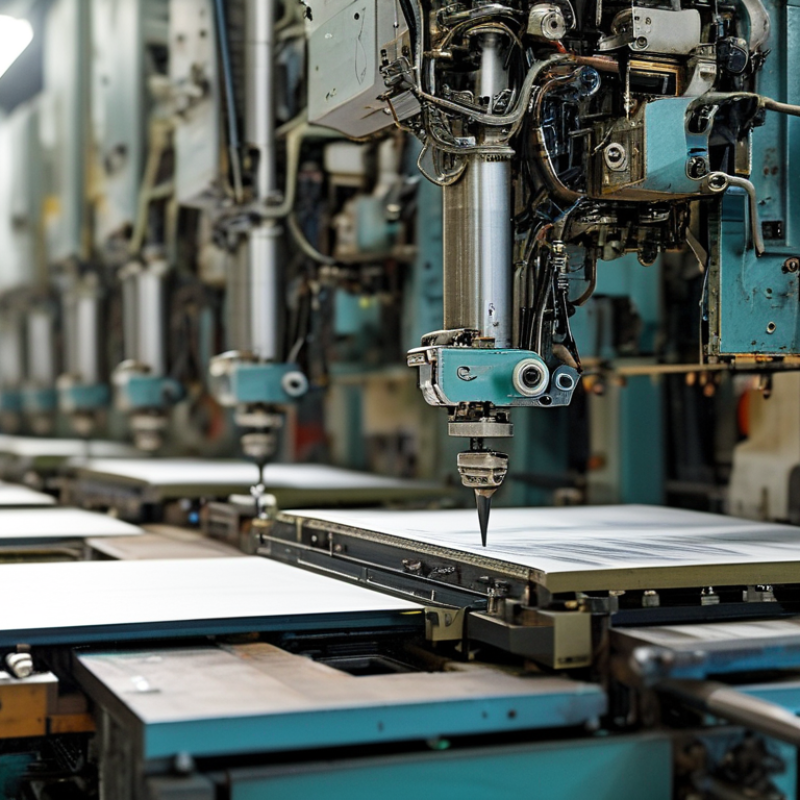
The industrial printing machine landscape in China is evolving rapidly. By 2026, advancements in technology will influence productivity and efficiency. High-quality printing demands are rising, driven by various sectors including packaging, textiles, and publishing. Businesses are seeking versatile machines that can handle multiple materials and offer exceptional precision.
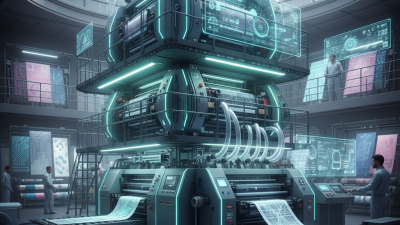
Manufacturers are integrating smart technologies into their machines. This includes automation and real-time monitoring, enhancing operational efficiency. However, with these innovative features come challenges. Adoption of new technologies requires significant investment, which may not be feasible for all companies. Additionally, training staff to use advanced equipment can be resource-intensive.
Sustainability remains a crucial focus area. As environmental concerns grow, companies are pressured to adopt eco-friendly practices. This includes using less ink and energy-efficient designs. Balancing operational efficiency with sustainability presents a challenge. Companies must navigate these complexities to remain competitive in a dynamic market. Investing in research and development will be key to overcoming these hurdles.
Key Trends in Technology Advancements for Industrial Printing
In 2026, the industrial printing landscape in China will witness significant advancements. These changes are driven by evolving technology that enhances efficiency and quality.
Automation will play a key role. Machines are expected to integrate AI for better precision. This will allow manufacturers to reduce waste and improve output.
Sustainability will be another focal point. Eco-friendly materials and processes are gaining traction. Companies are exploring biodegradable inks and recyclable substrates. While these innovations are promising, challenges remain.
Adapting existing machinery to accommodate new materials can be costly. There is also a learning curve for technicians.
Customization is on the rise. Businesses seek tailored solutions for specific production needs. Advanced printing techniques, like 3D printing and digital inkjet technology, are reshaping production lines.
However, high upfront costs and the need for skilled operators could hinder adoption. This landscape presents a mix of opportunities and challenges for industry players in China.
Market Demand and Growth Factors for Printing Machines in China
The printing machine market in China is rapidly evolving. This trend is fueled by diverse industry needs and advancements in technology. Manufacturers are increasingly looking for machines that offer flexibility and efficiency. Recent studies show a growing demand for custom printing solutions. This shift indicates a desire for quick turnaround times and unique product offerings.
Several factors are driving growth in this sector. First, the rise of e-commerce demands higher production rates. Companies seek machines that can handle various materials. Sustainability is another key consideration. Businesses are focusing on eco-friendly printing processes and materials. This requires machinery that minimizes waste and energy consumption.
Moreover, the competitive landscape prompts manufacturers to innovate. Many are exploring integration with digital technologies. This includes automation and AI capabilities. Companies may find themselves at a crossroads, needing to balance investment with immediate production needs. The evolution of requirements may lead to strategic shifts in manufacturing and sourcing decisions. Balancing these elements will be crucial as the market continues to expand.
Leading Manufacturers and Brands in the Chinese Printing Industry
The Chinese printing industry is evolving rapidly. Innovations in technology and manufacturing processes are reshaping the landscape. Many leading manufacturers are investing in research to enhance output quality and efficiency. This trend is vital in meeting the increasing demand for diverse printing applications.
Tips: Stay updated with industry reports. Research trends in digital printing technologies. Attend trade shows for hands-on experience.
Some companies struggle with balancing costs and quality. This creates a challenge when trying to compete globally. Maintaining competitive pricing without compromising excellence can be tough. Brands must adopt sustainable practices to stay relevant.
Tips: Evaluate suppliers for eco-friendly materials. Implement cost-effective waste reduction strategies. Regularly review production processes for improvements.
With competition intensifying, manufacturers need to innovate consistently. Keeping up with customer preferences is essential. Listening to feedback can lead to significant improvements in product offerings. The industry's future hinges on adaptability and forward-thinking strategies.
Sustainability Practices in Industrial Printing Processes in 2026
The shift towards sustainability in industrial printing processes is becoming more critical in 2026. Research shows that 70% of industry leaders are prioritizing eco-friendly practices. This focus includes reducing waste, utilizing renewable materials, and adopting energy-efficient technologies. Notably, nearly 55% of companies are incorporating recycling programs for printing materials. Implementing these initiatives not only lowers costs but also strengthens brand reputation in an eco-conscious market.
Periodic assessments reveal that water-based inks are gaining traction, with a reported 40% increase in usage among manufacturers. These inks significantly reduce harmful emissions. Furthermore, advancements in equipment technology allow for better energy management. Some machines now feature 30% less energy consumption, addressing environmental concerns while maintaining print quality. However, the transition to sustainable practices is not without challenges. Many companies still struggle with the initial investment costs and the learning curve associated with new technologies.
Moreover, consumer demand for sustainable products is rising. A recent survey indicated that 65% of buyers would choose brands with a strong commitment to sustainability. However, the industry must also address production efficiency. Balancing eco-friendly practices with high output demands can complicate operations. Continuous innovation and collaboration within the sector are essential to overcome these obstacles. The path forward requires dedication and transparency in every step of the printing process.
Best Industrial Printing Machines in China for 2026 Insights and Trends
| Printing Technology |
Sustainability Features |
Market Share (%) |
Projected Growth (2023-2026) |
Key Trends |
| Digital Printing |
Water-based Inks, Energy-efficient Systems |
32% |
15% |
Customization, Eco-friendly Materials |
| Offset Printing |
Recyclable Plates, Low VOC Emissions |
28% |
10% |
Shorter Runs, Digital Integration |
| Flexographic Printing |
Bio-based Inks, Energy Recovery Systems |
25% |
12% |
Sustainable Packaging, Automation |
| Screen Printing |
Water-based Emulsions, LED Curing |
15% |
8% |
Direct-to-Object Printing, Enhanced Durability |
| 3D Printing |
Recycled Materials, Reduced Waste |
10% |
20% |
On-demand Production, Customization |