Why is Hot Foil Stamping a Key Technique in Modern Print Design?
In the evolving landscape of print design, Hot Foil Stamping stands out as a crucial technique. This method enhances visual appeal through metallic finishes. According to a recent market report by Smithers Pira, the foiling industry is projected to grow significantly, reaching an estimated $2 billion by 2026. Businesses invest in Hot Foil Stamping to differentiate their products, creating a memorable user experience.
However, not every application of Hot Foil Stamping achieves the desired impact. Misalignments or subpar material choices may lead to wasted resources and unsatisfactory finishes. Designers must be mindful of these challenges while capitalizing on the unique qualities of foil stamping. The technique requires precision and creativity, demanding continuous learning and adaptation within the industry.
As brands seek innovative ways to capture consumer attention, Hot Foil Stamping remains a valuable asset. It combines artistry and technology, often leading to striking results. Yet, the process still requires careful consideration and sometimes even trial and error. Embracing both its potential and limitations will ultimately define its role in modern print design.
The Historical Context of Hot Foil Stamping in Print Design
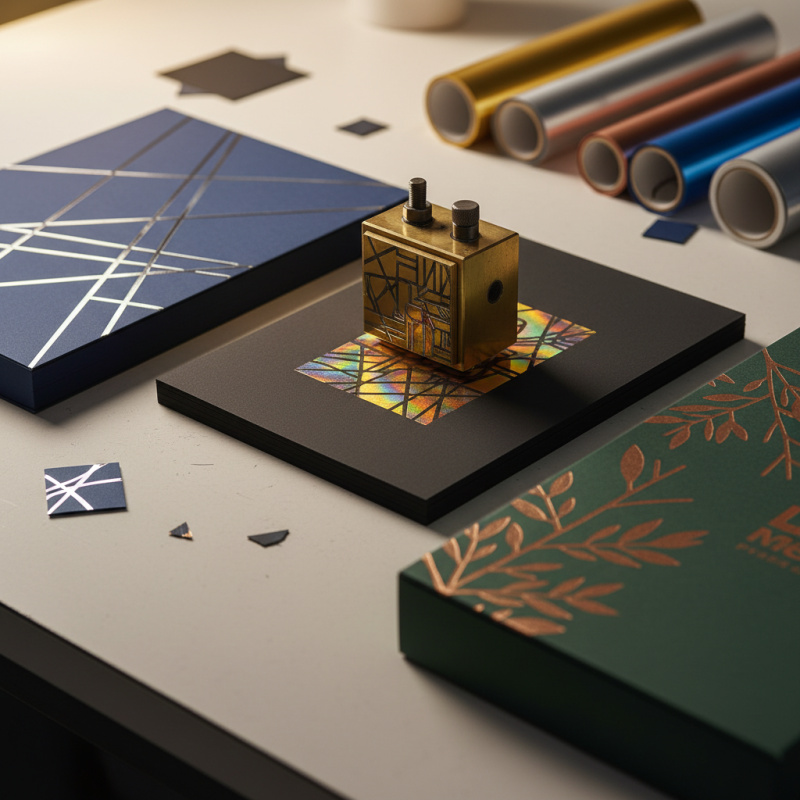
Hot foil stamping has a rich history in print design. Emerging in the 19th century, it began as a luxury printing method. It quickly became popular for its ability to produce eye-catching results. Embedded in cultural movements, it transformed the way designers approached branding. Today, about 29% of designers claim they use hot foil stamping to elevate their projects.
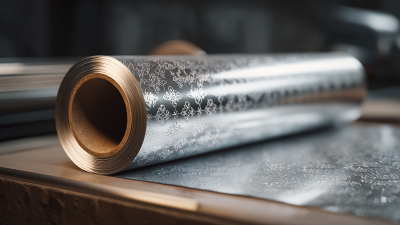
The process utilizes heat and pressure to apply metallic foil onto a substrate. This technique adds a tactile quality to printed materials. In fact, studies show that 79% of consumers are attracted to packaging with foil accents. However, while effective, the technique can be costly and time-consuming. Designers must weigh the benefits against the budget and timeline.
Some critics argue that hot foil stamping can feel outdated. It may not resonate with today's digital audience. Yet, this art form continues to evolve. Innovations in foil types and application methods have kept it relevant. The challenge lies in balancing tradition with modern aesthetics.
Understanding the Process of Hot Foil Stamping
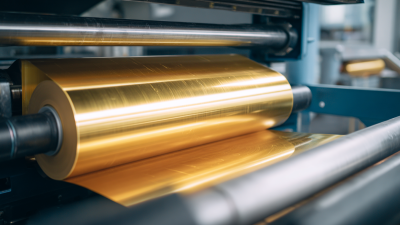
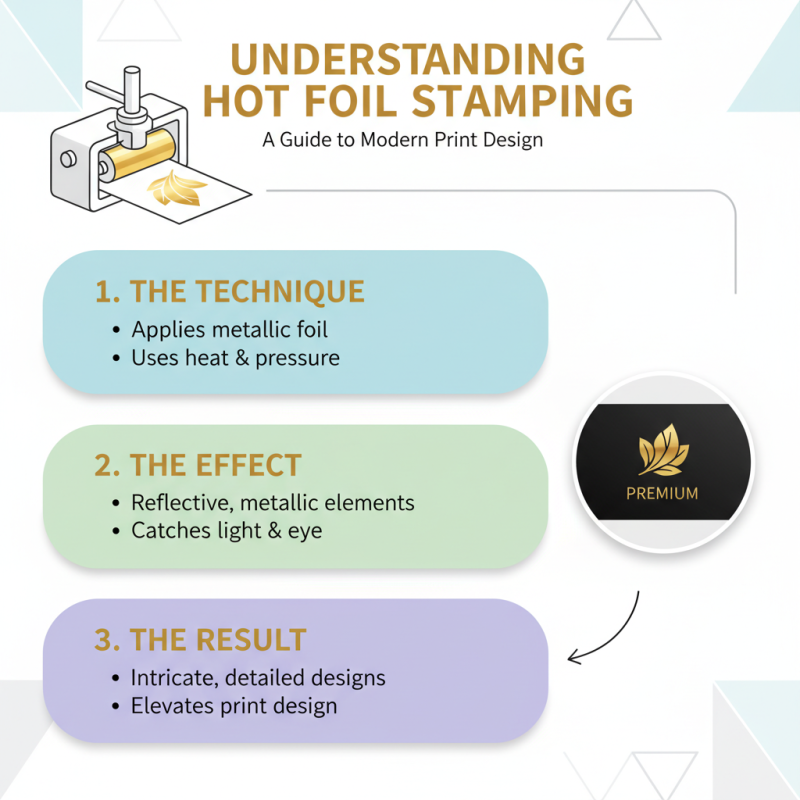
Hot foil stamping is a captivating technique in modern print design. This process involves applying a metallic foil onto a substrate using heat and pressure. It creates stunning, reflective elements that grab attention. The intricate designs and vibrant colors make any print piece stand out.
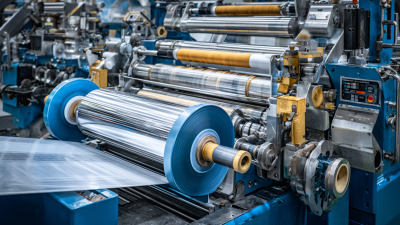
To execute hot foil stamping, a metal die is created, typically engraved with the desired design. It is heated and pressed against the foil and the substrate. The heat activates the adhesive backing of the foil, allowing it to adhere to the surface. This step requires precision. Too much heat can ruin the design, while too little may lead to insufficient adhesion. Designers must carefully balance these elements.
While hot foil stamping offers impressive results, it also presents challenges. Different materials react differently to the process. Some substrates may warp under heat, while others may not hold the foil well. Designers must understand the nuances, experimenting with various combinations to achieve the desired outcome. It’s a meticulous process that rewards creativity and precision.
Benefits of Hot Foil Stamping in Modern Print Applications
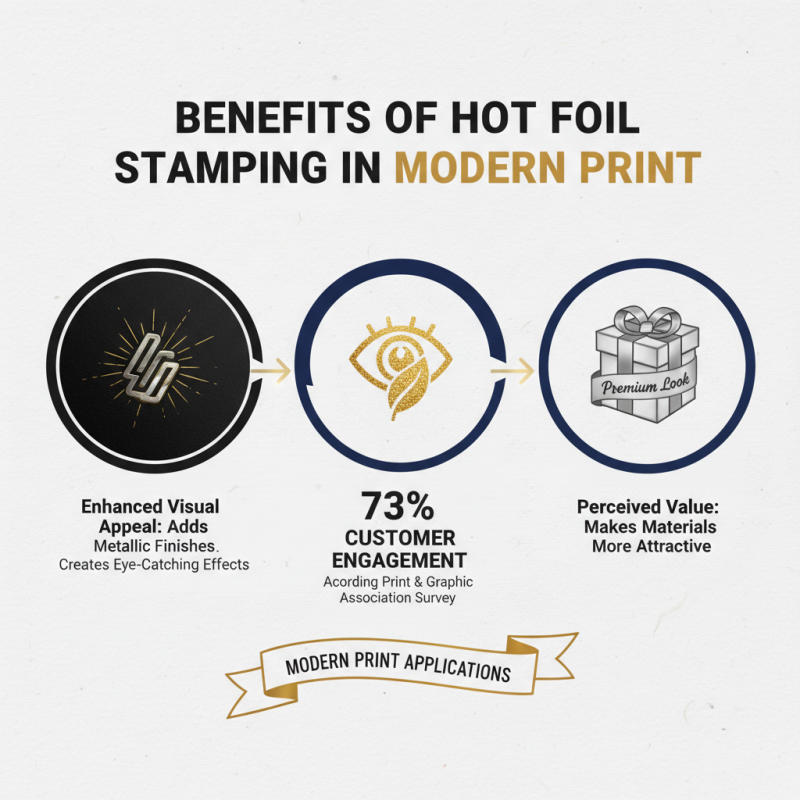
Hot foil stamping has gained traction in modern print design due to its unique ability to enhance visual appeal. This technique adds metallic finishes to printed materials, creating an eye-catching effect that grabs attention. According to a recent survey by the Print and Graphic Association, 73% of designers believe that foil stamping increases customer engagement. This statistic underlines the technique's effectiveness in making materials more attractive.
The benefits of hot foil stamping extend beyond aesthetics. It can significantly improve brand recognition and value. In a world where packaging is critical, a metallic sheen can differentiate products on crowded shelves. Research indicates that products with enhanced packaging can see a sales increase by up to 30%. Additionally, this technique can bring a tactile element to print materials, creating a memorable experience for consumers.
While hot foil stamping offers numerous advantages, some challenges persist. The cost of high-quality foils can deter smaller businesses from adopting this technology. Furthermore, the process requires precise temperature control, which can result in waste if not managed properly. Reflecting on these aspects is essential for designers to make informed decisions.
Innovative Uses of Hot Foil Stamping in Branding and Marketing
Hot foil stamping is gaining traction in modern print design. This technique adds a touch of elegance and sophistication. Its ability to create striking metallic or glossy finishes captures attention. Many brands are discovering its unique benefits for marketing.
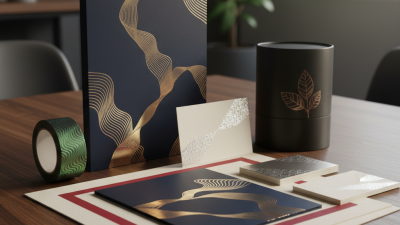
In branding, hot foil stamping enhances packaging and promotional materials. For instance, think of a beautiful invitation with shiny gold accents. Such details create an emotional connection with consumers. The tactile nature of foil stamping invites touch. It's not just a visual experience; it engages multiple senses.
However, the technique isn't without its challenges. Mastering hot foil stamping can require a learning curve. Sometimes, color matching may not be perfect. This can lead to unexpected results. Brands must carefully consider their choices to ensure consistency. Flaws can tell a story, though, making the design more relatable. Embracing these imperfections can spark creativity. Ultimately, hot foil stamping continues to redefine marketing possibilities.
Challenges and Considerations in Implementing Hot Foil Stamping Techniques
Hot foil stamping adds elegance to print designs. However, implementing this technique comes with challenges. One major consideration is the cost. Foil and setup can be expensive. Small runs may not justify the expense. Designers must weigh quality against budget.
Another challenge is material compatibility. Not all substrates work well with foil stamping. Choosing the wrong paper or material can lead to disappointing results. Issues like adhesion failures or poor transfer can occur. Testing is crucial to ensure a perfect finish. Designers often find that trial and error is part of the process.
Timing is also a concern. Hot foil stamping requires precise temperature control and pressure. Too much heat can ruin the material; too little may not transfer the foil correctly. Adjustments and re-evaluations can prolong the workflow. Designers may feel pressure to deliver quickly, but rushing can lead to mistakes. Each step must be meticulously planned to achieve the desired effect.