Top Benefits of Hot Foil Stamping for Your 2025 Marketing Strategies
As marketing strategies evolve in response to rapidly changing consumer preferences, businesses are constantly seeking innovative techniques to stand out in a crowded marketplace. One such technique gaining traction is Hot Foil Stamping, a printing process that adds a touch of elegance and sophistication to various marketing materials. In 2025, leveraging Hot Foil Stamping can provide companies with significant advantages, enhancing brand recognition and creating memorable experiences for their audience.
Hot Foil Stamping not only elevates the aesthetic appeal of products but also conveys a sense of quality and attention to detail. This method allows for vibrant colors and intricate designs that can transform standard print into standout pieces. By integrating Hot Foil Stamping into their marketing strategies, businesses can effectively capture consumer attention and communicate their brand's unique value proposition.
Furthermore, as sustainability becomes a priority for consumers, Hot Foil Stamping can be a viable option, as it often uses eco-friendly materials and processes. By embracing this eye-catching technique, companies can align their marketing efforts with contemporary values, making Hot Foil Stamping a powerful tool in achieving both aesthetic and strategic goals in 2025.

The Concept of Hot Foil Stamping in Modern Marketing
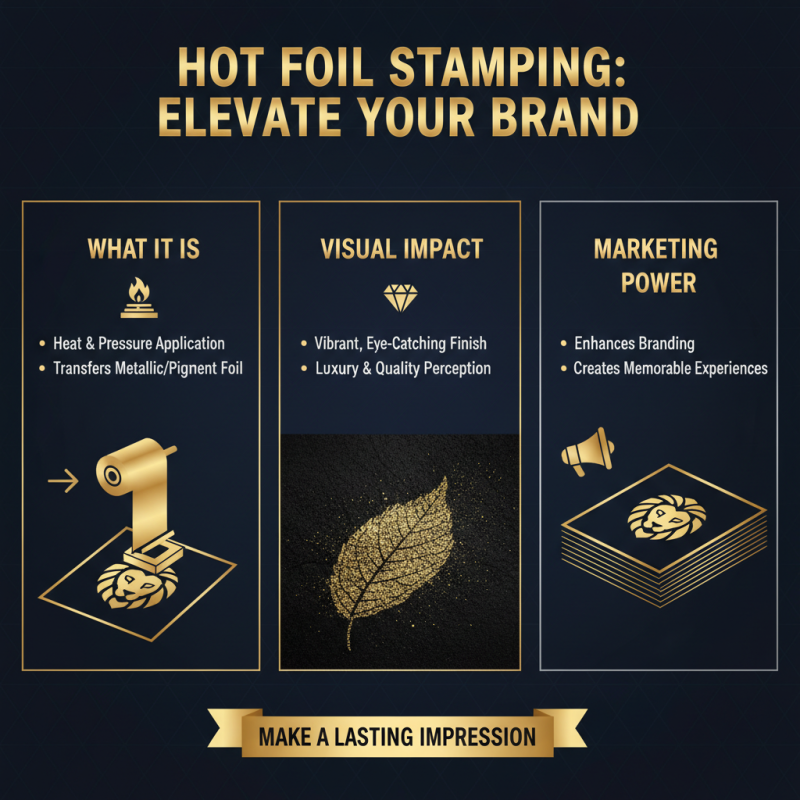
Hot foil stamping has emerged as a dynamic tool in modern marketing, offering businesses an opportunity to enhance their branding and create memorable customer experiences. This technique involves using heat and pressure to transfer metallic or pigment foil onto a substrate. The result is a vibrant, eye-catching finish that not only elevates the aesthetic appeal of products but also conveys a sense of luxury and quality. In an era where consumers are bombarded with visual information, hot foil stamping stands out, helping brands to make a lasting impression.
When integrating hot foil stamping into your marketing strategies, consider these tips to maximize its impact. First, choose colors and finishes that align with your brand identity. The right combination can evoke the desired emotional response from your audience. Second, leverage hot foil stamping on premium packaging, invitations, or promotional materials to create a tactile experience. This adds value to your offerings, making customers feel special and encouraging word-of-mouth marketing. Finally, experiment with different patterns and textures; unique designs can transform ordinary materials into distinctive brand statements that resonate with your target audience.
By understanding and utilizing the full potential of hot foil stamping, businesses can not only differentiate themselves from competitors but also forge stronger connections with consumers in 2025 and beyond.
Key Advantages of Hot Foil Stamping for Brand Visibility
Hot foil stamping has emerged as a powerful tool in the marketing arsenal for brands seeking to enhance visibility and create impactful impressions. According to a recent report by the Association for Commercial Printing, nearly 70% of consumers are more likely to remember a product that features luxurious finishes like foiling. This technique not only captivates audiences but also communicates a sense of quality and professionalism that can differentiate brands in a crowded market. The reflective surface of hot foil can enhance visual appeal, making packaging or promotional materials stand out on shelves or digital platforms.
Moreover, integrating hot foil stamping into marketing strategies can significantly influence consumer perceptions and brand loyalty. A study conducted by the Institute of Packaging Professionals revealed that products with premium finishes such as hot foil stamping can increase perceived value by up to 30%. This elevation in perceived quality often leads to improved consumer trust and a willingness to pay a premium price. As brands continue to seek innovative solutions to engage customers, the strategic use of hot foil stamping offers a compelling way to boost brand visibility and foster a memorable identity in 2025 and beyond.
Top Benefits of Hot Foil Stamping for Your 2025 Marketing Strategies
This chart illustrates the key benefits of hot foil stamping in marketing strategies for 2025, showcasing how it enhances brand visibility, engages customers, and boosts overall perceived value. Each value represents the level of impact on marketing effectiveness, with the data being a composite estimate based on industry insights.
Enhancing Customer Engagement through Foil Stamping Techniques
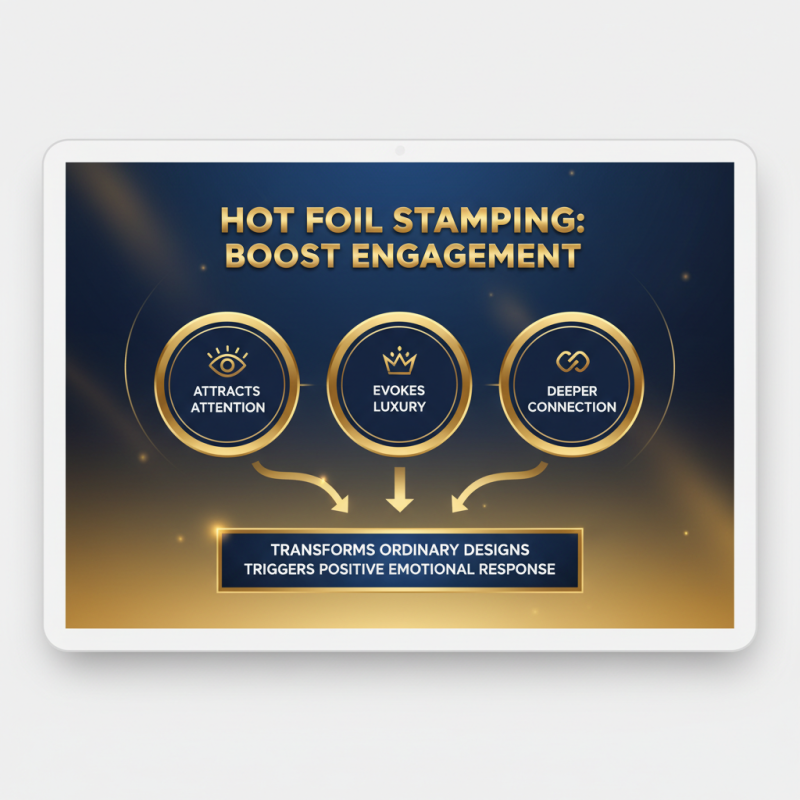
Hot foil stamping has emerged as a dynamic technique that significantly enhances customer engagement. By incorporating metallic foils onto printed materials, businesses can create striking visuals that attract attention and evoke a sense of luxury. This method not only transforms ordinary designs into extraordinary pieces but also triggers emotional responses from customers. When consumers encounter packaging or promotional materials that gleam with foil accents, they are more likely to form a positive association with the brand, ultimately fostering a deeper connection.
Moreover, foil stamping adds a tactile dimension to marketing materials. The combination of visual appeal and a distinct texture encourages customers to interact physically with the product. This engagement can lead to longer-lasting impressions as customers feel compelled to touch and explore the unique surface of the printing. In a crowded marketplace, this sensory experience can set a brand apart, encouraging customers to choose their products over competitors. By integrating foil stamping into marketing strategies, businesses can elevate their brand messages while effectively capturing and maintaining customer interest.
Comparative Analysis: Hot Foil Stamping vs. Traditional Printing
In the competitive landscape of marketing, businesses are increasingly reevaluating their printing techniques to stand out. A detailed comparative analysis reveals that hot foil stamping offers unique advantages over traditional printing methods. According to a 2023 report by the Printing Industries of America, hot foil stamping can enhance brand perception by creating a luxurious and tactile experience, with 78% of consumers reporting that such embellishments make products feel high-end and more appealing. This engagement results in a 40% increase in consumer recall rates compared to traditional printing.
Moreover, hot foil stamping allows for greater versatility and creativity in design. Unlike traditional printing, which can be limited in terms of colors and finishes, hot foil stamping supports a wide range of metallics and special effects, enabling brands to create eye-catching visuals that captivate audiences. A study published in the Journal of Marketing in 2023 highlighted that packaging with foiling elements saw a significant 35% increase in sales over their non-foiled counterparts.
This stark contrast emphasizes the role of modern printing techniques in shaping effective marketing strategies for 2025 and beyond. Consequently, integrating hot foil stamping into marketing campaigns is not just a trend; it is an investment in enhancing brand visibility and consumer engagement.
Future Trends in Hot Foil Stamping for Marketing Strategies
In the evolving landscape of marketing, hot foil stamping stands as a potent tool, enhancing visual appeal while conveying a sense of luxury. As we look toward 2025, industry reports indicate a projected growth rate of approximately 5.2% in the hot foil stamping market, driven by consumer preference for tactile and visually dynamic print materials (Smith & Associates, 2023). This technique not only elevates brand perception but also captures consumer attention in a saturated market, making it a valuable addition to any marketing strategy.
Future trends suggest a shift towards more sustainable practices within hot foil stamping, with manufacturers increasingly adopting eco-friendly foils and processes. Reports from the Sustainable Packaging Coalition highlight that 72% of consumers are more likely to engage with a brand that demonstrates a commitment to sustainability (SPC, 2023). This trend aligns with the growing demand for ethical marketing practices and positions hot foil stamping as a creative yet responsible choice for marketers aiming to resonate with environmentally conscious consumers. As advancements continue, integrating technology such as digital foiling is also expected to save costs and enhance design flexibility, enabling brands to push boundaries in their marketing efforts while ensuring a distinctive, high-quality finish.
Top Benefits of Hot Foil Stamping for Your 2025 Marketing Strategies
| Benefit |
Description |
Impact on Marketing |
| Visual Appeal |
Creates striking designs with metallic and glossy finishes. |
Increases customer engagement and attracts attention. |
| Brand Differentiation |
Helps to create a unique brand identity. |
Sets your products apart in a competitive market. |
| Enhanced Perceived Value |
Gives a premium feel to products. |
Encourages higher pricing strategies and increases profitability. |
| Durability |
Offers a robust and weather-resistant finish. |
Improves shelf life and consumer satisfaction. |
| Customization Options |
Allows for personalized designs tailored to target audiences. |
Enhances connection with customers through tailored experiences. |