What is Hot Foil Stamping and How Does It Work?
Hot Foil Stamping is a sought-after printing technique that adds a luxurious touch to various products. According to a report by Smithers Pira, the global market for hot foil stamping is projected to reach $3.4 billion by 2026. This rapid growth highlights its increasing relevance in branding and packaging.
Industry expert John Peterson notes, "Hot Foil Stamping elevates print quality, giving products an eye-catching edge." His insights reflect how this process enhances visual appeal and fosters stronger consumer connections. However, achieving perfection in hot foil stamping requires precision and expertise, as even minor misalignments can lead to disappointing results.
The intricacies of Hot Foil Stamping lie in its demands for skill and environmental considerations. As sustainability becomes vital, the industry faces pressure to innovate. Striking the right balance between quality and eco-friendliness remains a challenge. This drive for excellence amidst scrutiny shapes its future trajectory.
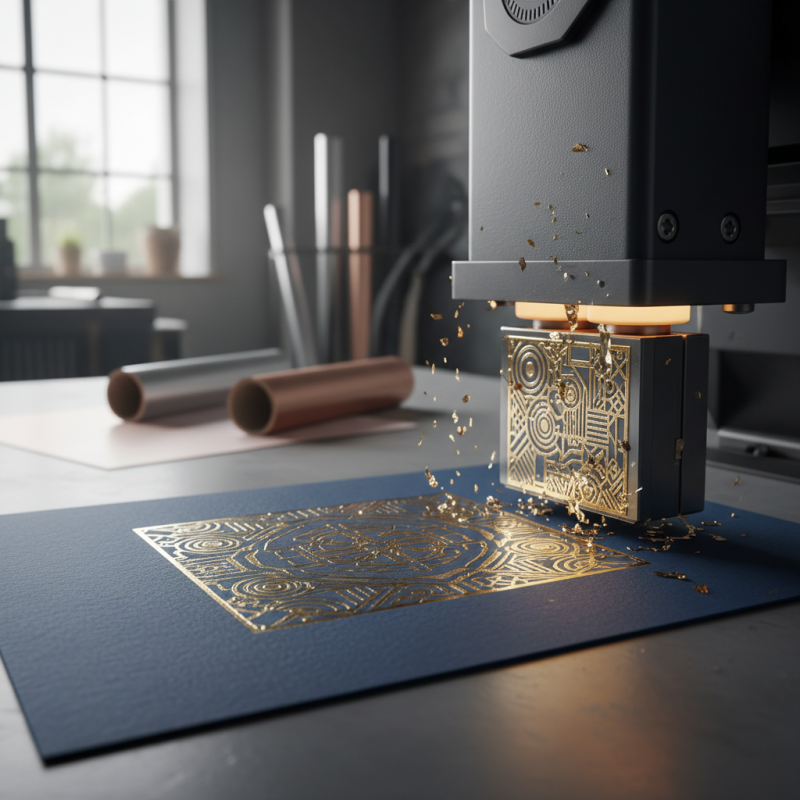
What is Hot Foil Stamping?
Hot foil stamping is a fascinating printing technique that enhances the visual appeal of various products. This process involves applying a metallic or pigment foil to a surface using a heat and pressure combination. As the heat activates the adhesive on the foil, it bonds to the substrate material. The result is a shiny, vibrant design that stands out prominently.
The global hot foil stamping market is steadily growing. According to industry reports, it is projected to reach $2.5 billion by 2025, reflecting a CAGR of 4.9%. This growth highlights the increasing demand for aesthetically pleasing packaging and branding solutions across various sectors. Despite its advantages, hot foil stamping can present challenges. Precision in temperature control is vital; too much heat or pressure can damage the substrate, leading to production waste. Additionally, the initial setup cost can be high, which may deter small businesses.
Marketers value hot foil stamping for its ability to create tactile sensations and enhance brand recognition. Studies indicate that consumers are more likely to notice products with unique finishes. This trend showcases the importance of high-quality aesthetics in a competitive market. Balancing cost-effectiveness and visual appeal is critical for companies to thrive. Crafting eye-catching designs can attract attention, but businesses must weigh the investment carefully.
The History and Evolution of Hot Foil Stamping
Hot foil stamping has a rich history that dates back several centuries. Initially developed in ancient Egypt, artisans used gold leaf to embellish sacred texts. This method reflected wealth and power, making it exclusive to the elite. As printing technology progressed, hot foil stamping evolved. In the 19th century, it became more accessible with the advent of mechanical presses. This innovation allowed for greater precision and creativity in designs.
The technique saw a significant transformation in the 20th century. Advances in technology introduced new materials and adhesives, which further enhanced the process. Today, hot foil stamping can produce stunning effects on various materials, such as paper, leather, and plastics. It offers vibrant colors and intricate designs, appealing to modern consumers. However, this complexity can also pose challenges. Maintaining consistency and quality requires skilled operators and careful equipment adjustments. It is an art form that marries craftsmanship with technology, but it is not without its difficulties. The evolving nature of hot foil stamping continues to inspire designers while demanding continuous learning and adaptation.
What is Hot Foil Stamping and How Does It Work? - The History and Evolution of Hot Foil Stamping
| Aspect |
Details |
| Definition |
A printing process that uses heat and pressure to transfer foil onto a substrate. |
| Materials Used |
Foil, heat plates, and various substrates such as paper or cardboard. |
| Common Applications |
Luxury packaging, greeting cards, invitations, and labels. |
| Historical Origins |
Originated in the late 19th century as a way to add decorative elements to printed materials. |
| Evolution Over Time |
Evolved from manual processes to advanced automated techniques using digital technology. |
| Benefits |
Adds aesthetic value, enhances brand visibility, and provides a tactile experience. |
| Future Trends |
Integration with digital printing, environmentally friendly materials, and customization options. |
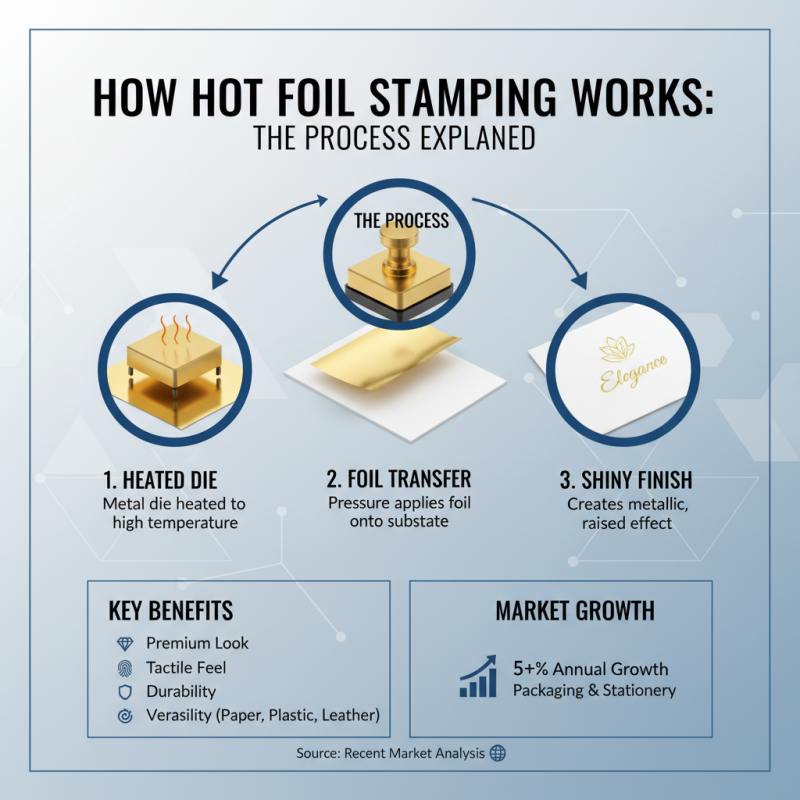
How Hot Foil Stamping Works: The Process Explained
Hot foil stamping is a fascinating printing method that adds elegance and appeal to various materials. It's particularly popular in the packaging and stationery sectors. The process begins with a metal die, which is heated and then pressed onto a foil material. This action transfers the foil onto the substrate, creating a shiny, metallic finish that stands out. According to a recent market analysis, the global hot stamping foil market is projected to grow by over 5% annually.
The efficiency of hot foil stamping lies in its speed and precision. It can cover large areas quickly, making it cost-effective for bulk production. A report by Smithers Pira indicates that the process requires minimal manual intervention, leading to consistent results. However, some challenges exist. Foil adhesion can vary based on substrate types, leading to potential quality issues. Maintaining the temperature and pressure settings is crucial for optimal results.
Despite its effectiveness, hot foil stamping does have limitations. It is not suitable for all designs, especially intricate details. There may be instances where the foil does not adhere correctly, requiring adjustments. Quality control throughout the process is essential. Still, when executed properly, hot foil stamping enhances the visual appeal and adds a touch of luxury to products.
Applications of Hot Foil Stamping in Various Industries
Hot foil stamping is increasingly popular across various industries. Its ability to create stunning visuals attracts businesses looking for high-quality finishes. The packaging industry, for instance, uses this technique to add elegance to products. According to a recent report by Smithers Pira, the global market for foil stamping is expected to grow at a CAGR of 4.5% through 2025.
In the cosmetics sector, hot foil stamping embellishes labels with metallic finishes, enhancing brand appeal. The craft beer industry also utilizes this method to stand out on crowded shelves. It’s not just about aesthetics; foil stamping improves brand recall. However, businesses must consider the environmental impact. Many foils can affect recyclability, prompting a shift towards sustainable materials.
Tips: Balance aesthetics with sustainability. Consider how foil choices may impact the entire lifecycle of your packaging. Always test samples to ensure optimal results. A meticulous approach can yield impressive outcomes but requires careful planning and resources. Reflect on your choices; are they truly adding value?
Applications of Hot Foil Stamping in Various Industries
This chart illustrates the application of hot foil stamping across various industries, highlighting the percentage usage in packaging, publishing, branding, and textiles.
Benefits of Using Hot Foil Stamping in Print Design
Hot foil stamping is a unique printing technique that adds elegance and sophistication to print designs. This method employs heat and pressure to transfer metallic or pigmented foil onto a substrate. The outcome is a stunning, eye-catching finish that enhances the visual appeal of business cards, invitations, and packaging.
One significant benefit of hot foil stamping is its ability to create a tactile experience. The raised texture of the foil can attract attention, inviting recipients to touch and explore the printed piece. This sensory element can leave a lasting impression. Additionally, the contrast between the shiny foil and the matte background can elevate the design, making it stand out in a crowded market.
However, the process does have its drawbacks. Foil colors may not always match the intended design exactly. Printing on certain materials can be tricky; not all surfaces accept foil equally. These challenges often require careful selection of both foil and substrate. Design considerations also come into play, as too much foil can overwhelm a design. Balancing these factors is essential for achieving the desired impact while maintaining aesthetic integrity.