What is Foil Stamping and How Does it Work?
Foil Stamping is a vibrant printing technique that brings designs to life. It adds a shiny, metallic finish to printed materials. This unique process involves using heat and pressure to transfer foil onto a surface. The result is striking and eye-catching.
Many businesses use Foil Stamping for branding. Imagine holding a business card that gleams in the light. It creates an immediate impact. Yet, not everyone fully understands how it works. Some may see it as just a flashy trend. However, the artistry behind it is essential to effective design.
The Foil Stamping process can be complex. It requires precision and skill. Many factors influence the outcome, such as foil type and paper quality. Designers must thoughtfully consider these elements to avoid mistakes. In the end, Foil Stamping offers a unique touch that can elevate any project, but it also presents challenges that merit reflection.
What is Foil Stamping?
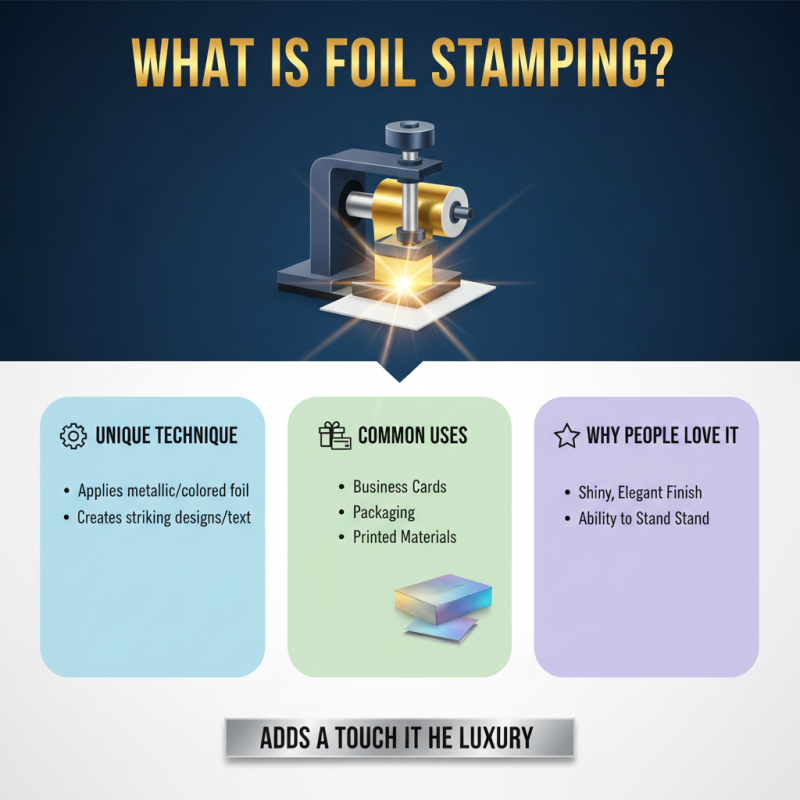
Foil stamping is a unique printing technique. It applies metallic or colored foil onto a surface. This process creates eye-catching designs and text. It’s often used on business cards, packaging, and printed materials. The shiny finish adds a touch of elegance. Many people love it for its ability to stand out.
The process itself involves heat and pressure. A metal die is heated and pressed onto the foil. This transfers the foil onto the desired material. Paper, leather, and plastic can be used. However, not all surfaces are suitable. The foil may not adhere well to some textures or finishes. It can be a trial-and-error experience.
Design choices are crucial in foil stamping. Simple and bold designs often yield the best effects. Intricate details may get lost in the shine. Color contrast is also important. A dark background with a metallic foil often creates a striking image. Keep in mind that too much foil can overwhelm the design. Balance is key. The beauty of foil stamping lies in its details and careful execution.
History and Evolution of Foil Stamping
Foil stamping has a rich history that dates back centuries. It originated in ancient civilizations, where metallization was used for decorative purposes. Artisans employed gold leaf to embellish manuscripts and religious artifacts. This technique showcased the craftsmanship of the time, transforming simple objects into stunning focal points.
As technology evolved, so did foil stamping. In the 19th century, the process improved significantly with the introduction of heat and pressure methods. These advancements made it more accessible for various industries. However, early machines were bulky. It required skilled operators to achieve the desired outcome. This led to uneven results, highlighting the need for refinement in the technique.
By the late 20th century, foil stamping became a popular choice for packaging and printed materials. Brands began to embrace it for its striking visual appeal. While the process has come a long way, there are still challenges. Achieving consistency can be difficult, even with modern equipment. Reflecting on this evolution, one can see a blend of tradition and innovation that continues to inspire today’s designers.
The Foil Stamping Process Explained
Foil stamping is a popular technique in the printing industry. It adds metallic or pigmented foil to a surface, creating a stunning visual effect. The process involves using heat and pressure to bond the foil to the substrate. The result is a bright, reflective finish that draws the eye.
The foil stamping process typically includes several steps. First, a die is created based on the design. This die is heated and pressed onto the substrate, which may be paper, plastic, or other materials. Once the foil is placed between the die and the substrate, heat activates the adhesive on the foil, adhering it to the material. According to a recent industry report, the market for foil stamping is growing, driven by demand for unique designs in packaging and print.
Tips: When considering foil stamping, think about your design carefully. Simple designs often work best. Avoid overly intricate details that may not translate well. Keep in mind that cost can vary significantly based on complexity. If your budget is tight, consider limited applications of foil, focusing on key elements.
The equipment used for foil stamping can also be quite specialized. Some businesses opt for digital solutions. These newer technologies can simplify the process. However, traditional methods still hold a place in high-end applications. As with any creative process, be open to adjustments. The first print might not be perfect. Refining your approach often leads to better results.
Different Types of Foil Used in Stamping
Foil stamping is a popular printing technique that adds elegance and shine to various products. Different types of foils used in this process contribute to its unique visual effects. The most common type is metallic foil. It gives a shiny and reflective quality. Gold and silver foils are classic choices, but they can sometimes appear too flashy for some designs.
Another option is matte foil. This type creates a softer look. It adds sophistication without overwhelming the overall design. It can be more challenging to work with due to its subtle nature. Some products might not achieve the desired impact with matte finishes. Color foils are also available. They come in various hues, allowing for creative designs. However, color foils can fade easily when exposed to light.
Each type of foil serves a purpose. The choice depends on the desired effect and target audience. It's essential to consider how the foil interacts with the material underneath. Testing different combinations can lead to better results. Yet, some may overlook this step, leading to less satisfying outputs. Balancing aesthetics and practicality is vital in foil stamping.
What is Foil Stamping and How Does it Work? - Different Types of Foil Used in Stamping
| Type of Foil |
Material |
Finish |
Common Uses |
| Metallic Foil |
Aluminum |
Shiny |
Business cards, invitations |
| Matte Foil |
Polyester |
Dull |
Book covers, packaging |
| Colored Foil |
Polyethylene |
Glossy or matte |
Greeting cards, labels |
| Holographic Foil |
Polymer |
3D effect |
Luxury packaging, art prints |
| Clear Foil |
Polyester |
Transparent |
Labels, overlays |
Applications and Uses of Foil Stamping in Industries
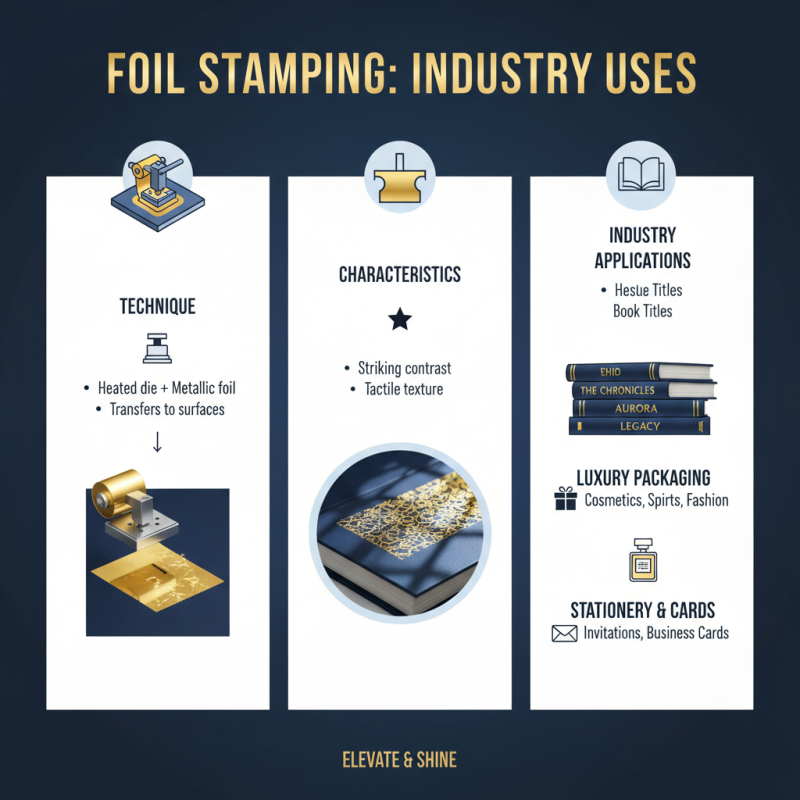
Foil stamping finds its niche in various industries, bringing a touch of elegance to products. This technique involves pressing a heated die against metallic foil, transferring it onto surfaces. It creates a striking contrast and texture that catches the eye. In the publishing world, books often feature foil-stamped titles. These glossy details enhance visual appeal, making them stand out on shelves.
In packaging, foil stamping adds value to consumer goods. Premium brands use this technique to convey quality. It elevates ordinary boxes into luxurious experiences. Foil stamped labels often adorn perfumes or gourmet food products. Yet, one must consider its environmental impact. The process can generate waste and requires energy. Without careful planning, costs can outweigh benefits.
Textiles have also embraced foil stamping. Apparel often showcases designs with foil accents for a modern look. However, the durability and washing methods can pose challenges. Foil may fade or crack, which requires further innovation. This method offers unique opportunities, but it prompts reflection on sustainability. Industries must balance aesthetics and environmental factors to make thoughtful decisions.