How to Use a Hot Foil Embossing Machine Effectively?
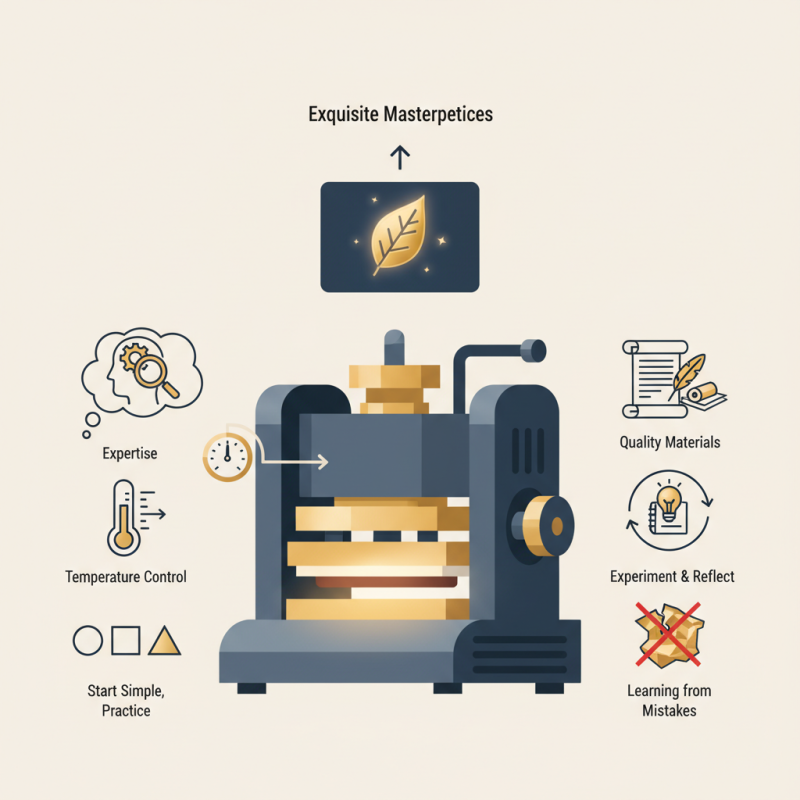
In the world of printing and crafting, mastering the Hot Foil Embossing Machine can elevate your projects significantly. Expert Sarah Thompson, a leading authority in print design, emphasizes, "The right technique can transform ordinary designs into exquisite masterpieces." Her insights highlight the importance of precision in using this versatile tool.
Using a Hot Foil Embossing Machine effectively requires practice and understanding of its components. Each machine has unique settings that can drastically change outcomes. For instance, temperature control is crucial for achieving the desired foil finish. Start with simple projects to develop your skills, then gradually tackle more complex designs. Mistakes are part of the learning process, so don't be discouraged by initial failures.
Additionally, consider the quality of materials used. Poor-quality foils can peel or produce uneven results. Always invest in reliable foils that work well with your machine. Understanding the interaction between the foil and paper helps achieve better results. Experimenting and reflecting on your progress will enhance your craftsmanship with the Hot Foil Embossing Machine, leading to continuous improvement.
Understanding the Basics of Hot Foil Embossing Machines
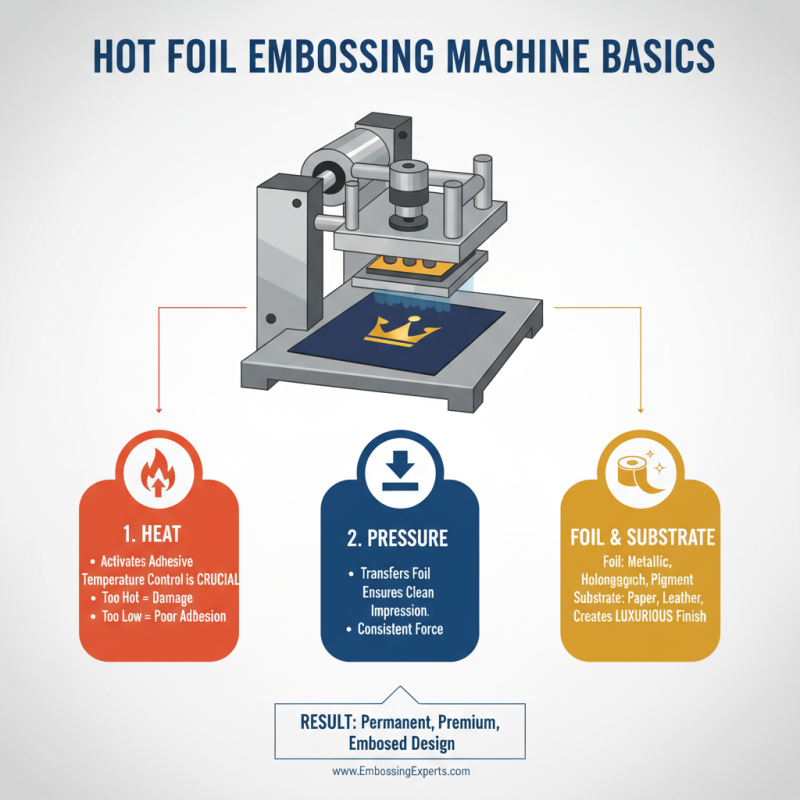
Hot foil embossing machines are fascinating tools that add luxurious finishes to various materials. Understanding how they work is crucial for effective usage. At their core, these machines utilize heat and pressure to transfer foil onto a substrate, creating a stunning embossed effect. Ensuring your machine is set to the appropriate temperature is essential. Too hot can damage your materials, while too low may result in poor adhesion.
When starting, consider practicing on scrap materials. This allows you to refine your technique without risking valuable items. Take note of the pressure applied during embossing; too much can lead to messy results. Adjust until you find the right balance.
Tips: Always keep your workspace clean. Dust can interfere with foil application. Regular maintenance of the machine, like cleaning the heat plates, extends its lifespan. If you're unsure about foil choices, consult with reliable sources. Experimentation is key, but don’t hesitate to seek advice when needed. Being open to learning from mistakes will improve your skills over time.
Selecting the Right Materials for Hot Foil Embossing
Choosing the right materials for hot foil embossing is crucial. The type of foil dictates your project's quality. Metallic foils produce stunning, reflective effects, while matte foils offer a more subtle look. Consider the finish that best fits your design.
Paper selection is equally important. Textured papers can add depth, but they also require more precision. Test different surfaces to see what works best with your chosen foil. Remember that not all combinations yield perfect results. Some foils may not adhere well to certain papers, leading to disappointments.
Experimentation is key to mastering this technique. Track your trials and their outcomes. This will help you refine your material choices over time. Embrace imperfections—they reveal areas for improvement. Ultimately, understanding your materials will enhance your hot foil embossing results significantly.
Step-by-Step Guide to Setting Up Your Hot Foil Embossing Machine
Setting up your hot foil embossing machine is crucial for achieving high-quality results. Begin by carefully reviewing the manufacturer's instructions. It's essential to do this step right. A significant number of hobbyists overlook this, leading to equipment damage or subpar results. Studies suggest that nearly 30% of amateur designers face challenges due to improper setup.
Once you're familiar with the manual, prepare the workspace. Ensure that you have all necessary materials, including foil, dies, and substrates. Proper organization prevents mistakes. Make sure your machine is on a stable, flat surface. This reduces the risk of misalignment, which can ruin a project.
Heat your machine to the recommended temperature. Too high or low temperatures can affect foil adhesion. The ideal range is often between 120°C and 150°C, but specifics can vary. Keep a thermometer handy for accuracy. As you start your first project, test on a scrap piece. This practice allows for adjustments and builds confidence. Mistakes are part of the learning curve. Understanding where it went wrong is key to improvement.
Techniques for Achieving Professional Results with Hot Foil Embossing
Hot foil embossing is an art that requires both precision and creativity. To achieve professional results, start by selecting the right foil. The thickness and color of the foil can dramatically change the final effect. Test various combinations on scrap materials to find the perfect match for your project. This experimentation may lead to unexpected results that inspire your design.
Temperature control is another crucial aspect. Too high a temperature can cause the foil to burn, while too low may not activate it. Regularly check the machine’s settings and adjust as necessary. Take notes during your testing process, as this will help in future projects. Mistakes happen, and understanding why foil adheres poorly or unevenly will build your expertise over time.
Lastly, take care to align your materials accurately. Misalignment can result in a blurred or incomplete impression. Use guides or light marks to help position the materials correctly. This attention to detail can elevate a simple design into a more polished final product. Embrace the learning curve, as mastering this technique involves practice and occasional setbacks.
Hot Foil Embossing Effectiveness Metrics
Maintenance Tips for Longevity of Your Hot Foil Embossing Machine
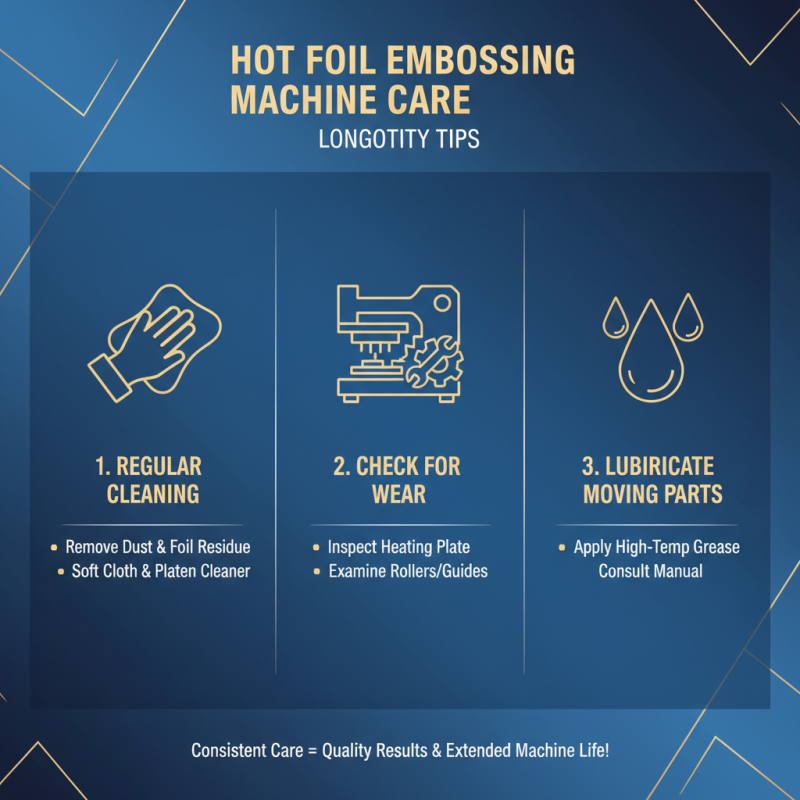
Proper maintenance of your hot foil embossing machine is essential for its longevity. Regular cleaning is a significant step. Dust and foil residues can accumulate, affecting performance. Use a soft cloth to wipe down surfaces and carefully clean the foil platen. Ignoring this can lead to uneven heat distribution and poor results.
Lubrication is another critical aspect. A well-lubricated machine runs smoothly and maintains accuracy. Check manufacturer guidelines for the right lubricants. Over time, some parts may wear out. Inspect leads and rollers for signs of damage, and replace them when necessary. This ensures consistent quality in your embossing projects.
It's also vital to store your machine properly. After use, keep it in a dry, temperature-controlled area. Extreme humidity can harm internal components, leading to costly repairs. Additionally, using the machine frequently without breaks may lead to overheating. Allow it to cool down after extensive use. Neglecting these maintenance tips could result in decreased performance and increased frustration during projects.