How to Choose the Best Hot Foil Stamping Machine for Your Needs?
Choosing the right Hot Foil Stamping Machine can be challenging. Industry expert Dr. Emily Harper states, “The right machine can elevate your projects significantly.” This highlights the importance of careful selection.
Many factors come into play when choosing a Hot Foil Stamping Machine. The machine's size, speed, and functionality can impact your overall experience. You need a machine that fits your specific needs. Consider what materials you'll be working with. Each project may require different settings or features.
Sometimes, it’s easy to overlook certain details. For example, a machine may look impressive but lack the necessary durability. Assessing user reviews can offer valuable insights. Make sure to check for reliability and expert recommendations. Ultimately, the goal is to find a machine that enhances your production quality without overspending.
Understanding Hot Foil Stamping: Benefits and Applications
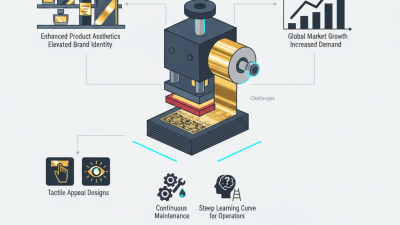
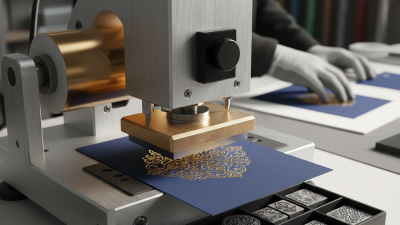
Hot foil stamping is a versatile printing technique widely used in various applications. It enhances the visual appeal of printed products with metallic and colored foils. This method is popular in the packaging, stationery, and promotional industries. It provides an elegant touch to everything from business cards to luxury packaging. The shimmering finish can elevate a brand’s image and make products stand out on the shelf.
When considering hot foil stamping, it’s essential to understand its benefits. This technique offers durability since the foil adheres to the substrate, making it long-lasting. It can be applied to various surfaces, including paper, plastic, and leather. The process is often quicker than traditional printing methods, allowing for efficient production runs. The end result is a stunning finish that grabs attention.
**Tips:** Consider your project's size and requirements before investing in a hot foil stamping machine. Different machines cater to various scales, from small crafts to large-scale production. Understand the materials you'll be working with—some machines perform better on specific surfaces. Also, reflect on your budget and the potential ROI of your investment. Conducting research can prevent future regrets. Ensure you choose a machine that aligns with your business goals and output needs. Take your time evaluating options to make the best choice.
Benefits of Hot Foil Stamping
Key Features to Consider When Selecting a Hot Foil Stamping Machine
Choosing the right hot foil stamping machine can greatly impact your production quality and efficiency. When evaluating options, consider the machine's compatibility with various foil types. Different foils require specific settings to achieve optimal results. According to a recent report by Smithers Pira, nearly 35% of production issues stem from improper foil usage.
Another critical feature is the machine's heating mechanism. Consistent heat ensures even stamping. Machines with advanced heating technology can reduce warm-up time significantly. Data from the International Journal of Printed Electronics indicates that machines with better thermal control can improve output by up to 20%.
Additionally, assess the machine's footprint and operational speed. Compact models may suit small businesses, while larger setups benefit from higher throughput. It's estimated that productivity can increase by 15% with the right size machine. Evaluate your space and production goals carefully. Even minor miscalculations can lead to inefficiencies. Taking time to reflect on these details will aid in making a more informed decision.
Types of Hot Foil Stamping Machines: Comparing Options
When selecting a hot foil stamping machine, it’s crucial to understand the various types available. They can generally be categorized into manual, semi-automatic, and fully automatic machines. Manual machines are often simpler, aimed at hobbyists or small businesses. They require more hands-on involvement, which can lead to inconsistencies, particularly for large-scale projects. However, their affordability can be tempting.
Semi-automatic machines bridge the gap between manual and fully automatic options. They offer efficiency improvements while still requiring some user input. These machines can handle larger production runs but may lack the precision needed for intricate designs. On the other hand, fully automatic machines provide the greatest level of precision and efficiency. They are ideal for high-volume operations but come with a higher financial commitment. Users should carefully assess their production needs and budget constraints.
Each type has its merits and drawbacks. It’s important to reflect on your specific requirements. Consider the complexity of your designs, expected output volume, and skill level. A mismatch between machine capability and user experience can lead to frustration. Ultimately, choosing the right machine is a balance between technology, budget, and the desired quality of the final product.
Budgeting for Your Hot Foil Stamping Machine Purchase
When budgeting for a hot foil stamping machine, it’s crucial to assess your specific needs. The initial price can range significantly, often between $1,500 to $10,000, depending on the machine's capabilities. A 2022 industry report indicates that businesses often overlook maintenance costs, which can accumulate over time. Proper budgeting should also include potential repair fees and the cost of foil rolls, which vary widely based on quality and quantity.
Consider not just the upfront cost but also the value this machine will bring to your operations. A recent survey revealed that 67% of users felt their production efficiency improved significantly after investing in a reliable hot foil stamping machine.
Always remember that a lower price might lead to higher overall costs later due to inefficiency or frequent repairs. It's essential to analyze your budget holistically, ensuring it covers all aspects of your hot foil stamping needs for sustainable operations.
Maintenance Tips for Prolonging the Life of Your Stamping Machine
Hot foil stamping machines are essential for various printing applications. However, to ensure longevity, regular maintenance is crucial. Cleaning the machine after each use helps prevent debris buildup. This process can be simple, yet many overlook it. Wipe down surfaces with a soft cloth to avoid scratches. Check for any ink residue and clean the heated plate carefully.
Lubrication is another vital aspect of maintenance. Properly lubricate moving parts to reduce friction. Use recommended oils sparingly. Too much lubricant can attract dust and grime, which can lead to issues. It's essential to inspect the machine regularly for wear and tear. Addressing small problems early can prevent costly repairs later.
Temperature calibration also plays a significant role in the machine's life. If the temperature is too high, it can damage the components. Regularly monitor and adjust to recommended settings. Operators should maintain a record of usage, noting any irregularities. This practice can reveal patterns that may indicate deeper issues. Staying attentive can make a difference in performance and durability.