2026 How to Choose the Best Die Cutting Solutions?
Choosing the best die cutting solutions can be overwhelming. The market offers a wide range of options, catering to various needs. Understanding the unique characteristics of die cutting is essential for making informed decisions.
Die cutting involves precision cutting of materials for different applications. This technique is utilized in packaging, crafts, and industrial fields. Selecting the right solution depends on factors like material type, volume, and design complexity. An inexperienced choice can lead to wasted resources and time.
While there are many reliable options, some may not meet specific needs. It’s crucial to evaluate different solutions critically. This includes considering machine capabilities and user reviews. Remember, the most expensive option is not always the best choice. Reflecting on your unique requirements can guide you to the most suitable die cutting solution.
Understanding the Basics of Die Cutting Techniques
Die cutting is a versatile technique used in various industries. It allows creators to produce precise shapes from materials like paper, cardboard, and fabric. Understanding its basics is essential for anyone considering die cutting solutions. The core principle involves using a sharp die to cut through materials. This can create intricate designs or simple shapes, depending on the project needs.
Different types of die cutting techniques exist, including flatbed and rotary die cutting. Flatbed uses a stationary bed, while rotary employs a cylindrical die. Each method has its strengths and weaknesses. For example, flatbed is ideal for small runs but may be slower. Conversely, rotary is faster for larger volumes but often less flexible with design intricacies.
When choosing a die cutting technique, consider the project requirements. Reflect on the material thickness and desired complexity. Each project can teach valuable lessons about efficiency and design choices. Mistakes will happen, but they offer insights into better practices. Failing to plan can lead to wasted materials or time. Understanding these nuances is key to mastering die cutting techniques.
Evaluating Different Types of Die Cutting Machines
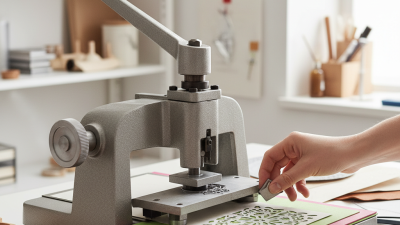
When evaluating different types of die cutting machines, it's crucial to understand their specific functionalities. Manual die cutting machines are user-friendly and suitable for beginners. They require little setup and are portable, making them ideal for small projects. On the other hand, digital die cutting machines offer advanced features. They allow for precise cuts and can handle intricate designs, but they come with a learning curve.
Tips: Consider what materials you'll work with. Different machines handle various thicknesses and types. If you plan to use heavy cardstock or fabric, ensure the machine can accommodate these materials. Research specific machine capabilities, as not all are reliable in achieving fine details.
Another important aspect is the machine's cutting speed and volume. If your projects require high output, choose a machine with faster operations. Slower machines can be frustrating during peak production times. Also, look at the support and resources available. A reliable resource can enhance your ability to troubleshoot issues and refine techniques.
2026 How to Choose the Best Die Cutting Solutions? - Evaluating Different Types of Die Cutting Machines
| Die Cutting Type |
Best for |
Materials |
Price Range |
User Level |
| Manual Die Cutting |
Small projects, Hobbyists |
Paper, Cardstock |
$50 - $150 |
Beginner |
| Electric Die Cutting |
Crafters, Small Businesses |
Vinyl, Paper, Fabric |
$200 - $400 |
Intermediate |
| Industrial Die Cutting |
Mass production |
Thick materials, Cardboard, Rubber |
$1,000 - $10,000 |
Advanced |
| Digital Die Cutting |
Custom designs, Prototyping |
Various materials, including fabric and paper |
$300 - $1,500 |
Professional |
Factors to Consider When Choosing Die Cutting Solutions
Choosing the best die cutting solution involves several critical factors. One primary aspect is the material you plan to cut. Different materials require specific blades and presses. For example, thick materials need more robust equipment. Ensure that the solution can handle the variety in thickness and texture of your chosen materials.
Another vital factor is the production volume. Consider how often you'll need to use the die cutting system. A high volume may justify a more expensive, industrial-grade solution. In contrast, occasional use might only require a simpler setup. Cost-effectiveness is essential, but don't compromise on quality.
Finally, look at the support and training that come with the die cutting solution. It is beneficial to have reliable customer service. Also, training can ensure that your team uses the equipment safely and efficiently.
Explore forums and reviews to gauge experiences from other users. This can give you a realistic view of what to expect, helping to avoid potential pitfalls in your decision.
Comparing Cost and Efficiency of Die Cutting Options
When choosing die cutting solutions, cost and efficiency play critical roles. Different methods offer varying benefits. Traditional methods, like steel rule dies, can be affordable but require significant labor. This can lead to delays and increased operational costs. On the other hand, digital die cutting is becoming popular. It’s often more efficient, with faster turnaround times and less waste.
It's essential to also consider material compatibility. Some die cutting methods work better with certain materials than others. For instance, heavy card stock may be easier to cut with traditional dies, while intricate designs may benefit from digital options. Evaluating these factors is crucial.
Always weigh the upfront costs against long-term savings. The initial investment in more efficient technology might seem high, but the reduction in material waste and labor costs can lead to overall savings. Some businesses hesitate, fearing new technology will not deliver as promised. This uncertainty may hinder progress. Trust your research, but remain open to refining your approach as needed.
2026 Die Cutting Solutions: Cost vs Efficiency
Essential Tips for Maintenance and Operation of Die Cutters
When operating die cutters, maintenance is key. Regular checks can prevent costly downtimes.
Cleaning the machinery ensures that residues do not interfere with the cutting process. Inspect blades
for wear regularly. Dull blades can ruin materials and hinder production quality.
Training operators is crucial. Ensure they understand the machine's functions and limitations.
Encourage them to report any irregularities immediately. This proactive approach can save time and resources.
Keep a maintenance log. Documenting repairs helps identify recurring issues.
Maintain a clean workspace. Clutter can lead to accidents or mistakes. Encourage operators to adhere
to safety protocols. Sometimes, you might overlook small warnings. These minor signals can lead to
bigger problems if ignored. Reflect on past mistakes to improve future practices.