Top 10 Benefits of Hot Foil Stamping for Your Business Need to Know?
Hot Foil Stamping has become a vital technique for businesses aiming to enhance their branding and packaging. According to expert Sarah Thompson, a renowned graphic designer with over a decade of experience in print technologies, "Hot Foil Stamping adds a layer of luxury that sets products apart." This process involves applying metallic or pigmented foils to various surfaces, creating eye-catching designs.
The benefits of Hot Foil Stamping extend beyond mere aesthetics. It can elevate a brand's perceived value and attract customers. Many businesses find that incorporating this technique into their marketing materials leads to improved visibility and sales. Companies using Hot Foil Stamping report a noticeable edge over competitors who rely on traditional printing methods.
However, it’s essential to consider potential challenges. Not every project suits this technique, as the costs can add up. Businesses should evaluate their specific needs and budget carefully. Nevertheless, with the right approach, Hot Foil Stamping can provide a powerful marketing tool that leaves a lasting impression.
Understanding Hot Foil Stamping: An Overview for Businesses
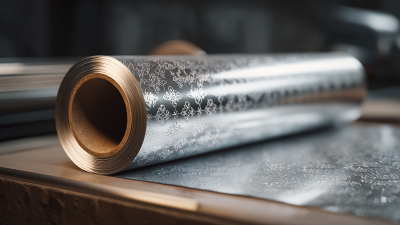
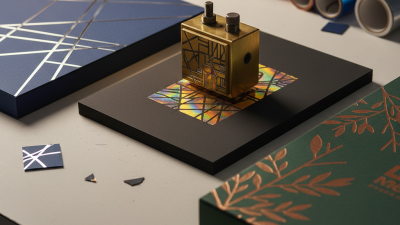
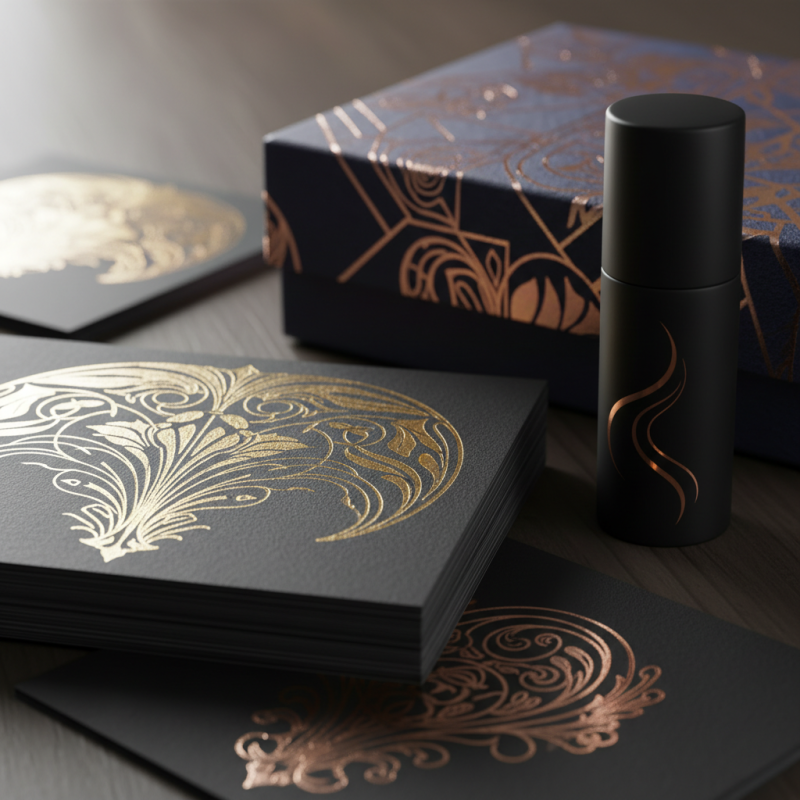
Hot foil stamping is a compelling method that enhances the branding and presentation of products. It uses heat and pressure to transfer metallic foil onto various surfaces. This technique creates a vivid, shiny finish that draws the eye. Businesses often seek to improve the visual appeal of their packaging. Hot foil stamping is a viable option that can help achieve this goal.
Understanding the process is crucial for its effective application. It is not just about aesthetics; the technique adds an element of luxury and sophistication. Imagine a luxury product with a gleaming logo standing out on the shelf. However, some businesses may overlook the initial investment required for equipment and materials. It's important to conduct thorough market research. Identifying the target audience helps in making informed decisions about using this technique.
Despite its advantages, hot foil stamping does have limitations. The process isn't suitable for all types of designs, especially intricate details. While it can enhance visibility, not every product benefits equally. Businesses should weigh the pros and cons. This careful consideration helps in optimizing production costs and maximizing brand impact.
Top 10 Benefits of Hot Foil Stamping for Your Business Need to Know
| Benefit |
Description |
| Enhanced Aesthetics |
Adds a premium feel and eye-catching appeal to products. |
| Brand Differentiation |
Helps to stand out in a crowded market with unique designs. |
| Durability |
Creates a long-lasting finish that resists wear and tear. |
| Versatility |
Can be applied to various materials including paper, plastic, and leather. |
| Increased Value |
Enhances perceived value, allowing for higher pricing strategies. |
| Quick Turnaround |
Efficient production process, leading to faster project completion. |
| Eco-Friendly Options |
Use of biodegradable foils reduces environmental impact. |
| Customization |
Easily customizable designs to meet specific branding needs. |
| Low Setup Costs |
Relatively low initial investment compared to other techniques. |
| High Impact Marketing |
Great for packaging, business cards, and promotional materials. |
Enhancing Visual Appeal: The Aesthetic Benefits of Hot Foil Stamping
Hot foil stamping is transforming how businesses communicate visually. This process enhances the aesthetic appeal of products by adding metallic or pigment foils to various surfaces. According to a report by Smithers Pira, the global market for hot stamping is expected to reach $1.3 billion by 2025, highlighting its growing importance in branding.
Incorporating hot foil stamping creates a tactile experience for customers. The contrast between the shiny foils and matte backgrounds increases visual interest. A study published by Packaging Strategies indicated that packaging with foil stamping can boost product sales by up to 20%. This technique makes products stand out on crowded shelves and can elevate a brand's perceived quality.
Moreover, integrating this method into your design can enhance consumer engagement. However, not every design benefits equally from foil stamping. Poorly chosen colors or excessive use can lead to cluttered designs. Businesses must find a balance to maintain clarity while maximizing visual impact. Finding this equilibrium may require testing and refinement, but the potential for greater customer attraction makes it worth exploring.
Boosting Brand Recognition: How Hot Foil Stamping Differentiates Products
Hot foil stamping offers a unique way to enhance brand recognition. This printing technique uses heat and pressure to apply metallic foil to various surfaces, creating an eye-catching finish. According to a study by the Specialty Graphic Imaging Association, 70% of consumers prefer products that stand out on the shelf. Brands using hot foil stamping can benefit from this preference.
Implementing hot foil stamping can significantly differentiate products. It provides a tactile and visual contrast that can draw attention. A survey by the Paper and Packaging Board found that 54% of consumers reported that packaging influences their purchases. The shiny, vibrant finishes achieved through hot foil stamping can elevate product perception and encourage buyers to choose a specific brand over competitors.
However, not all brands utilize this method effectively. Some may overdo the foil, leading to a cluttered design that confuses consumers. Simplicity is key. An overly complex design can dilute the brand message. Brands should find a balance between eye-catching foil effects and clear communication. Crafting the right impression requires both creativity and strategy. As companies explore hot foil stamping, a careful and thoughtful approach can lead to standout packaging that truly engages customers.
Cost-Effectiveness: Evaluating the Economic Advantages of Hot Foil Stamping
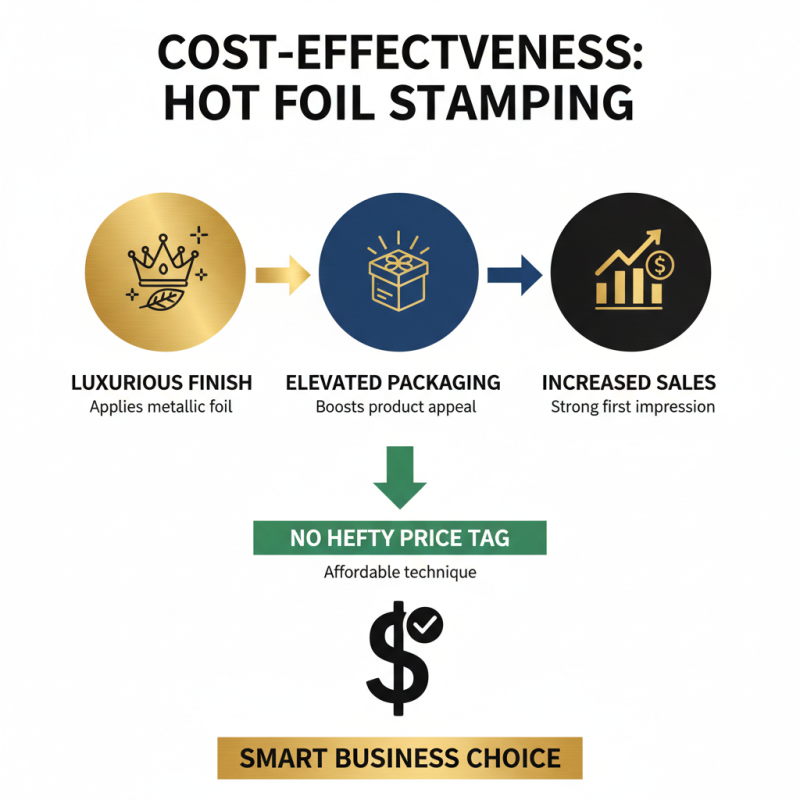
Hot foil stamping offers impressive cost-effectiveness, making it an attractive choice for businesses. The process involves applying metallic foil to various materials, giving a luxurious finish. This technique can elevate product packaging, which often leads to increased sales. A striking visual appeal can create a strong first impression without a hefty price tag.
When evaluating the economic advantages, consider initial setup costs. While the equipment can be an investment, the long-term savings become clear. Bulk production can significantly reduce unit costs, making it feasible for small to medium-sized enterprises. However, businesses must analyze their specific needs. Sometimes, the initial investment may deter those with limited budgets. Yet, success stories reveal that many businesses quickly recoup costs through enhanced product appeal.
Another factor to ponder is the durability of hot foil stamping. Foil finishes are often more resilient than standard inks, resulting in less frequent reprints. This durability translates into cost savings over time. However, it’s important to reflect on the target audience’s response to gold or silver foils. Preferences can vary, which might require adjustments in design strategies. Ultimately, careful consideration of these elements ensures that hot foil stamping is a valuable asset.
Versatility in Applications: Industries That Benefit from Hot Foil Stamping
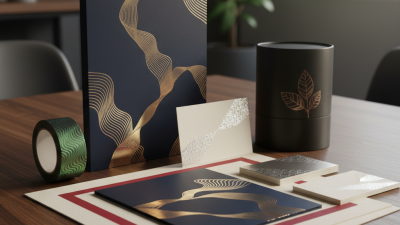
Hot foil stamping is a versatile technique used in various industries to enhance the appeal of products. Print shops, packaging companies, and luxury goods manufacturers frequently utilize this method. It creates eye-catching designs that attract customers. This method works well across different materials, including paper, leather, and fabric.
In the events industry, hot foil stamping adds elegance to invitations and programs. Companies in the cosmetics sector apply this technique to enhance product labels. It offers a touch of luxury at an affordable price. Packaging for gourmet foods also often features hot foil stamping. It creates a distinctive and premium feel, captivating consumers’ attention.
Tips: Focus on quality when selecting foil. The finish can vary significantly. Consistency plays a key role in the success of your stamping projects. Test different designs to see which ones resonate with your audience. Keep in mind that overuse may dilute the impact. A balance is essential to maintain a polished look.